
Last updated November 24, 2026
 Sweep & inspection
 Caps & crowns
 Flue relining
 Masonry repair
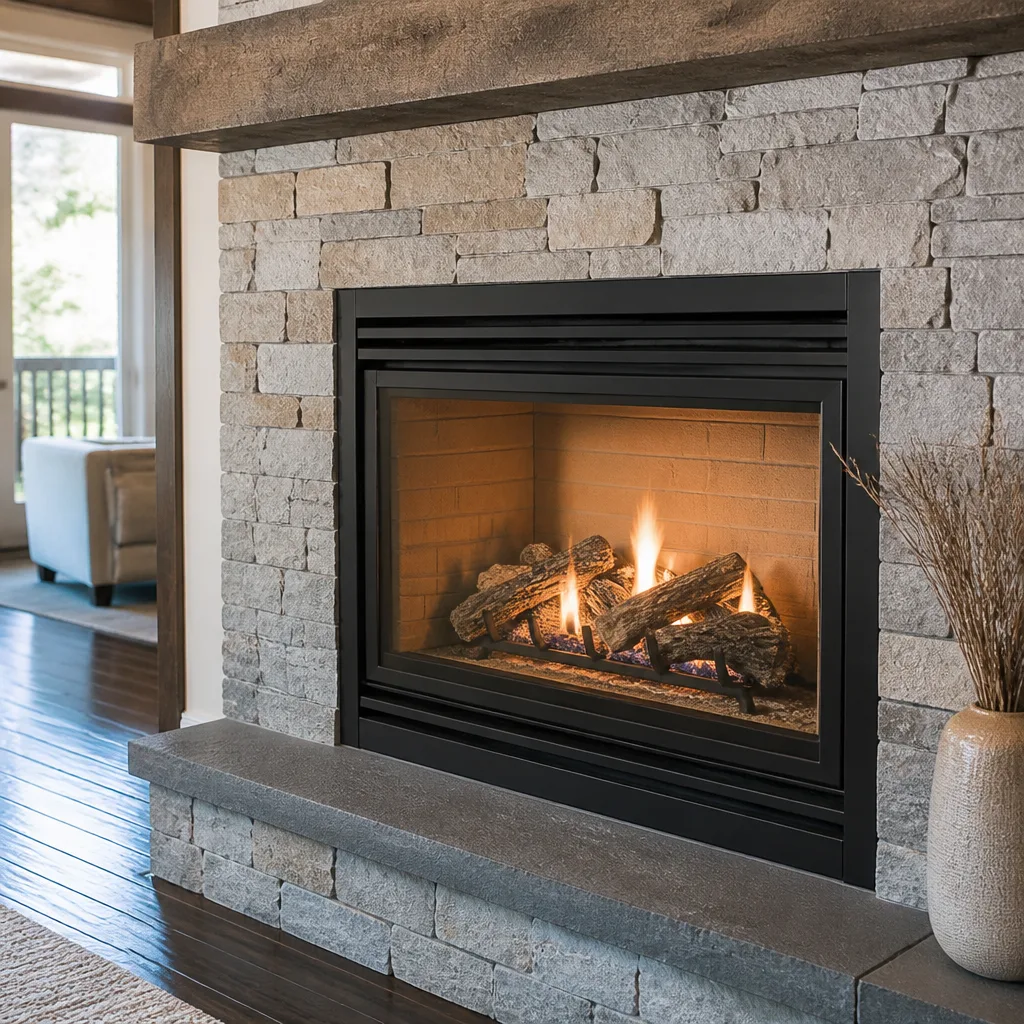 Gas fireplace service
Level 1 sweep and inspection to the NFPA 211 annual standard - flue, crown, cap, and flashing checked and photographed
Chimney sweep logs do not sweep chimneys. They loosen some creosote - which then falls where a brush and vacuum still have to collect it.
Chimney Cleaning Warning Signs: A West Anaheim Homeowner’s Reference Guide
By the time you smell smoke backing into your living room, you’ve already missed four earlier warning signs that were visible inside and outside your West Anaheim chimney for months. That’s the part of chimney maintenance nobody hands you: the visible changes that show up long before the fire risk or the carbon monoxide risk shows up. Most guides give you the two signals everyone knows about, smoke and smell, and stop there. Here we’re teaching pattern recognition instead. By the end, you’ll know what spalling masonry looks like against stucco, how to read the color and texture of creosote at the firebox opening, which damper changes point to a moisture problem in the liner or the flashing, and how to tell a cosmetic flaw from a structural one without climbing onto the roof or opening up a wall.
Quick Answer
The chimney warning signs that matter most are: white chalky bloom on the exterior masonry, a cracked crown at the top, creosote that has turned glazed and black at the firebox opening, a damper that no longer seals cleanly or rusts shut, and smoke that spills from the fireplace opening into the room instead of drafting up the flue. Any one of these is a reason to have the chimney inspected before the next fire. A sooted firebox with a clean flue and no exterior staining is often just overdue for a routine cleaning.
Styles & brands we work with
- Sweep & inspection
- Caps & crowns
- Flue relining
- Masonry repair
- Gas fireplace service
Table of Contents
- Exterior Masonry Signs That Show Up Months Early
- Reading Creosote at the Firebox Opening
- Damper Warning Signs You Can Check Yourself
- Carbon Monoxide Risk Indicators People Misread
- Cosmetic vs. Structural: How to Tell the Difference
- What a Chimney Sweep in West Anaheim Actually Does
- Why Timing Your Sweep Matters in Southern California
- When the Signs Mean It’s Time to Call
Exterior Masonry Signs That Show Up Months Early
The brickwork and stucco on the outside of a West Anaheim chimney age on a different schedule than chimneys in colder parts of the country. Our winters are mild but they’re still wet, and our summers run long and hot. That daily thermal swing, hot south-facing brick cooling off after dark and heating back up the next afternoon, works the materials in a slow cycle. The changes that cycle leaves behind are the earliest signs you’ll get.
- Spalling. Spalling is the flaking and popping-off of the outer face of brick. On a West Anaheim chimney you’ll often see it as a small cratered or powdery patch on the sun-facing side, not the whole chimney. Spalling brick is absorbing moisture and breaking it back out, and the brick behind it is usually weaker. If a patch is the size of a coffee cup or smaller it’s a monitor-and-repoint situation. If whole bricks are shedding their faces, the moisture source needs to be tracked down before the next rainy season.
- Efflorescence. That fuzzy white bloom that looks like spilled chalk or salt is mineral salt drawn out of the masonry as water evaporates. In our dry climate you’ll see it after the winter rains and often again in spring. A single bloom that brushes off is normal. A bloom that keeps returning to the same spot tells you moisture is finding the same pathway into the brick every year.
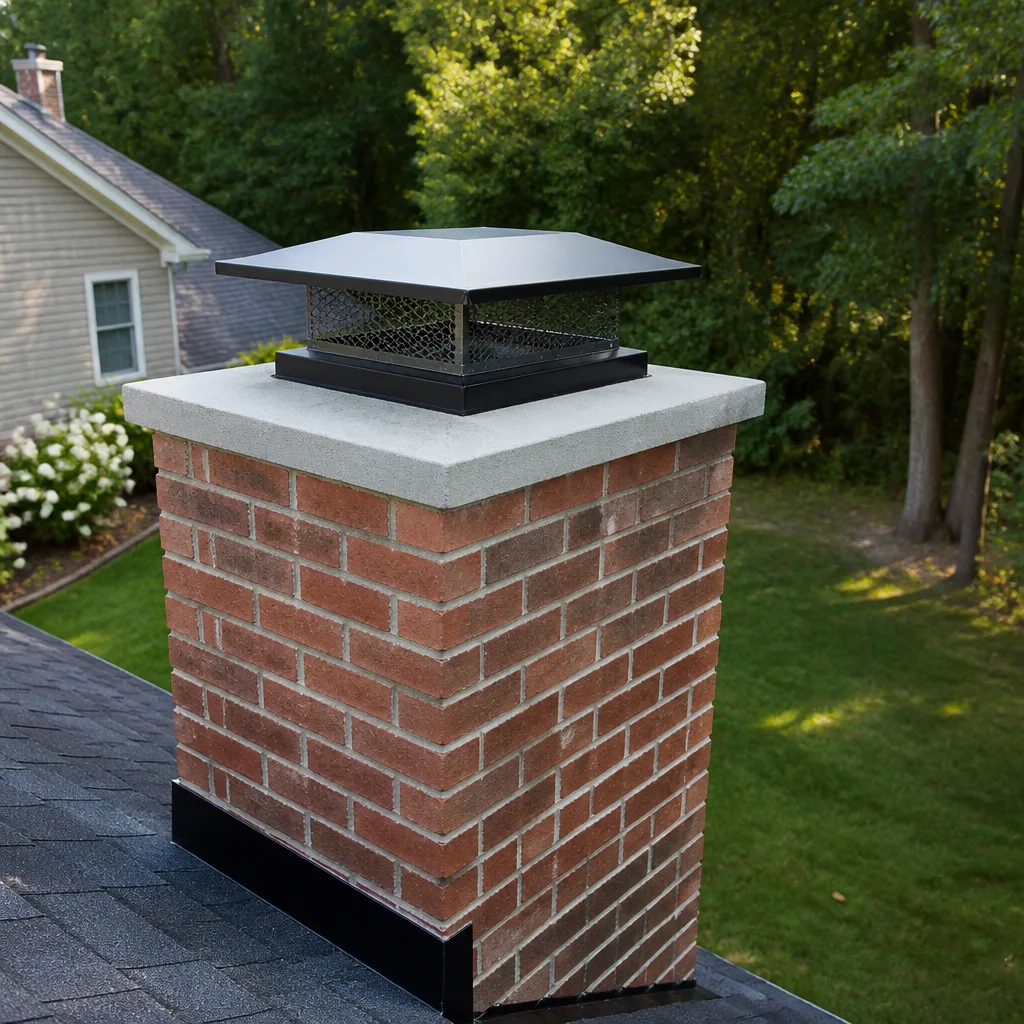
- Crown cracking. The crown is the sloped cap of mortar or concrete that sheds water off the top of the chimney. It takes direct sun all day, and UV exposure combined with heating and cooling causes hairline cracking, then deeper checks. A crown that has lost its slope, or that has a crack running through it, sends water into the top of the flue. Look up at it from across the street when the light is low and side-on; cracks that run vertically and are wider than a hairline are worth flagging.
- Staining and rust streaks. Dark streaks on the chimney face, or rust-colored runs from the flashing at the roofline, point toward water tracking down from a failed flashing seal or a worn crown.
None of these signs is a panicked phone call. They are all reasons to have the chimney looked at before you light the first fire of the season, so a small repair stays small.
Reading Creosote at the Firebox Opening
Creosote builds up in three distinct stages, and the chimney industry classifies them by appearance. You can often judge which stage you’re in by looking at the firebox opening and the first few inches of flue above the damper, without entering the flue at all. That’s the part of the assessment a homeowner can do safely.
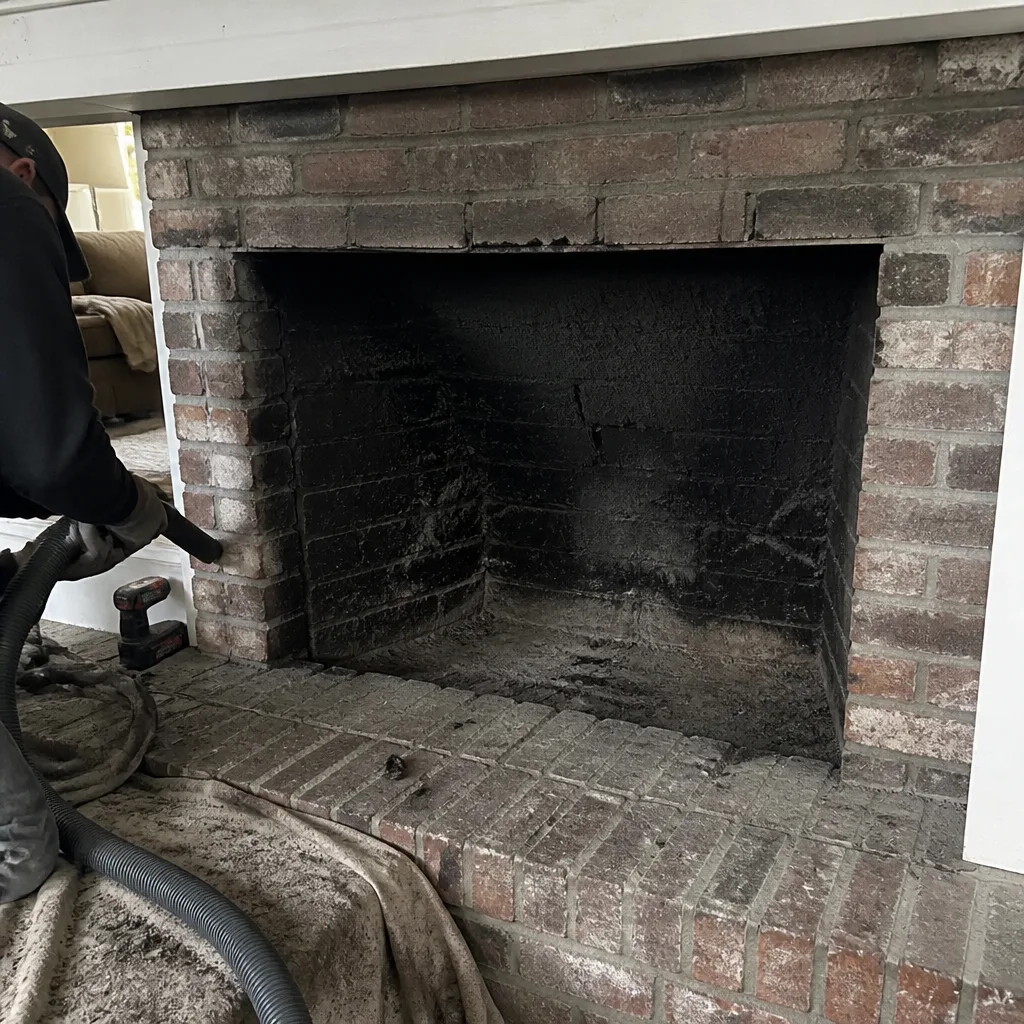
- Stage 1: soot and fluff. A thin, grey-black, powdery crust. It wipes off with a thumb and leaves a smudge. Stage 1 creosote is what a routinely used fireplace produces. A yearly sweep handles it comfortably.
- Stage 2: dry and flaky. Dark brown or black, curled flake that looks like charred leaves or toasted cereal. It’s brittle and peels off in shards. This is built-up Stage 1 after multiple seasons without a cleaning, and it’s where a sweep moves from routine maintenance to necessary.
- Stage 3: glazed and shiny. Hard, shiny, tar-like, and it doesn’t crumble. It’s the color of black glass when the light hits it, and it forms from slow, cool, smoky burns. Stage 3 creosote is a chimney fire risk because it clings to the flue wall and burns hot if ignited. It does not sweep off with a brush like Stage 1 or 2. A chimney sweep trained on this uses specific techniques to remove it safely, and in our experience, Stage 3 deposits are the ones most West Anaheim homeowners underestimate from the firebox view.
Two things speed creosote into the higher stages: burning wet or unseasoned firewood, and running the fire low and smoldering all evening. Burning dry, well-seasoned wood and letting the fire burn hot and then letting it die back produces a cleaner flue. If you see glazed black patches at the firebox opening, treat that as a prompt to schedule an inspection now, before the next fire, not at the end of the season.
A word of caution: do not reach up into the flue past the damper to check for creosote. Creosote can flake loose unpredictably, and the angle and the flickering light inside the flue make it easy to misjudge. Judge from the opening and let a trained chimney sweep assess the full length of the flue with the proper tools.
Damper Warning Signs You Can Check Yourself
The damper is the movable metal plate above the firebox that closes the flue when the fireplace isn’t in use. It’s the most tactile part of the system and the easiest to inspect. Give it a hand-test before the burning season and you’ll catch problems earlier than a visual check.
- Warping. Open and close the damper all the way, slowly. It should swing freely and seat flush. If a plate has warped, it will catch, scrape, or leave a visible gap on one side when closed. A warped damper lets cold air, and any flue gases, back down past it.
- Rust. Damp metal above a firebox doesn’t pit overnight. Rust on the damper plate or the pivot arms means moisture has been sitting in the chimney, often from a failed flashing seal or a missing chimney cap. That’s a chimney cap & crown conversation before it’s a damper replacement.
- Incomplete sealing. Close the damper and look up from below. If you can see daylight or a sliver of sky through it, it isn’t sealing. That gap matters because soot, debris, and birds’ nests can drop down through it, and exhaust can back-draft into the room after the fire dies.
- A rattle. A damper that rattles during a fire has lost its seating or its pivots. The rattle usually comes with a loss of draft control.
The damper also reveals whether the liner and the flashing are doing their jobs. Moisture intrusion from the top of the chimney shows up at the damper before it shows up anywhere else. If the metal is wet but the firebox is dry, look up toward the cap and the crown. We frequently replace or restore worn components in the liner path with chimney sweep service visits, but the damper check itself is something you should own.
Carbon Monoxide Risk Indicators People Misread
Carbon monoxide is colorless and odorless, which is why the clues that lead to a CO issue are easy to misread as “the fireplace just needs cleaning.” Those cues look like small annoyances. They’re the ones to take seriously.
- A back-draft of smoke into the room when you light a fire. If smoke rolls out of the fireplace instead of rising up the flue, the pressure balance or the draft is wrong. That can come from creosote blockage, a fallen liner section, or a flue that’s undersized for the firebox. It’s a reason to stop and have the system looked at, before you light the next fire.
- A burning “carburetor” smell or an odd chemical odor from your central heating or gas appliance. CO itself has no smell, but combustion that isn’t venting correctly often produces unusual odors. If the smell only appears when the fireplace or heating appliance runs, the venting is the thing to check.
- Headaches, dizziness, or drowsiness that appear only when the fireplace is running and improve when you leave the room. A working CO alarm is your real detector, and you should have one in the living area near any gas or fire appliance. Treat symptoms that repeat with use as a reason to call before the next fire, not after.
- A cold firebox or a draft that comes DOWN the flue instead of up. You shouldn’t feel air coming down the chimney into the room. That’s a sign the flue is blocked, or the chimney top is compromised.
When a carbon monoxide issue is suspected, the priority is the same for a fire risk: stop using the fireplace and have the chimney inspected by a specialist. A fireplace repair visit can also surface a venting problem that a cleaning alone won’t fix, because cleaning addresses the flue but not the joints and seals around it.
Cosmetic vs. Structural: How to Tell the Difference
The trick to avoiding unnecessary work is knowing which flaws are on the surface and which have moved into the structure. From the firebox, you can sort many of them yourself with a few cues.
- Hairline cracking in the firebox mortar is generally cosmetic. Thin, tight, map-like lines in the firebrick joints are usually heat cycling. They’re worth watching but not panic. Firebox mortar that’s missing entirely, or firebricks that are visibly loose, is a repair item.
- Staining that wipes off is a soot or moisture surface issue. Staining that has dried into the brick face and returns after a cleaning means the source is ongoing.
- Shifted liner sections are structural. If you can shine a light up past the damper and see a flue joint that’s offset or a liner that looks like it stepped sideways, that’s structural. It causes drafts to leak and gives creosote and gases a path into the surround.
- A deteriorated smoke chamber is structural. The smoke chamber is the tapered space between the damper and the flue. It should have a smooth, sloped surface. If it looks rough, ragged, or like bare brick with gaps, the smoke isn’t transitioning cleanly into the flue, and repairs are needed to keep the whole system performing.
- A cracked crown is cosmetic to look at, structural in effect. Small cracks can be sealed. A crown that’s lost its slope lets water into the chimney body over time.
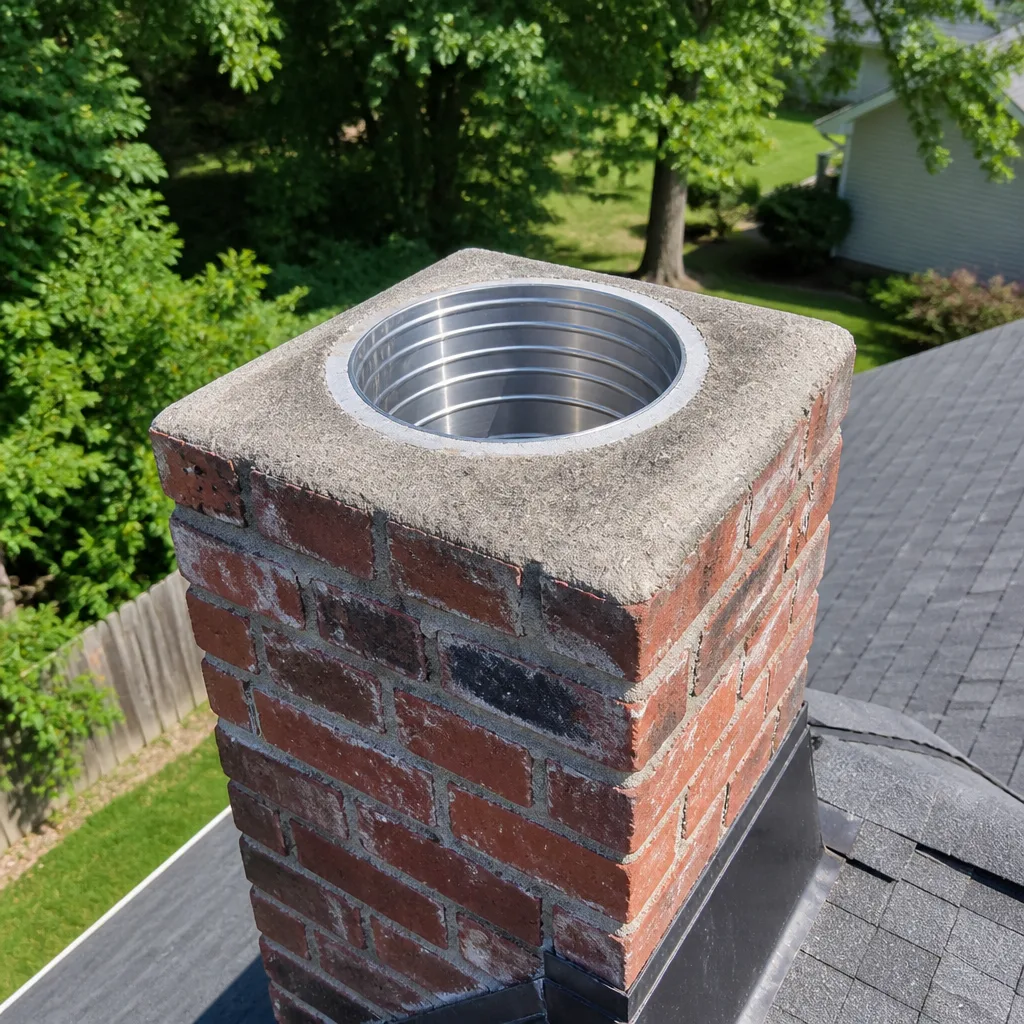
When the flue is the problem, we restore the lining rather than pushing a full rebuild. We work with a liner resurfacing system, HeatShield, that coats the inside face of the flue wall, and we install flue components from Gelco and Olympia Chimney. Those are the same kinds of professional-grade materials chimney specialists use, and they matter because a sound liner is what keeps a structural problem from becoming a fire hazard.
What a Chimney Sweep in West Anaheim Actually Does
A proper chimney visit is more than a brush on a pole. When a sweep service is done right, a homeowner can watch the sequence and see what’s being checked. Here’s the general shape of a professional-grade visit:
- Exterior survey. The sweep checks the masonry for spalling and efflorescence, the crown for cracks and lost slope, the cap for damage or gaps, and the flashing seal at the roofline. This is where the moisture-source problems get caught.
- Firebox and damper check. The firebox is inspected for missing mortar and loose brick. The damper is exercised and checked for a clean seal. Creosote stage is noted from the opening.
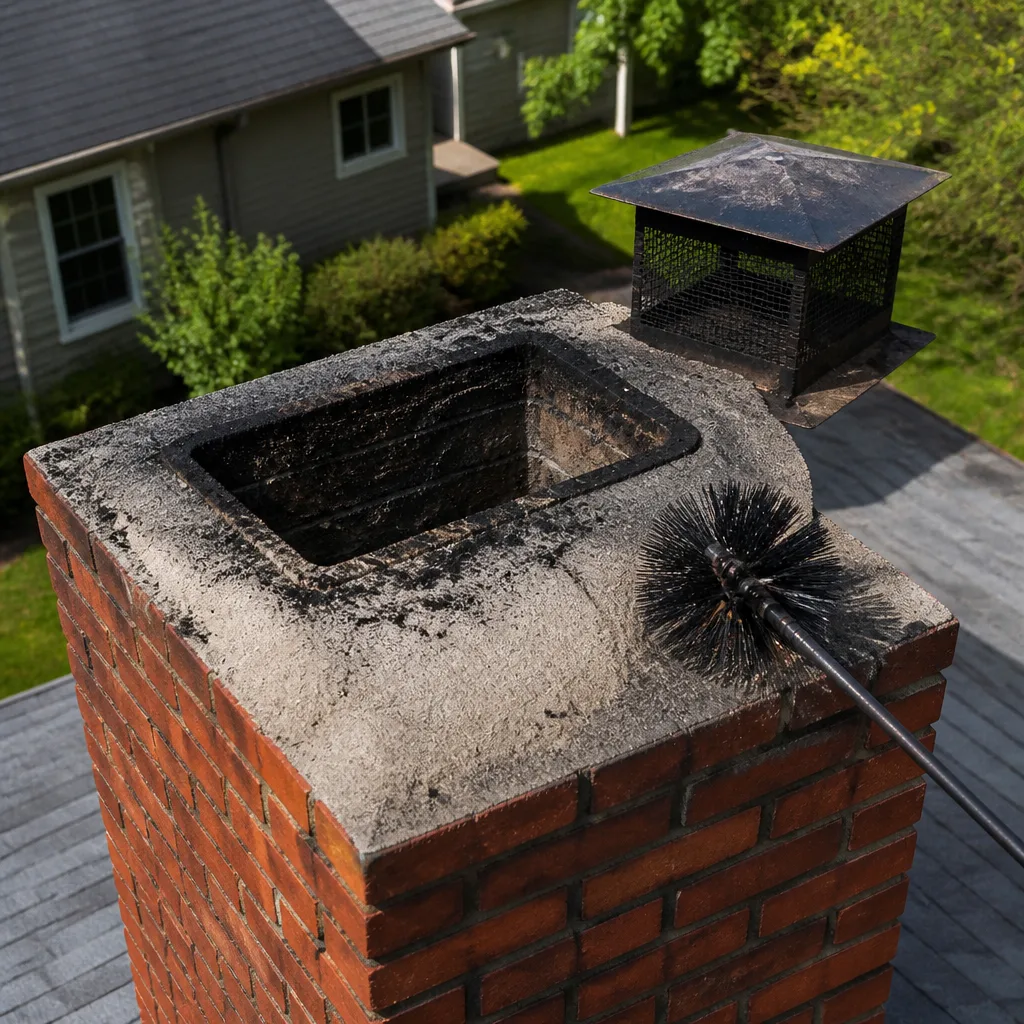
- Flue cleaning. The proper brushes for the flue size are run through the full length, from the top or the firebox, with a drop cloth barrier and a vacuum running to contain the soot. Stage 3 glazed creosote needs a different method than Stage 1.
- Smoke chamber and liner inspection. The sweep checks the liner joints, the smoke chamber taper, and the smoke shelf for offset sections or soot traps.
- Camera and photo report. A video inspection gives you a look at what the sweep saw. We always recommend seeing the images before agreeing to work.
A sweep visit in West Anaheim usually takes one to two hours depending on the flue condition and whether there’s creosote buildup. You’ll get a written assessment of what was cleaned and what was found. If you need a broader safety assessment, an inspection is a standalone service, and we offer one before we recommend anything. If you want the full picture of our services, you can start at Chimney Sweep West Anaheim.
Why Timing Your Sweep Matters in Southern California
West Anaheim doesn’t heat up the way the valleys and inland areas do, and it doesn’t get the damp winters of the north coast. What it does do is sit in coastal Southern California’s long warm season with a short wet season that arrives in bursts. That pattern changes how a chimney ages and when creosote builds up.
The dry months are when a lot of homeowners in West Anaheim actually use the fireplace, at least heavily in the cooler evenings of late fall and winter. Because the burning season is compressed, it’s easy to stack three or four seasons of fire use on one cleaning. Creosote reaches Stage 2 and Stage 3 faster than the calendar suggests.
The wet months are the testing season for the exterior. Rain driven by the winter storms hits the crown and the flashing, and where those have failed, moisture gets into the brick and into the flue. Brick that has absorbed water from the rainy season then dries out through the summer, and the efflorescence and spalling show up on the surface over the following months. A chimney sweep scheduled in the early fall catches the moisture damage from the last rainy season before the next one starts.
A practical rhythm that works well for the neighborhoods around West Anaheim: have the chimney swept after the burning season, in early spring, and have the exterior looked at again in late summer before the fires start. For a chimney that sees heavy use, once a year is the floor. Two visits spread across the year, one internal and one external, is the more careful approach and it’s what a lot of homeowners miss when they only think about the flue.
Common Mistakes to Avoid
- Assuming a smoky smell just means the chimney needs cleaning. Sometimes it does. Just as often the smell is a sign of pressure balance or blocked draft, and the fix isn’t a cleaning at all. It’s an inspection. In West Anaheim, where the burning season is short, a smoky smell that shows up on the first fire of the year often points to a bird’s nest or a cap that’s come loose over the summer.
- Waiting until you smell smoke to look outside. The exterior masonry signs, spalling and efflorescence and crown cracking, show up months before any interior smell. Get in the habit of looking up at the chimney from the yard before the season starts.
- Burning wet, unseasoned wood to save money. Wet wood burns cool and smoky, and it deposits creosote faster. Seasoned firewood is the single biggest thing a homeowner can control about creosote buildup.
- Cleaning the firebox with corrosive products. Harsh chemicals can attack the firebrick and the firebox mortar. A damp cloth after the fire is out is a much better approach, and a proper sweep will clean the firebox the right way.
- Not sealing a chimney cap or missing one entirely. Rain falls straight down the flue without one, and so do leaves, debris, and small animals. A missing or damaged cap sends water into the flue all winter.
- Reading hairline cracks as a rebuild. Thin, tight cracks in the firebox mortar are common and treatable. The structural issues are the ones worth the real conversation: shifted liner sections, a deteriorated smoke chamber, and a crown that has lost its slope. If a quote suggests a major rebuild for hairline cracks alone, ask to see the camera report.
- Assuming a gas fireplace is exempt. A gas fireplace still vents combustion byproducts. Venting matters whether the fuel is wood or gas, and gas units can still have a blocked flue, a failed damper seal, or a carbon monoxide risk.
See the difference
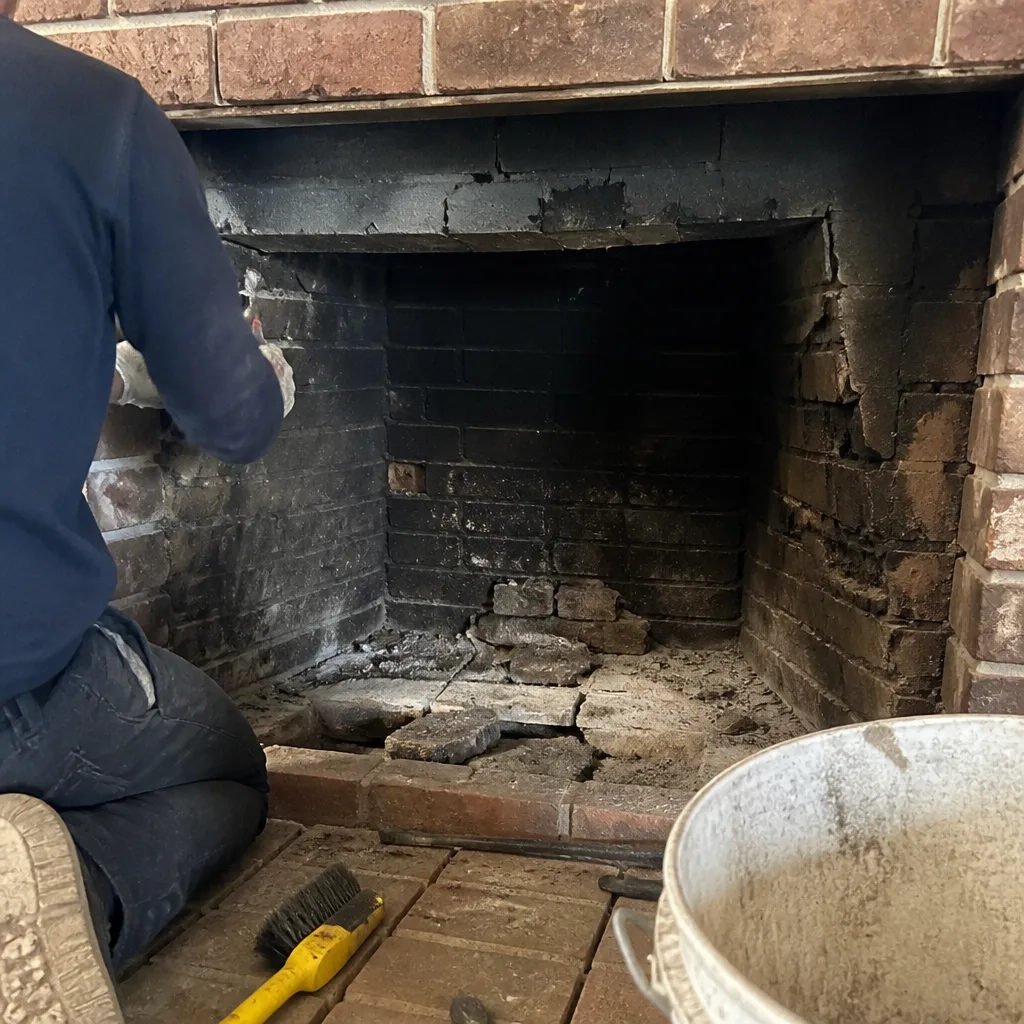 Before
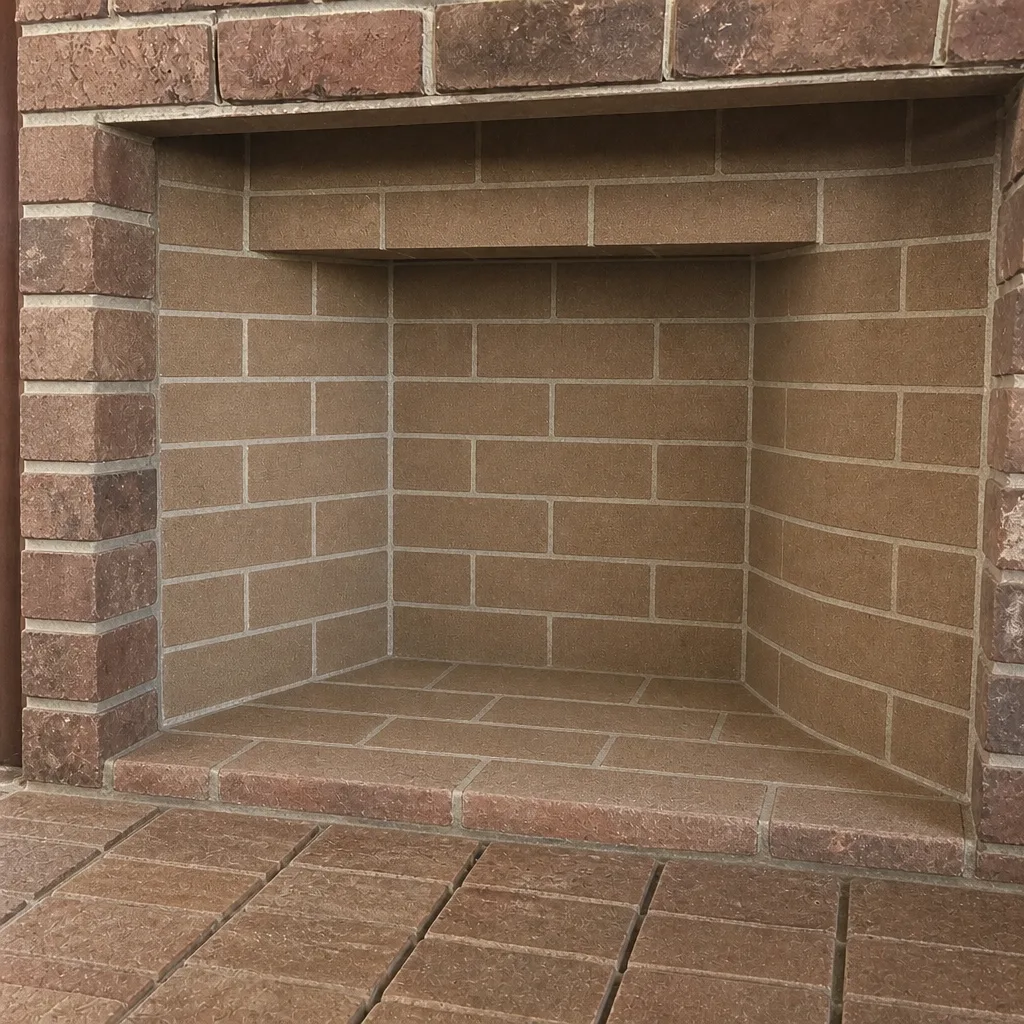 After
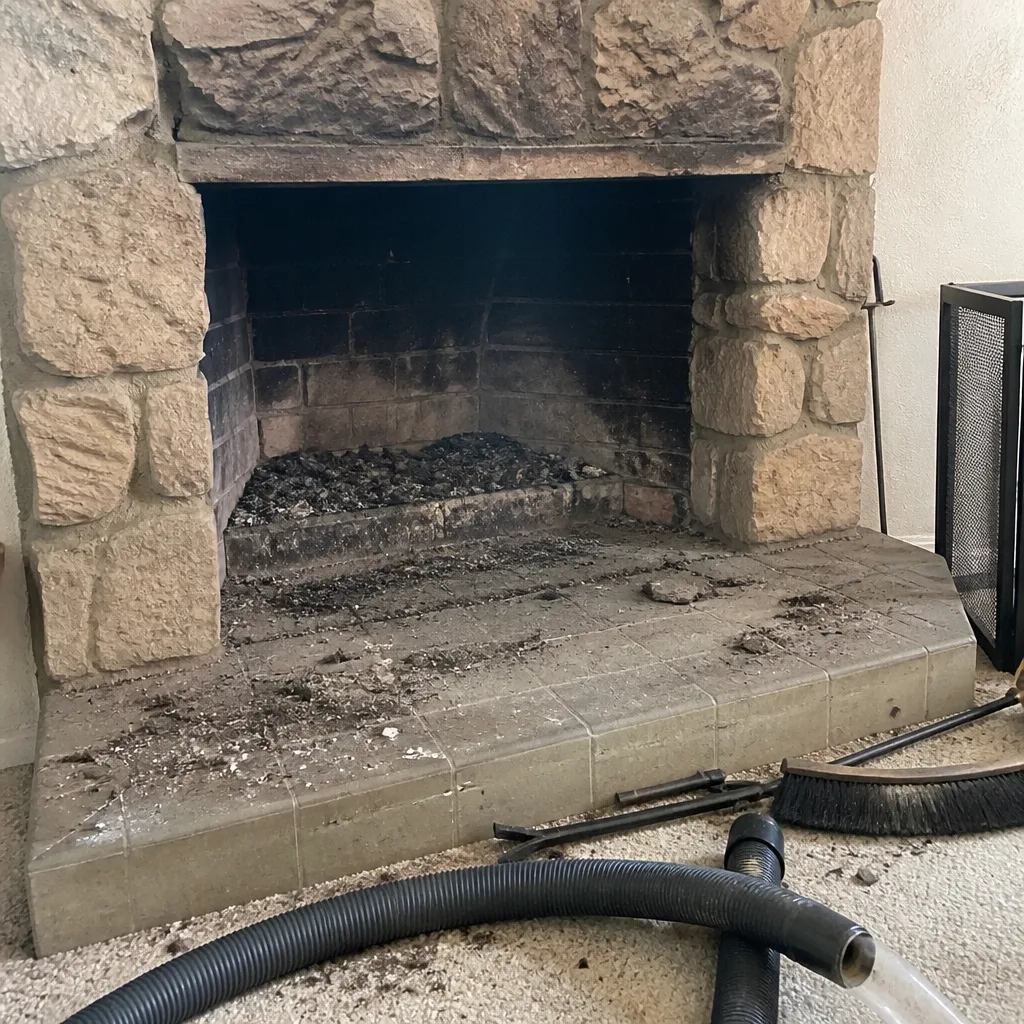 Before
 After
 Before
 After
When to Call a Professional
Call a chimney specialist if you see glazed black creosote at the firebox opening, if the damper warps or rusts shut, if smoke rolls into the room when the fire starts, or if the exterior masonry is spalling and the crown is cracked. Call sooner if anyone in the house gets headaches or drowsiness that worsens with the fireplace running. A routine sweep once a year is not an emergency, but the warning signs that precede a chimney fire or a carbon monoxide issue are. Chimney Sweep West Anaheim offers free estimates in West Anaheim. Call (877) 792-7386. We answer 24/7. Fast dispatch from 7am to 7pm, Sunday through Friday. Our technicians have up to 15 years of experience, and we use professional-grade materials from brands like Famco and Olympia Chimney for caps, liners, and venting.
Frequently Asked Questions
A typical chimney cleaning in West Anaheim runs in the range you’d expect for a professional sweep, and the exact number is set by the written estimate after we see the flue. The estimate itself is free, and the sweep price reflects the flue size and the creosote condition. Call (877) 792-7386 for an exact quote. A glazed Stage 3 creosote removal costs more than a routine Stage 1 sweep because it takes a different method.
You need a new liner when the inspection shows shifted sections, cracked clay tiles, or a deteriorated smoke chamber that the flue gases are escaping through. A camera inspection shows you exactly that. When the lining is sound but the surface is worn, we restore it with a HeatShield resurfacing system instead of a full liner replacement. Ask to see the images before you approve anything.
Once a year for a chimney that sees regular use is the standard answer, and it’s the right floor in West Anaheim because the burning season is compressed into fewer, heavier months. If you burn a lot of wood, or if you see Stage 2 or Stage 3 creosote at the firebox opening, add an inspection mid-season. For a lightly used gas fireplace, still have it inspected yearly to confirm the venting.
Skipped cleanings let creosote build up to the glazed stage, which is a chimney fire risk, and let a clogged or damaged flue pass carbon monoxide back into the house. The other thing that happens is quieter: small exterior cracks let water in, and the crown, flashing, and masonry start to fail. A sweep is far less expensive than the masonry repair that follows a missed warning sign.
Yes. We offer a formal chimney inspection as a standalone service, separate from a cleaning, which is what you need if a buyer’s inspector, a lender, or your insurance carrier wants a documented safety assessment. The camera inspection and photo report give you something to hand over. Call (877) 792-7386 to schedule the inspection.
Stop using the fireplace and call before you light the next fire. Smoke that rolls back into the room means the draft has failed, and the cause could be a blockage, a fallen liner section, or a pressure issue. A cleaning won’t necessarily fix it, so you want an inspection to identify the actual cause. Call (877) 792-7386 and we’ll get you on the dispatch schedule.
The Bottom Line
The signs that precede a chimney fire or a carbon monoxide issue are visible months before the smell of smoke tells you something’s wrong. Look outside for spalling and efflorescence, a cracked crown, and rust at the flashing. Look at the firebox for creosote stages, warped or rusted damper parts, and shifted liner sections. Distinguish the cosmetic from the structural, keep the firewood dry, and get the chimney swept once a year. A free estimate from Chimney Sweep West Anaheim is the easiest way to confirm what you’re looking at. One call covers sweep, cap, crown, liner, and repair, and we inspect before we recommend anything. Call (877) 792-7386. We answer 24/7, with fast dispatch from 7am to 7pm, Sunday through Friday.
Written by the team at Chimney Sweep West Anaheim.