
Last updated November 24, 2026
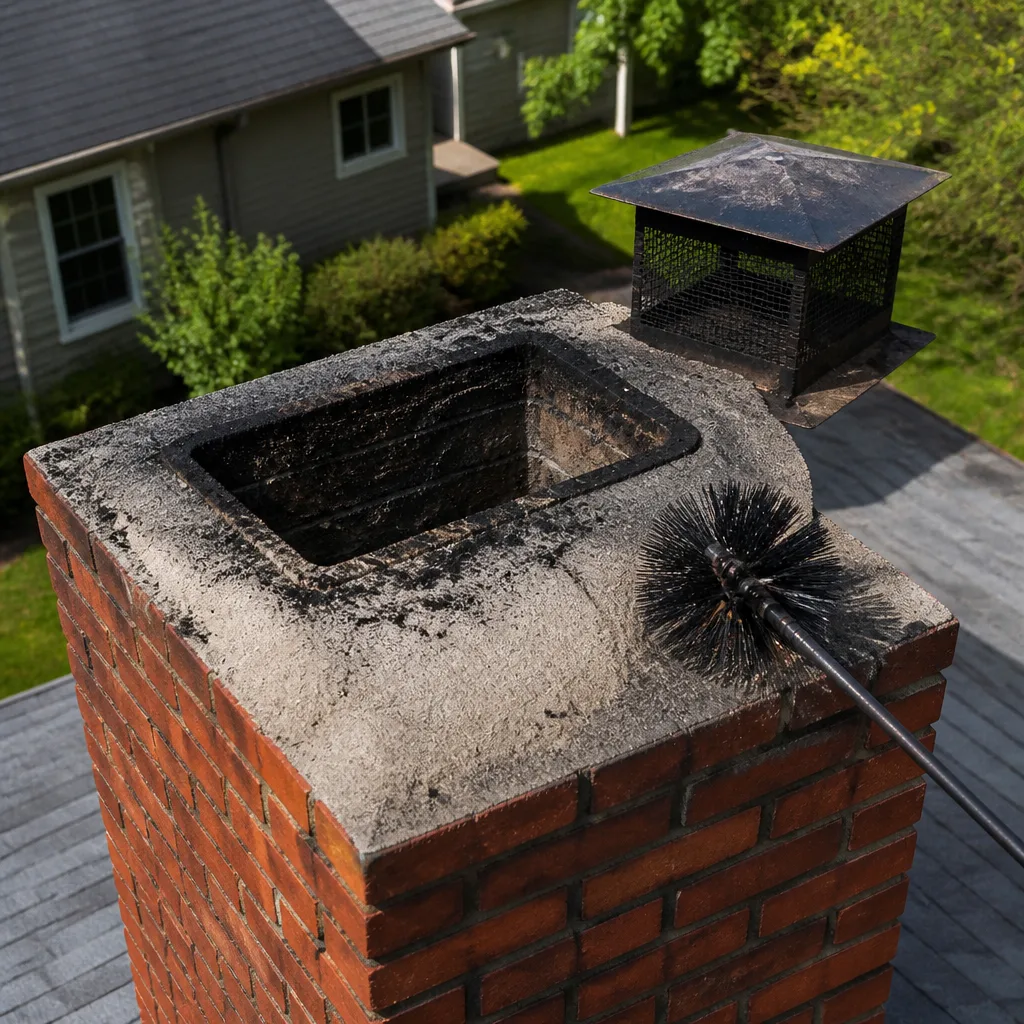 Sweep & inspection
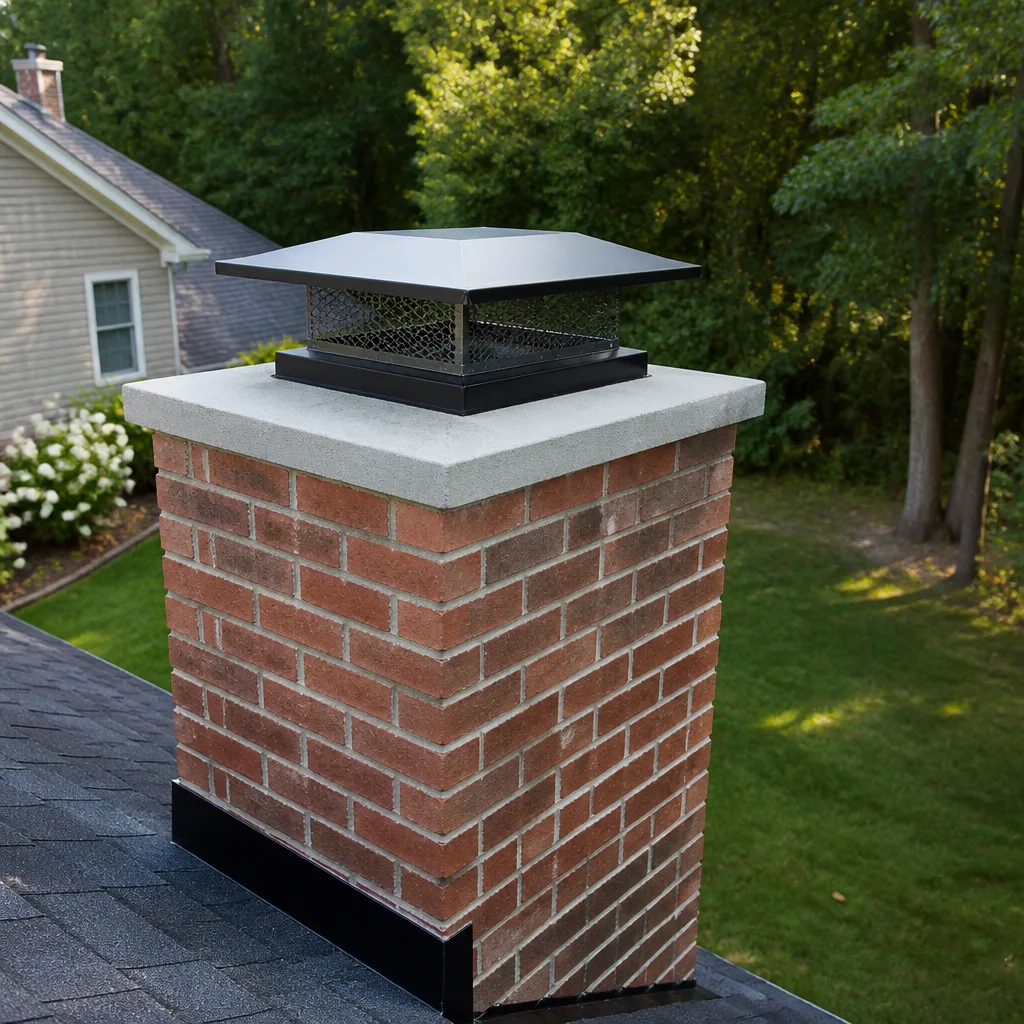 Caps & crowns
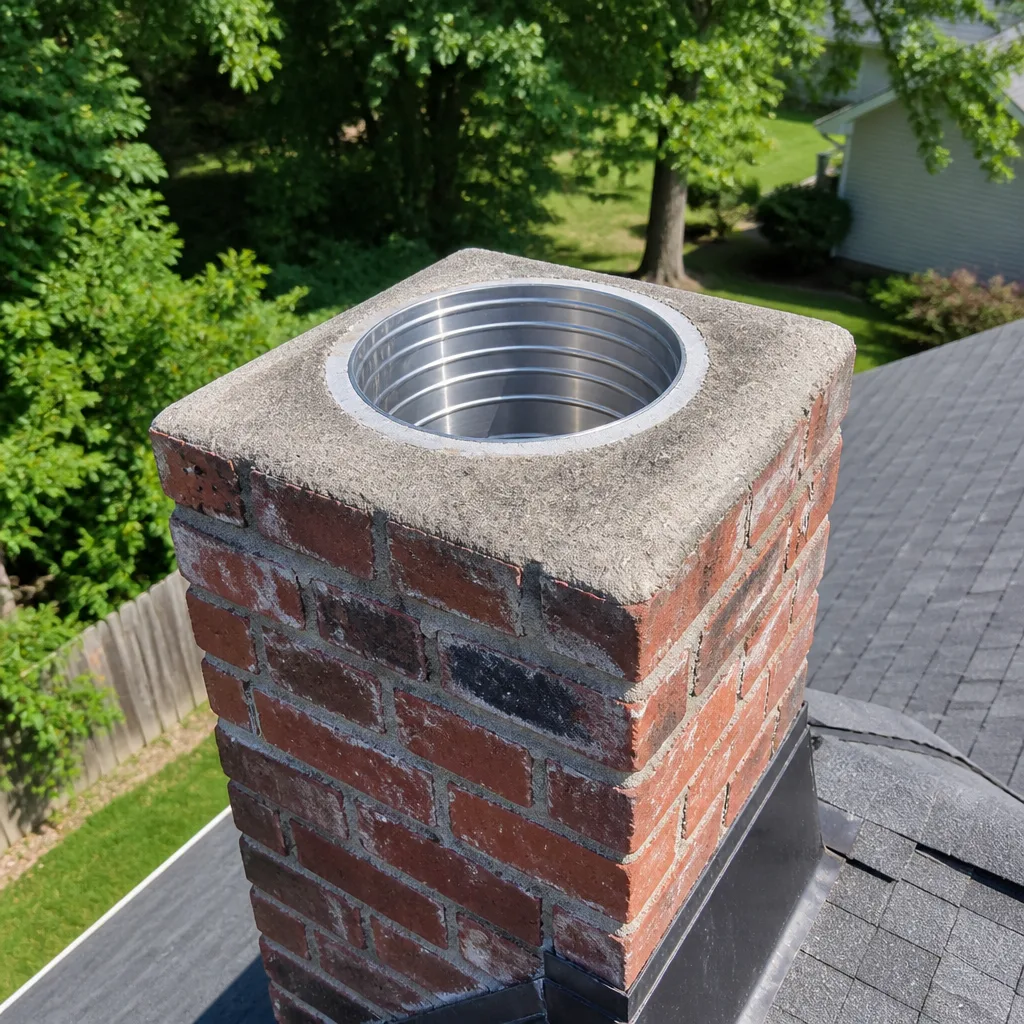 Flue relining
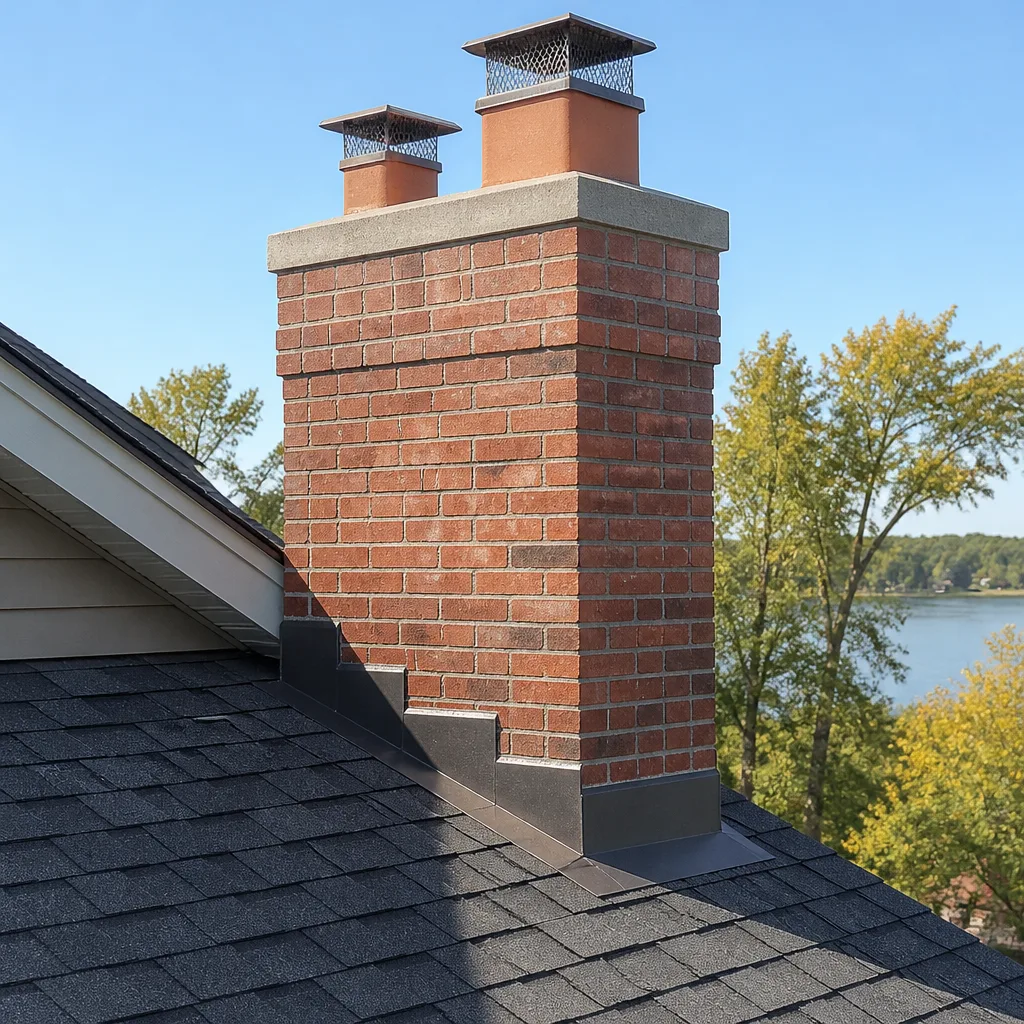 Masonry repair
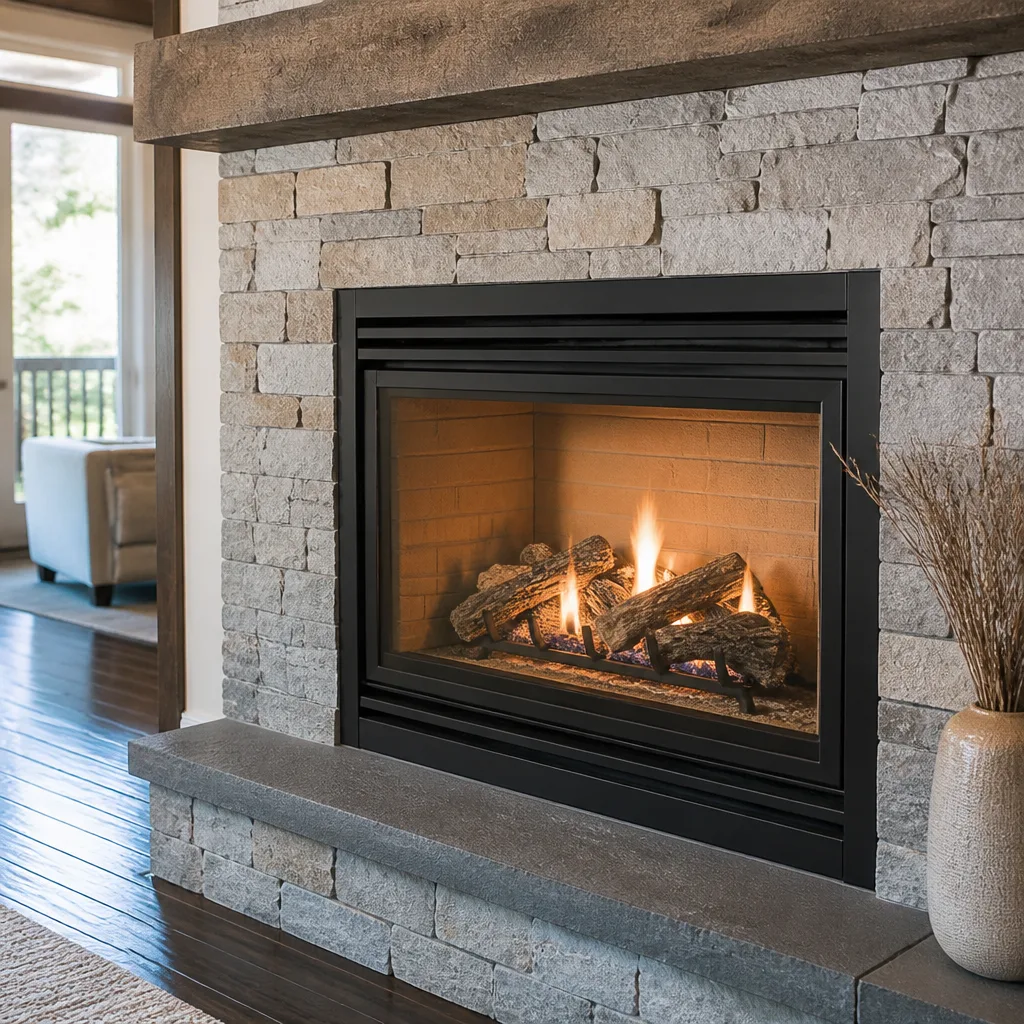 Gas fireplace service
Level 1 sweep and inspection to the NFPA 211 annual standard - flue, crown, cap, and flashing checked and photographed
Chimney sweep logs do not sweep chimneys. They loosen some creosote - which then falls where a brush and vacuum still have to collect it.
Choosing the Right Chimney Cleaning Brand: A Buyer’s Guide for West Anaheim
When a contractor tells you they’re relining your chimney, there are several different stainless steel alloy grades they could be using, and the difference between 304 and 316Ti stainless matters more to your chimney’s long-term performance than which brand name is on the label. Most homeowners shop for chimney cleaning by comparing prices and reviews, never asking what materials will actually go inside the flue. That gap is where problems hide. A sweep is a service; a liner, crown coating, or cap is a product, and the product grade determines how many years you get before the next repair. In this guide we’ll walk through the product categories that separate a full-system chimney specialist from a generalist, what alloy specifications mean for Southern California conditions, how to spot a legitimate material recommendation versus an upsell, and what a properly written material specification looks like on a repair quote. If you live in West Anaheim and you’ve got a fireplace you actually use, this is the knowledge that keeps your next estimate honest.
Quick Answer
The right chimney company is the one that names the products it installs by manufacturer and material grade, not just the labor it performs. Look for a specialist who works with recognized professional lines such as DuraFlex, HeatShield, Olympia Chimney, Famco, or Copperfield, specifies the stainless alloy on any liner quote, and offers inspection as a standalone service so you can get a safety assessment before committing to repair work. In West Anaheim, that combination is what separates a full-system chimney specialist from a generalist who cleans flues on the side.
Styles & brands we work with
- Sweep & inspection
- Caps & crowns
- Flue relining
- Masonry repair
- Gas fireplace service
Table of Contents
- The Four Product Categories That Matter
- Why the Stainless Alloy Spec Belongs on Your Quote
- Branded Professional Products vs. Unbranded Components
- How to Tell an Upsell From a Legitimate Recommendation
- What a Written Material Specification Looks Like
- Questions to Ask Before You Book a Chimney Sweep
- Why Inspection Should Come Before Any Recommendation
- Full-System Thinking: One Call Covers Sweep, Cap, Crown, Liner, and Repair
The Four Product Categories That Matter
A chimney isn’t one product. It’s a system of connected components, and each one has its own material standards. When you understand the four categories below, you can tell within a few minutes whether the company you’re talking to actually works with professional-grade materials or is improvising with whatever’s available at the supply house.
Liner systems. This is the flue itself, the passage that carries smoke and gases out of your house. Liners come in flexible stainless steel (the most common for retrofits), rigid stainless sections, and cast-in-place or spray-applied resurfacing systems. HeatShield is a liner resurfacing product used to restore deteriorated clay flue tiles rather than replace them outright. If a company mentions HeatShield by name and can explain when it applies, that tells you they do restoration work beyond simple sweeping.
Crown coatings. The crown is the concrete cap at the top of the masonry chimney that sheds water away from the structure. A cracked crown lets water into the chimney body, and over time that water causes spalling, efflorescence, and eventually structural damage. Crown coatings are formulated masonry products, not generic sealant, and the difference shows up in how many seasons the repair lasts.
Chimney caps. The cap sits on top of the flue to keep rain, animals, and debris out while allowing exhaust to escape. Caps range from simple galvanized steel to stainless multi-flue models with animal guards. Famco and Copperfield are two lines recognized by certified chimney professionals for caps, liners, and venting components. A company that installs these by name is specifying a known product, not fabricating a cap on site from sheet metal.
Smoke chamber resurfacing products. The smoke chamber is the tapered area above the damper that funnels smoke into the flue. Its corbeled masonry creates ridges where creosote collects, and those ridges are difficult to sweep clean. Resurfacing products smooth the chamber to reduce creosote buildup and improve draft, and this is specialist work, not a general masonry task.
In our experience, a company that can speak to all four categories is operating as a full-system chimney specialist. A company that only talks about sweeping is doing one part of the job.
Why the Stainless Alloy Spec Belongs on Your Quote
Stainless steel is not one material. The two grades you’ll encounter most often in chimney liners are 304 and 316Ti, and the difference between them affects how the liner performs over its service life. Both are stainless. Both contain chromium. What separates them is molybdenum and titanium, which improve resistance to chlorides and to the corrosive compounds that form when wood burns.
Here’s why this matters specifically in Southern California. Our climate is mild, which means chimneys here don’t face the freeze-thaw stress that liners in colder regions do. But mild winters also mean many homeowners burn less frequently, and intermittent burning with long idle periods allows acidic residue to sit on the liner surface. A liner spec’d for heavy continuous use may not be the ideal choice for a fireplace that runs a few evenings a week in December and January. The alloy and wall thickness should match the actual burn pattern, not a generic default.
What should appear on your written estimate:
- The alloy grade (304 or 316Ti, or the specific grade the manufacturer specifies)
- The wall thickness of the liner
- The manufacturer name (DuraFlex and Olympia Chimney are two professional lines)
- The insulation specification, if the liner will be wrapped or enclosed
- The termination and cap component being used at the top
If a quote says only “install stainless liner” with no alloy grade and no manufacturer, you can’t compare it to another bid and you can’t verify what will actually go into your chimney. Ask for the specification in writing before you sign. In West Anaheim, where housing stock ranges from mid-century tract homes to newer construction, liner sizing and alloy choice often differ from house to house, which makes the specification even more important.
Branded Professional Products vs. Unbranded Components
Chimney products are sold in two broad tiers: branded components from manufacturers with published specifications and traceable model numbers, and unbranded or imported components sold by dimension alone. Both will physically fit inside a flue. Only one lets you or a future inspector verify what was installed.
Why does traceability matter? Because when you sell a house, an inspector will look at the chimney. When your insurer asks about the liner, they want to know what’s in there. And when the liner eventually needs attention, the next technician needs to know what they’re working with. An unbranded liner with no documentation creates a blank spot in your home’s records.
Professionally recognized lines in this trade include DuraFlex, HeatShield, Gelco, Olympia Chimney, Famco, and Copperfield. Each covers a different slice of the system: liner systems, resurfacing, caps and venting, masonry coatings. A specialist who works across several of these lines can match the product to the problem rather than forcing one product family onto every job.
That matters for a full-system approach. If your chimney needs a new liner and a new cap and a crown repair, a company that carries multiple recognized lines can specify each component from the appropriate manufacturer. A generalist working with one supplier will often use whatever that supplier stocks, whether or not it’s the best fit for your flue.
This is also why we treat chimney sweep work as a starting point rather than an endpoint. The sweep tells us what condition the system is in. The product knowledge tells us what to do about it.
How to Tell an Upsell From a Legitimate Recommendation
The single biggest hesitation homeowners bring to a chimney estimate is the fear of being told they need thousands of dollars of work they can’t verify. That fear is reasonable, because chimney interiors are hard to see and most homeowners have no reference point for what’s normal. Here’s how to separate a legitimate recommendation from a sales pitch.
Legitimate liner replacement is warranted when:
- The existing clay tiles are cracked, spalled, or missing in sections visible on camera
- The flue is unlined or has a liner that doesn’t match the appliance (for example, a wood stove connected to an oversized flue)
- There’s evidence of creosote glaze at level 3, which cannot be removed by sweeping alone
- The chimney has shifted or settled enough to offset the flue joints
Legitimate crown repair is warranted when: the crown has visible cracks, is pulling away from the flue, or has lost its slope so water pools rather than running off.
Legitimate cap installation is warranted when: there’s no cap, the existing cap is rusted through or damaged, or animals have gotten into the flue.
An upsell looks like this: the recommendation arrives without camera evidence, the diagnosis uses vague language (“your chimney is deteriorating”), the price is quoted before any inspection, or the product being pushed is described only by brand name with no explanation of why that product fits your situation.
We inspect before we recommend, and we show the camera footage. If the work can safely wait a season, we say so. That’s not a sales tactic, it’s how a specialist operates. Homeowners in West Anaheim have plenty of options for chimney work, and the ones who ask to see the evidence are the ones who end up with the right repair at the right time.
What a Written Material Specification Looks Like
A complete chimney repair quote has two halves: the labor and the material. Most quotes homeowners receive list only labor, with a single line that says something like “chimney repair” or “liner install.” That’s an incomplete quote, and here’s what a properly written one should contain.
- Scope of work. What’s being removed, what’s being installed, and where. “Remove deteriorated clay flue tiles from the smoke chamber up; install new flexible stainless liner” is a scope. “Chimney repair” is not.
- Product line and model. The manufacturer name and the specific product family. DuraFlex, HeatShield, Gelco, Olympia Chimney, Famco, and Copperfield are the kinds of names you’re looking for. If a quote names none, ask why.
- Material grade. For liners, the alloy grade and wall thickness. For coatings, the product type and number of coats. For caps, the material (stainless, galvanized, copper) and the model.
- Insulation and clearances. Whether the liner will be insulated, and how clearances to combustibles will be maintained.
- Termination details. What cap or top plate will be installed at the flue exit, and how it will be secured.
- Inspection before and after. A camera inspection before work begins and a photo report after completion, so you can verify what was installed.
- The written estimate itself. A stated price, not a range, with the understanding that the estimate sets the final price for that scope.
If you compare two quotes and one has seven lines of product detail while the other says “chimney repair: $X,” the first quote is the one you can actually evaluate. A quote without product detail isn’t a bid; it’s a guess. When we put together a repair estimate for a West Anaheim homeowner, the specification is the part that gets read most carefully, and that’s the way it should be.
Questions to Ask Before You Book a Chimney Sweep
You don’t need to become a chimney expert to hire well. You need five or six good questions and the willingness to walk away if the answers are vague. Here’s the list we think every homeowner should have ready before booking.
- “What brands do you install?” Listen for specific manufacturer names. A company that works with professional lines will answer immediately. A company that says “we use whatever’s best for the job” without naming anything hasn’t answered the question.
- “What alloy grade do you recommend for my liner, and why?” For most residential wood-burning fireplaces, 304 or 316Ti stainless will come up. The answer should reference your appliance type and burn habits, not a one-size-fits-all recommendation.
- “Will I get a camera inspection and a photo report?” You should be able to see the inside of your own chimney before anyone recommends thousands of dollars in work. A camera inspection and photo report should be included in the estimate.
- “Is inspection available as a standalone service?” If inspection only comes bundled with a sweep, the company is using it as a sales hook. Standalone inspection means you can get an assessment and act on it independently.
- “Can you put the material specification in writing?” Any specialist should be able to. If the answer is “we’ll figure it out on the day,” that’s a red flag.
- “What happens if you find something during the sweep?” The answer should be: we stop, show you the footage, explain the options, and give you a written estimate before any additional work. Never a surprise charge.
These questions take about five minutes on the phone, and they’ll tell you more about a chimney company than any review page. For a related service, a chimney cap & crown installation is a good test case: ask which manufacturer’s cap they’d use and how it attaches, and you’ll learn quickly whether you’re talking to a specialist.
Why Inspection Should Come Before Any Recommendation
A sweep cleans. An inspection assesses. They’re related but distinct services, and the order matters. Sweeping without inspecting misses problems; inspecting without sweeping leaves creosote in the flue where it can obscure the view. The right sequence is: inspect, sweep, inspect again, then recommend.
We lead with an inspection-first approach because it’s the only way to give a homeowner a recommendation they can verify. A camera inspection shows the flue interior, the smoke chamber, the damper, the firebox, and the crown from the inside. A photo report documents what was seen so you have a record for insurance, real estate, or your own files.
Standalone inspection matters for three specific situations. First, real estate transactions: a buyer or seller needs a formal assessment independent of any repair work. Second, insurance: some policies require documentation of chimney condition. Third, safety: if you’ve just moved into a home in West Anaheim and don’t know when the chimney was last serviced, an inspection tells you what you’re dealing with before you light the first fire of the season.
Inspection is one of the five core services we provide, alongside sweeping, cap and crown installation, fireplace repair, and chimney repair. Keeping it standalone means you can buy the assessment without buying the repair. That’s the way a specialist should operate, and it’s what “we inspect before we recommend” actually means in practice.
If you’re dealing with fireplace issues specifically, fireplace repair often starts with the same inspection: the damper, the firebox panels, the grate, and the smoke shelf all get assessed in the same visit.
Full-System Thinking: One Call Covers Sweep, Cap, Crown, Liner, and Repair
Most chimney problems aren’t single-component problems. A cracked crown lets water into the chimney body, which damages the flue tiles, which lets creosote seep into the masonry, which eventually requires a liner. If you hire a sweep for the cleaning, a mason for the crown, and a roofer for the cap, each contractor sees only their slice, and the coordination falls on you.
A full-system specialist handles the whole chain. That’s what we do at Chimney Sweep West Anaheim: cleaning, cap and crown work, fireplace repair, chimney repair, and formal inspection, all under one scope of work. One estimate, one point of contact, one photo report at the end. That’s a meaningful difference when you’re managing a repair in a West Anaheim home and don’t want to coordinate three contractors across two weeks.
Full-system also means the products get matched to each other. A Copperfield cap on top of a DuraFlex liner with a HeatShield-restored smoke chamber below is a coherent system, not three unrelated repairs. That coherence shows up in draft performance, in how well the chimney handles a hot fire in January, and in how many years pass before the next significant repair.
Clean flue. Sound structure. Safe fire. That’s the outcome a full-system approach is designed to produce, and it starts with asking the right questions before anyone shows up.
Common Mistakes to Avoid
- Hiring on price alone. The cheapest sweep in West Anaheim may not be the one who inspects before recommending. A low sweep price often hides a high repair quote that arrives without camera evidence, and by then you’ve already paid for the visit.
- Accepting a quote without a material specification. If the estimate lists only labor and a lump-sum price, you can’t verify what will go into your chimney. Ask for the manufacturer name and alloy grade before you sign.
- Skipping the camera inspection. A sweep without a camera is a cleaning without a diagnosis. You’ll know the flue is cleaner, but not whether the liner, crown, or smoke chamber needs attention.
- Assuming annual sweeping is optional. Even a fireplace used a few evenings a week in winter accumulates creosote. In our mild Southern California climate, intermittent burning can actually concentrate deposits because the flue stays cooler between fires.
- Letting one contractor do the sweep and another do the repair. Coordination gaps are where damage slips through. A single full-system scope keeps the sweep findings tied to the repair recommendation.
- Confusing brand recognition with product fit. A well-known brand installed in the wrong application is still a wrong install. The alloy grade, wall thickness, and insulation matter more than the label.
- Not asking whether the work can wait. Some repairs are urgent; some can safely wait a season. A specialist will tell you which is which rather than defaulting to “this needs to be done now.”
One more mistake specific to West Anaheim: assuming a general handyman can handle chimney work because the job “looks simple.” Chimney systems involve high temperatures, combustion gases, and building code requirements that a generalist isn’t trained on. For a related service in a neighboring area, see chimney sweep and ask what product lines that company works with.
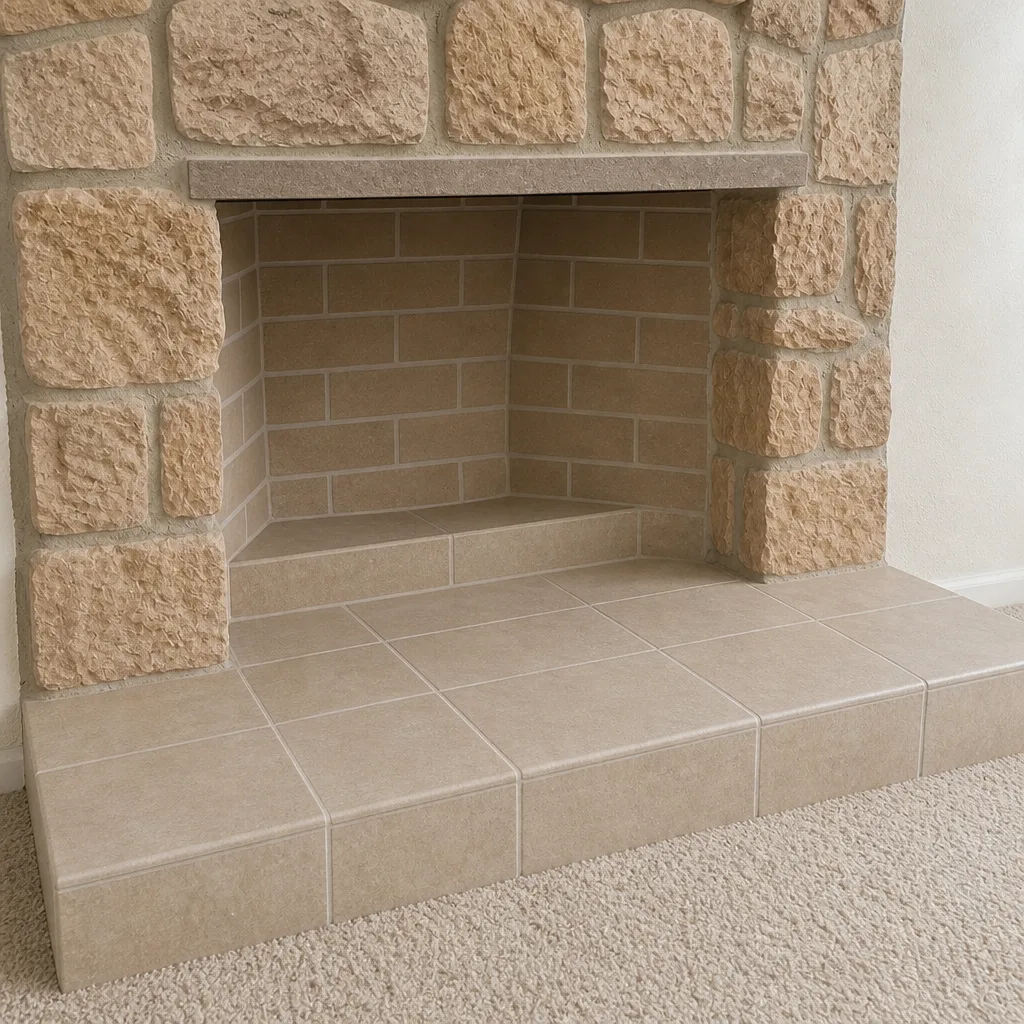
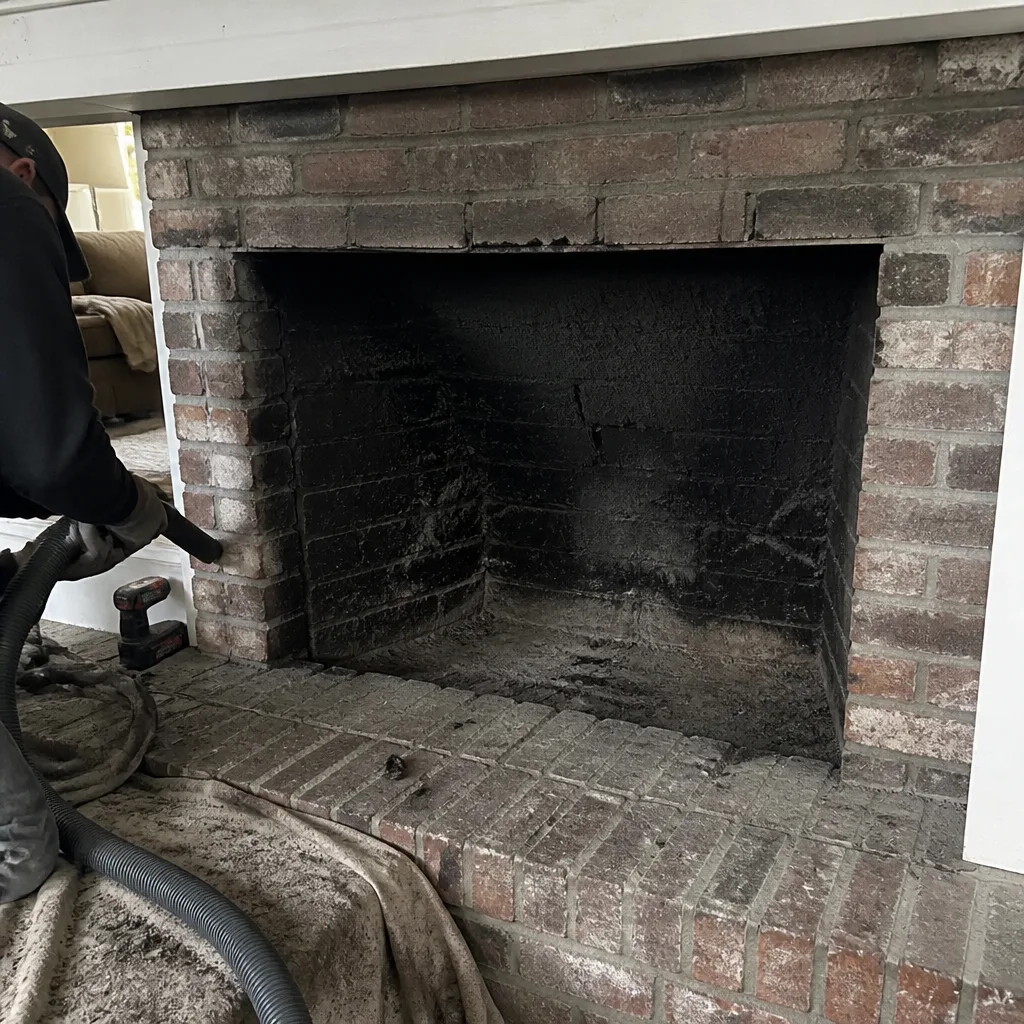
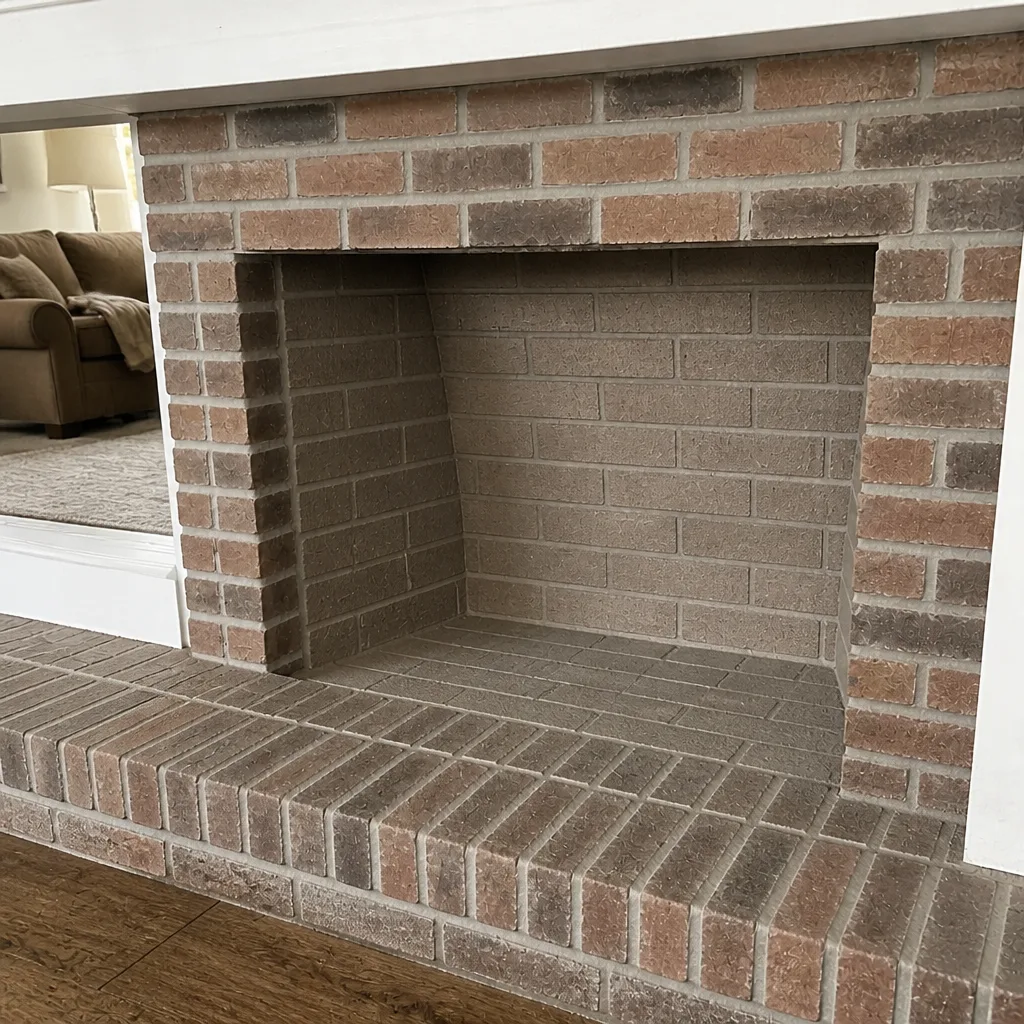
See the difference
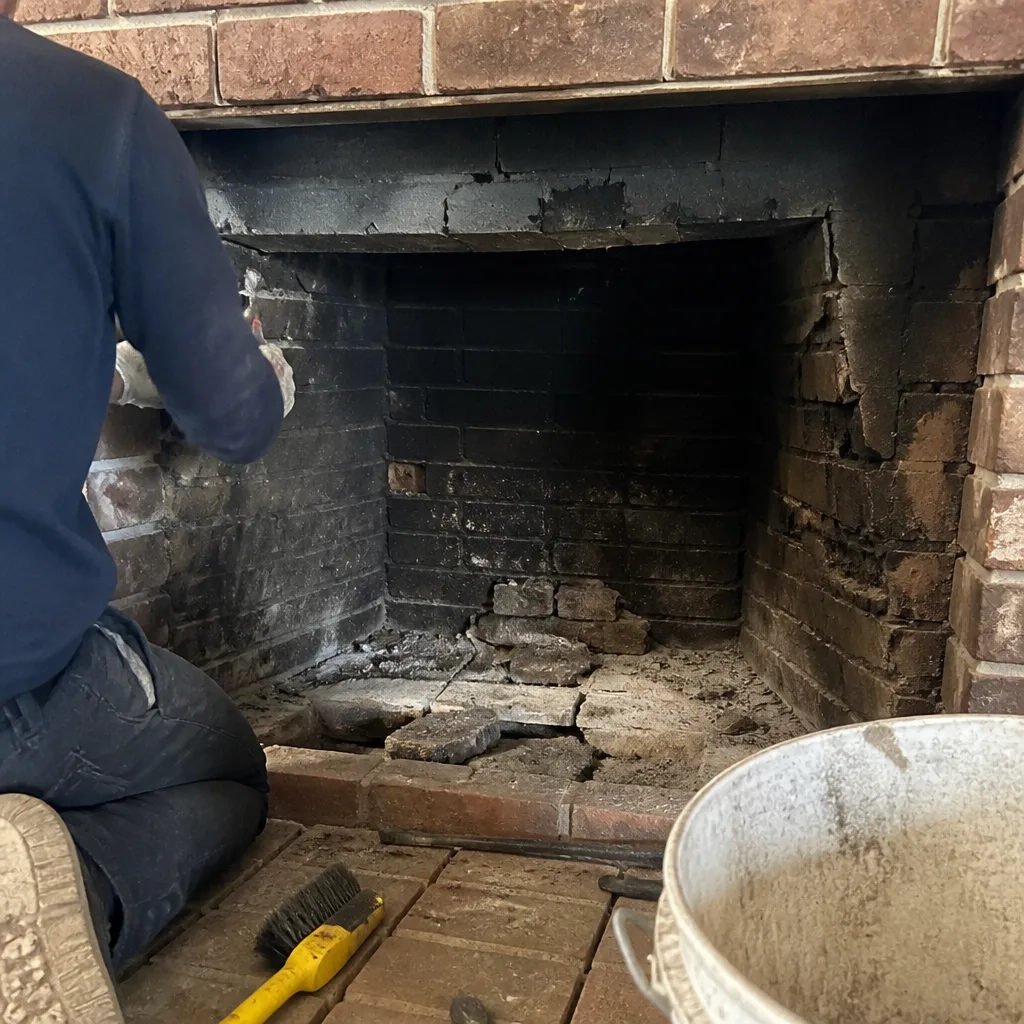 Before
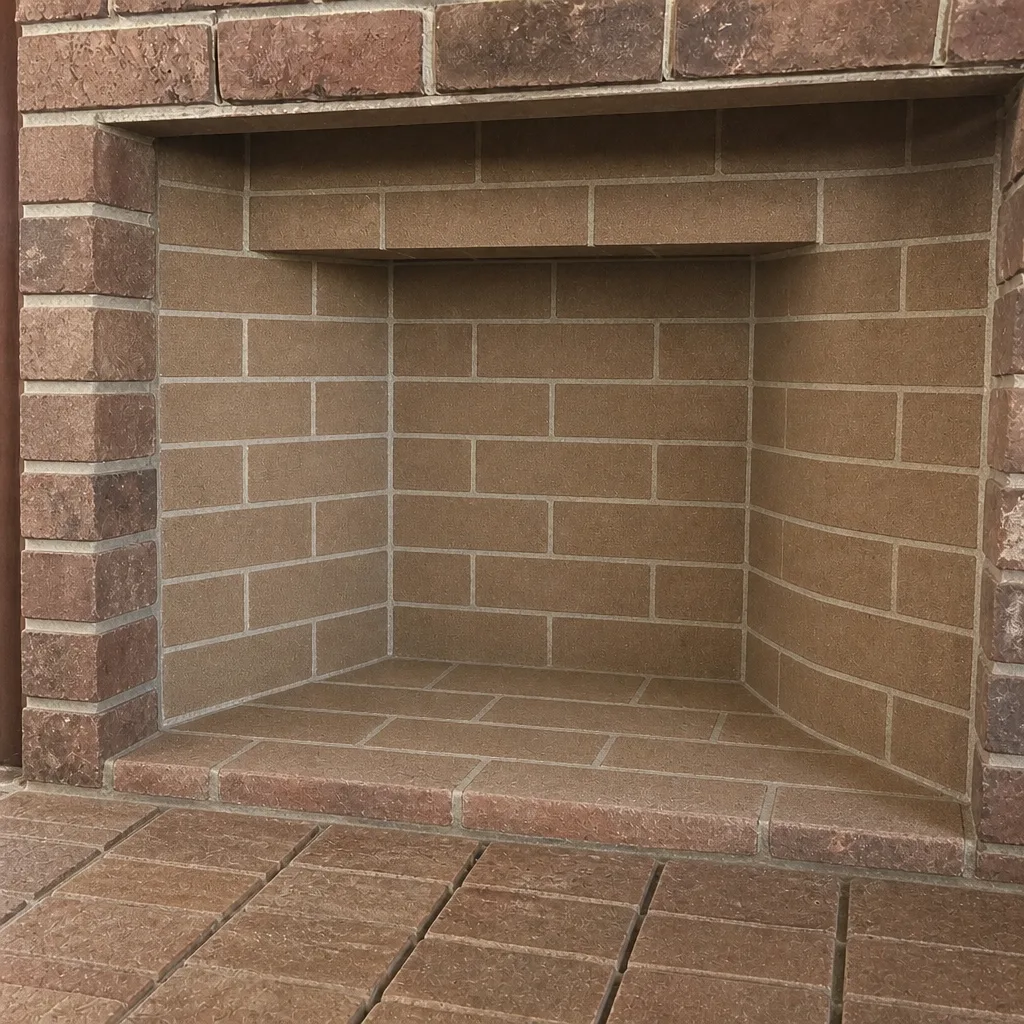 After
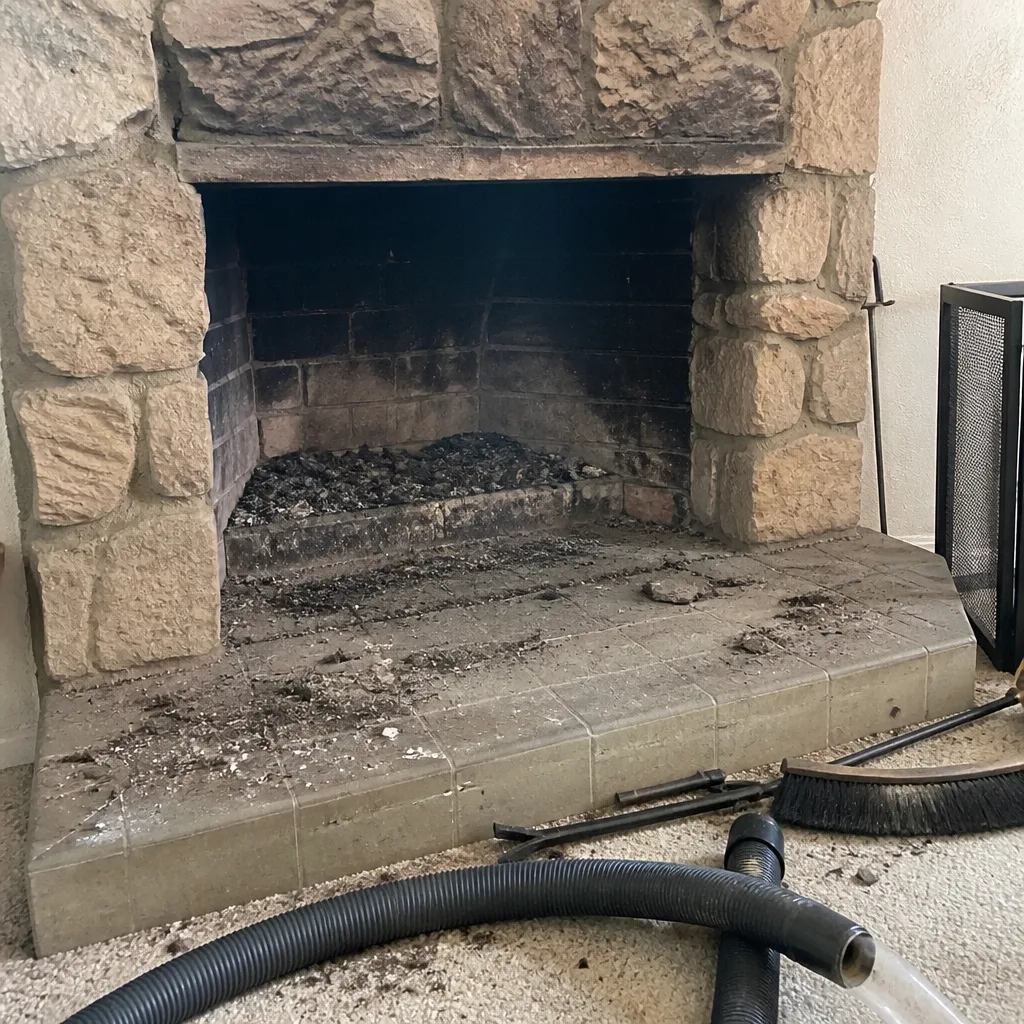 Before
 After
 Before
 After
When to Call a Professional
Call a chimney professional when you smell smoke inside the house with the damper open, when you see creosote glaze or soot staining above the firebox, when the chimney has visible cracks or spalling on the exterior, when water is getting in around the crown or flashing, or when it’s been more than a year since the last sweep. Other triggers: moving into a home with an unknown service history, hearing animals in the flue, noticing a damper that won’t close properly, or planning to switch fuel types. Some of this work involves high temperatures and combustion byproducts, and a trained professional should handle it. Chimney Sweep West Anaheim offers free estimates in West Anaheim. Call (877) 792-7386. We answer 24/7. Fast dispatch from 7am to 7pm, Sunday through Friday.
Frequently Asked Questions
Chimney sweeping in West Anaheim is priced per job by a written estimate after inspection, because the cost depends on flue condition, access, and whether a camera inspection or cap work is included. A basic sweep and a sweep that includes inspection and photo report are different scopes and should carry different estimates. The written estimate sets the final price, and the estimate itself is free. Call (877) 792-7386 for an exact quote.
You need a new liner when the camera inspection shows cracked or missing clay tiles, an unlined flue, glaze-level creosote that sweeping can’t remove, or a liner that doesn’t match the appliance. You don’t need one just because a company says so without evidence. Ask to see the footage, ask for the alloy grade and manufacturer on the quote, and if the work can safely wait, a specialist should tell you that. Call (877) 792-7386 to book an inspection-first estimate.
Most wood-burning fireplaces should be swept once a year, and gas fireplaces should be inspected annually even though they produce far less creosote. In West Anaheim’s mild climate, many homeowners burn intermittently, which can concentrate deposits rather than reduce them. If you can’t remember the last sweep, book one before the next burning season. Estimates are free; call (877) 792-7386.
Skipping annual sweeping allows creosote to build up inside the flue, and creosote is the fuel that chimney fires burn. It also means small problems like cracked crowns or failing liners go undetected until they become structural repairs. The risk isn’t immediate, but it compounds season over season. Call (877) 792-7386 to schedule an inspection and get a clear picture of your system’s condition.
Brands on a repair quote matter because they tell you what product is going into your chimney, at what material grade, and with what manufacturer specification behind it. A quote that names DuraFlex, HeatShield, Gelco, Olympia Chimney, Famco, or Copperfield with model and alloy detail is one you can compare and verify. A quote that says only “chimney repair” isn’t a bid; it’s a guess. Call (877) 792-7386 for a written specification.
Yes. Inspection is available as a standalone service, and we recommend it for real estate transactions, insurance documentation, or any time you want a safety assessment independent of repair recommendations. You get a camera inspection and a photo report you can act on or file, whether or not you hire us for the work. Call (877) 792-7386 to book a standalone inspection.
The Bottom Line
The right chimney company names its products, specifies its alloys, shows you the camera footage, and tells you when work can wait. The wrong one quotes a lump sum for “chimney repair” and hopes you don’t ask. For a West Anaheim homeowner with a fireplace you actually use, the difference between those two experiences shows up in how many years pass before the next big repair. Work with a full-system specialist who carries recognized professional lines, keeps inspection as a standalone service, and puts the material specification in writing. That’s the whole guide in three sentences: clean flue, sound structure, safe fire, and a paper trail that proves it.
Ready to get a free estimate from a full-system chimney specialist in West Anaheim? Call Chimney Sweep West Anaheim at (877) 792-7386. We answer 24/7. Fast dispatch from 7am to 7pm, Sunday through Friday. We inspect before we recommend, show you the evidence, and put the material specification in writing before any work begins.
Written by the team at Chimney Sweep West Anaheim.