
Last updated November 24, 2026
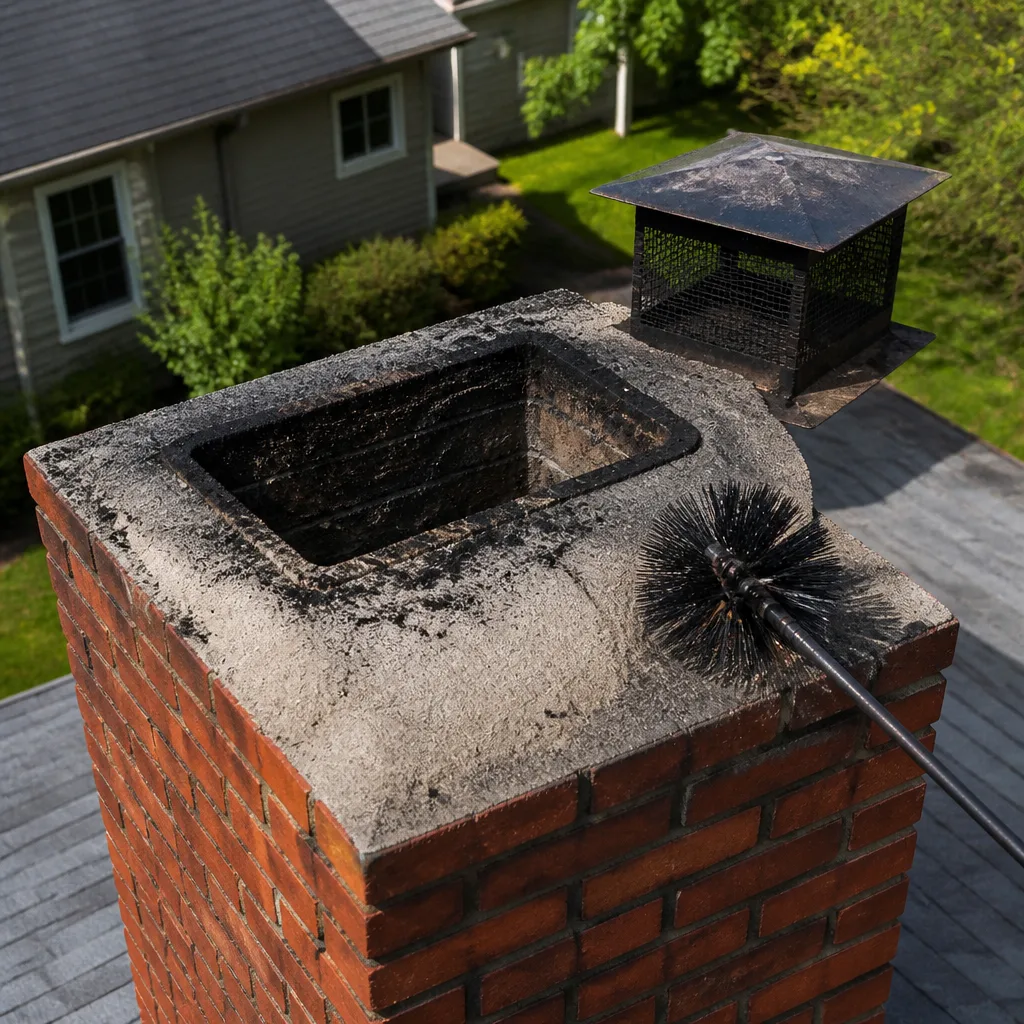 Sweep & inspection
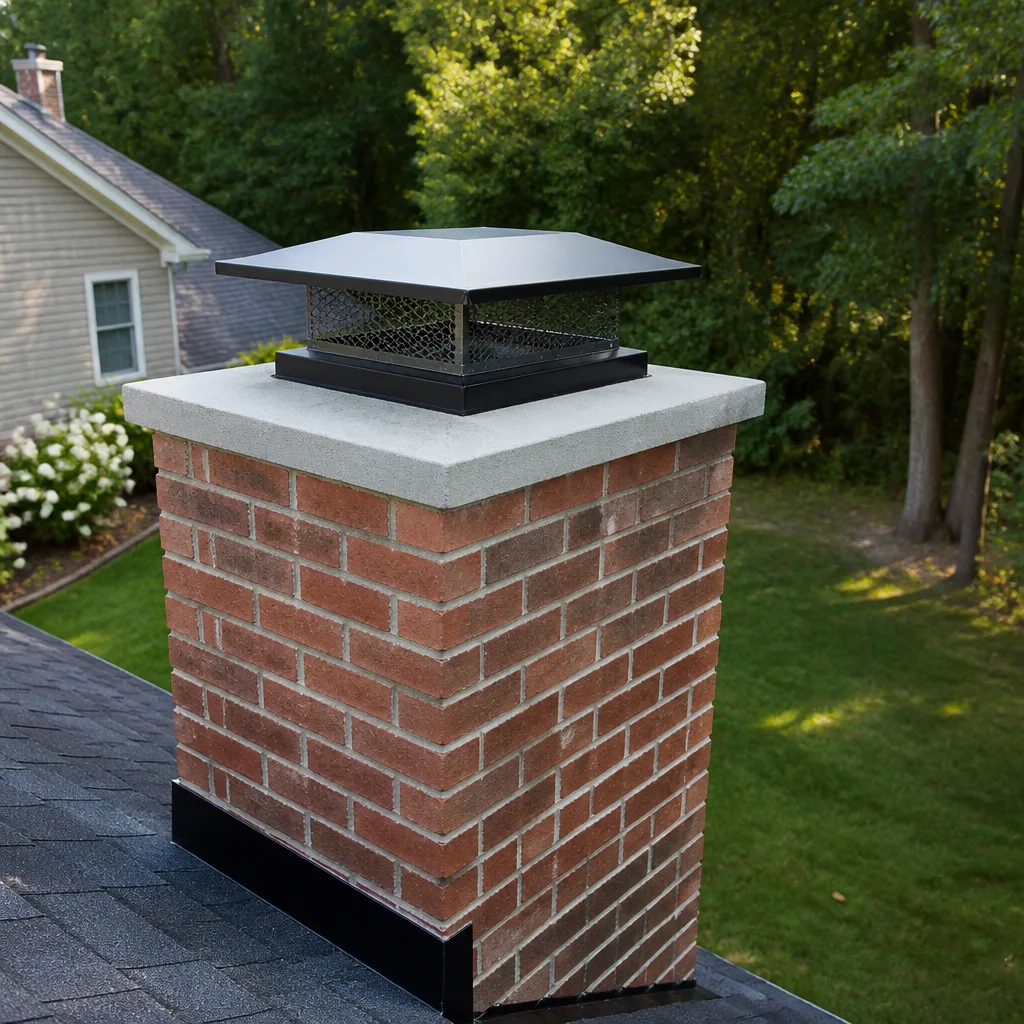 Caps & crowns
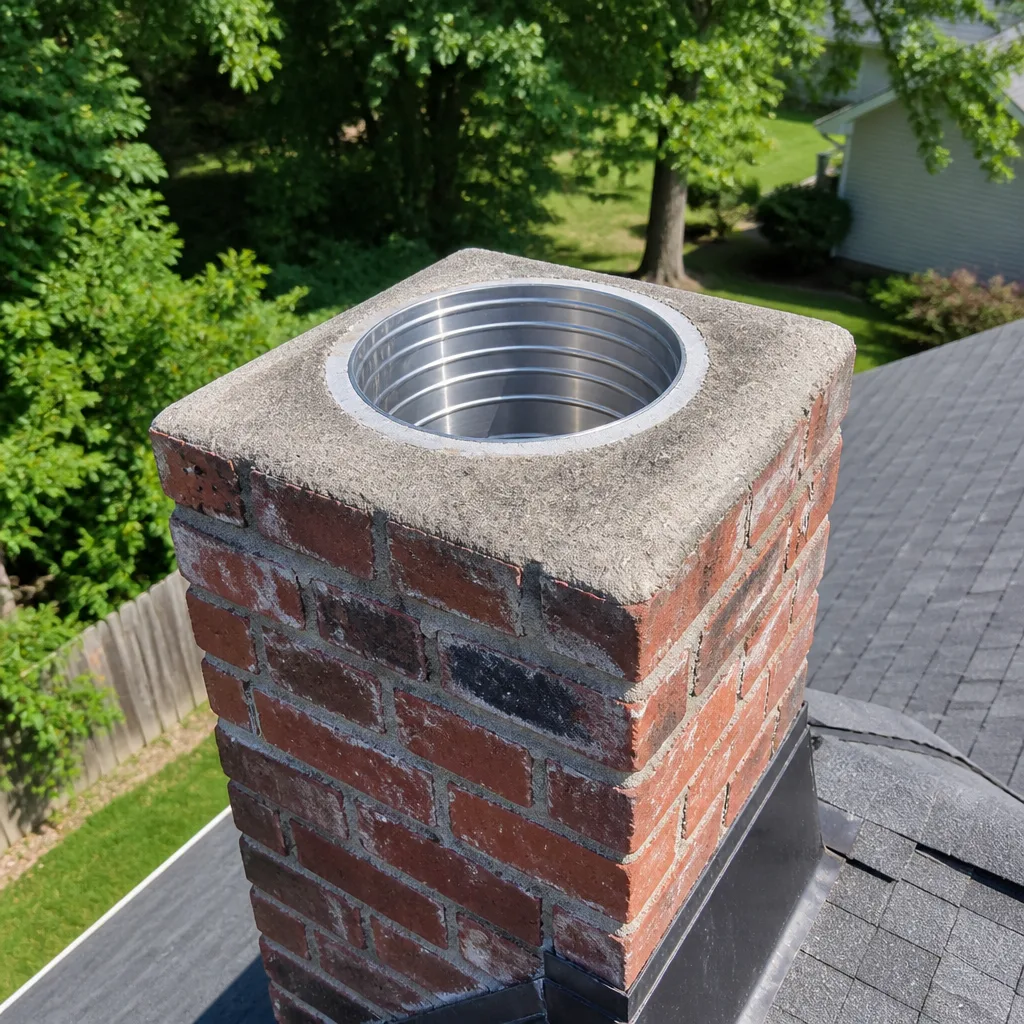 Flue relining
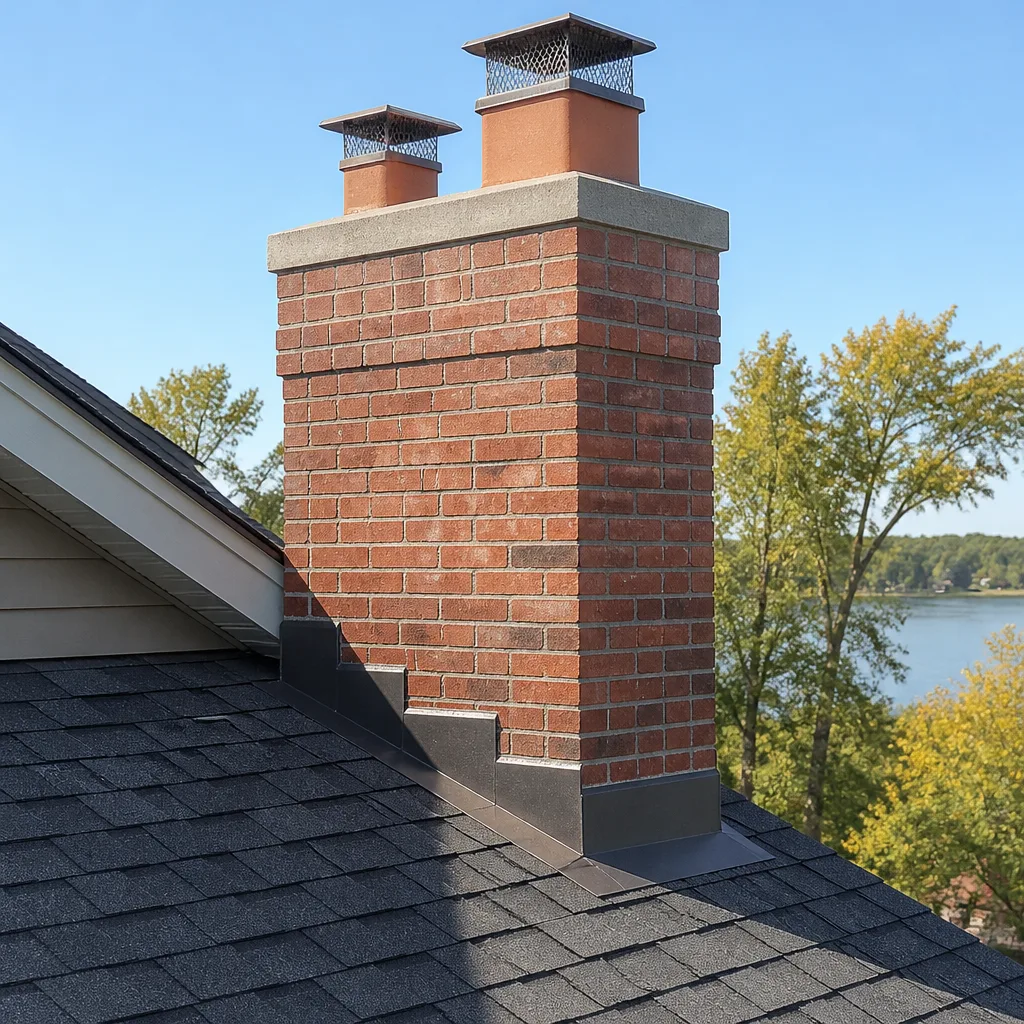 Masonry repair
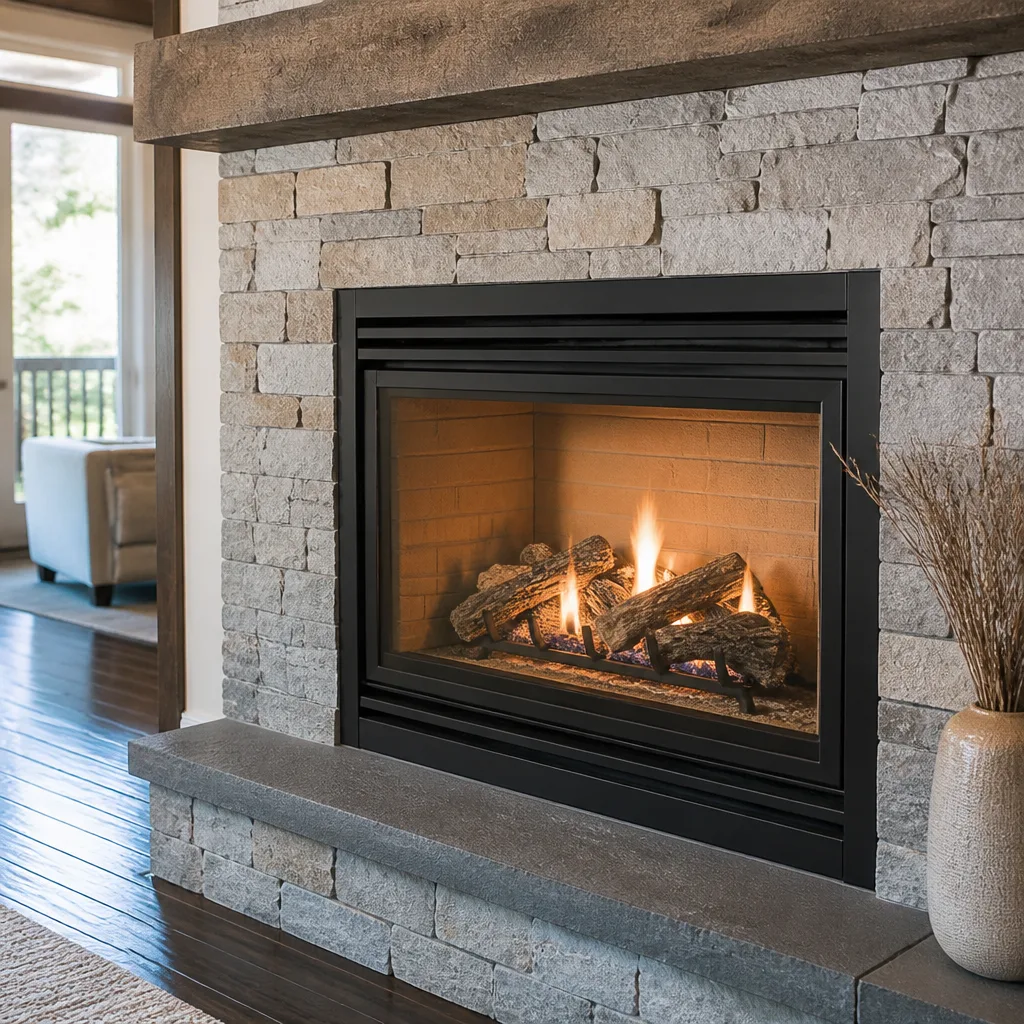 Gas fireplace service
Level 1 sweep and inspection to the NFPA 211 annual standard - flue, crown, cap, and flashing checked and photographed
Chimney sweep logs do not sweep chimneys. They loosen some creosote - which then falls where a brush and vacuum still have to collect it.
The Complete Guide to Chimney Cleaning in West Anaheim
Most West Anaheim homeowners light their fireplace fewer than 15 times a year. You’d think that means the chimney needs less attention. The opposite is true. Light, occasional burning in a mild climate produces a sticky, low-temperature creosote that clings to flue walls and hardens into a glaze that’s genuinely difficult to remove, harder in many cases than the fluffier deposits that form in cold-climate homes burning hot fires every night of winter. Add a housing stock full of 1950s and 1960s tract homes with original masonry, and you have a chimney profile that generic cleaning advice doesn’t address. This guide covers what chimney cleaning in West Anaheim actually involves, what your sweep should be looking at, and how to tell the difference between a real inspection and a sales pitch.
Quick Answer
Chimney cleaning in West Anaheim is an annual sweep of the flue combined with a visual inspection of the full system: firebox, damper, smoke chamber, cap, crown, and exterior masonry. Because most local fireplaces see light, intermittent use, the deposits that build up tend to be sticky and low-temperature rather than dry and fluffy, which means a proper sweep matters even in years when the fireplace barely ran. A flue cleaning and a chimney inspection are two different services, and West Anaheim homes with decorative or rarely used fireplaces benefit from both.
Styles & brands we work with
- Sweep & inspection
- Caps & crowns
- Flue relining
- Masonry repair
- Gas fireplace service
Table of Contents
- Why Light Fireplace Use Causes Sticky Creosote in West Anaheim
- Flue Cleaning vs. Full-System Inspection: What’s the Difference?
- Masonry Chimneys vs. Prefabricated Metal Fireplaces in West Anaheim Tract Homes
- How Local Temperature Swings Affect Mortar Joints and Liners
- Level 1 vs. Level 2 Inspections in Plain Terms
- How a Professional Sweep Actually Works
- The Professional-Grade Materials Behind a Full-System Repair
- When to Call a Professional
Why Light Fireplace Use Causes Sticky Creosote in West Anaheim
Creosote forms when wood smoke cools before it exits the flue. In a cold-climate home with a roaring fire, flue gases stay hot and move fast, and much of what deposits on the walls is dry and brittle. In West Anaheim, where a fireplace might burn for a few hours on a cool evening and then sit unused for weeks, the fire is often small, the flue is often cold at startup, and the smoke lingers. That combination produces a wetter, tackier deposit that bonds to the flue surface.
There are three broad stages of creosote that a sweep will look for:
- Stage 1: Soot and light flaky deposits. Removable with a standard brush.
- Stage 2: Denser, crusty deposits that need more aggressive brushing and sometimes chemical treatment.
- Stage 3: Glazed, hardened creosote that has fused to the flue wall. This is the most stubborn form and the one most associated with chimney fire risk, and it often requires specialized removal techniques or liner replacement.
In our experience, Stage 2 and Stage 3 deposits show up in West Anaheim chimneys more often than you’d expect for the amount of wood burned. The reason is the burn pattern, not the volume. A homeowner who burns green or unseasoned wood, or who damps the fire down overnight, accelerates this. So does a fireplace with a weak draft, which is common in older West Anaheim homes where the chimney was built to original code and the house has since been tightened up with new windows and insulation.
Another local factor: many West Anaheim homeowners use manufactured fire logs more than cordwood. Manufactured logs burn cooler and more evenly, but they still produce deposits, and some leave a tacky residue. If that’s your primary fuel, don’t assume the chimney stays clean because you’re not burning “real” wood. Call the team at Chimney Sweep West Anaheim at (877) 792-7386 for a free estimate on a sweep.
Flue Cleaning vs. Full-System Inspection: What’s the Difference?
This is the question that trips up most homeowners, and it’s where a lot of money gets spent on the wrong thing. A flue cleaning removes deposits from inside the chimney. A full-system inspection evaluates the condition of everything: the firebox, damper, smoke chamber, flue liner, chimney cap, crown, and exterior masonry. Cleaning can happen without inspection, but inspection is what tells you whether the chimney is safe to use.
West Anaheim has a lot of decorative fireplaces, especially in mid-century homes where the fireplace was built more for appearance than for serious heating. Homeowners assume a never-used or rarely used fireplace needs nothing. That’s a reasonable assumption and often wrong. Here’s what a full-system check covers that a cleaning does not:
- The damper opens and closes freely and seals correctly.
- The smoke chamber has no broken parging or gaps that could let smoke and gases escape.
- The flue liner is continuous, free of cracks, and correctly sized for the appliance.
- The chimney cap is intact and the crown is not cracked or spalling.
- The exterior masonry has no loose mortar or spalling brick that could let water in.
- There are no obstructions: bird nests, debris, or an animal that got in through a missing cap.
A house fire doesn’t care whether the fireplace was used once or a hundred times. A cracked liner behind a rarely used firebox is still a pathway for carbon monoxide and heat into the wall cavity. We inspect before we recommend, and we recommend nothing you can’t see evidence for. If your West Anaheim home has a fireplace that hasn’t been looked at in years, the inspection matters more than the sweep.
Masonry Chimneys vs. Prefabricated Metal Fireplaces in West Anaheim Tract Homes
West Anaheim’s housing stock splits into two broad categories, and a sweep approaches each differently. The older masonry chimneys, common in 1950s and 1960s construction, are built from brick and mortar with a clay tile liner. The prefabricated metal fireplaces, common in later tract homes and additions, use a factory-built firebox with a metal flue and a specific list of tested components.
What’s different about masonry
A masonry chimney is a structural element. The sweep checks the interior clay tiles for cracks and gaps at the joints. It checks the mortar joints on the exterior, because a chimney takes weather on all four sides and is often the most exposed part of the house. The crown, the concrete cap at the very top, is a common failure point in older West Anaheim masonry: hairline cracks let water in, and the freeze-free but wet winters here still let that water work into the mortar over time. If the crown is failing, water reaches the flue and degrades it from the inside.
What’s different about prefab
A factory-built fireplace has a metal flue with a specific diameter, and it’s tested as a system with its own components. It cannot be relined with just anything. Many prefab units also have a listed set of clearances to combustibles that must be maintained. When we work on a prefab in West Anaheim and see an aftermarket cap or a mismatched component, that’s a red flag, because a cap that isn’t rated for that flue can change how the appliance drafts. Gelco and Olympia Chimney components are part of how we match replacements to the system that’s actually there. The sweep and the inspection will tell you which category your West Anaheim home falls into if you don’t know.
How Local Temperature Swings Affect Mortar Joints and Liners
Mild winters don’t mean a quiet chimney. West Anaheim’s weather does something specific to masonry: warm, dry days followed by cooler, damp nights, repeated through the fall and winter. That daily cycle causes the masonry to expand and contract slightly, and over years that movement opens hairline cracks in mortar joints and in the crown. The cracks themselves are small. The water they let in is not.
Water is the primary enemy of a masonry chimney. Once it’s inside a mortar joint or behind a clay tile, it weakens the bond, and repeated wet-dry cycles widen the crack. Add the smoke and acidic byproducts of combustion inside the flue, and the interior degrades faster than the outside. This is why a chimney that looks fine from the yard can have a failing liner.
What a sweep checks between cleanings in this climate:
- Mortar joints: soft or crumbling mortar, especially on the chimney’s south and west faces where the sun hits hardest and the thermal swing is greatest.
- Spalling brick: brick faces that flake or pop off, a sign moisture is inside the brick.
- Crown condition: cracks wide enough to catch a fingernail, or a crown that’s pulling away from the flue.
- Liner integrity: cracked or separated clay tiles, or a metal liner with corrosion or gaps at the seams.
- Cap and flashing: a missing or damaged cap lets rain and animals straight in, and failed flashing at the roofline lets water into the attic.
None of this is meant to alarm. Most of it is routine maintenance that catches problems while they’re cheap to fix. A yearly look at the mortar and liner is why the sweep and the inspection belong together. If you’re seeing white chalky stains on the chimney exterior, that’s efflorescence, a sign of moisture moving through the masonry. It’s worth a look.
Level 1 vs. Level 2 Inspections in Plain Terms
Chimney inspections are classified in three levels, and most homeowners only ever need the first two. Here’s what each means without the trade jargon.
Level 1 inspection
A Level 1 inspection is a visual check of the readily accessible parts of the chimney and fireplace: the firebox, damper, flue from the firebox, and the accessible exterior. No special tools beyond a flashlight and basic equipment. It’s what’s appropriate when the chimney is in continued service and nothing has changed. If you burn your fireplace every year and have it swept regularly, a Level 1 is typically the baseline. If you want a formal safety assessment you can act on independently, whether for a home sale, an insurance requirement, or your own records, our Chimney Sweep West Anaheim team offers inspection as a standalone service.
Level 2 inspection
A Level 2 inspection goes further. It includes everything in a Level 1 plus a video camera scan of the flue and inspection of accessible areas like the attic and crawlspace where the chimney passes through. A Level 2 applies when:
- You’ve just purchased or are buying a West Anaheim home with a chimney.
- The fireplace or its fuel type has changed. A gas insert added to a wood-burning fireplace is a common local example.
- There’s been an event that could affect the chimney: a chimney fire, a nearby seismic event, or a storm that damaged the cap or masonry.
- You’re having a liner installed or replaced, or the chimney is being relined with a resurfacing system.
- Your insurer or a real estate transaction requires a formal report.
Level 3 inspection
A Level 3 inspection is invasive and only happens when a serious problem is suspected but the flue can’t be reached without opening up a wall or removing part of the chimney. It’s uncommon, and a reputable sweep will tell you plainly when it’s actually needed rather than using it as an upsell.
How a Professional Sweep Actually Works
A proper chimney sweep in West Anaheim is a methodical process, not a quick brush. Here’s how a typical job goes, so you know what to expect when a technician arrives.
- Protect the room. Drop cloths over the floor and a sealed cover over the firebox opening keep soot and dust out of the living space. If the first thing a technician does is stick a brush up the flue, that’s a sign the job isn’t being done right.
- Run the inspection. Before cleaning, the sweep checks the firebox, damper, and visible flue for obstructions and condition. This is the inspection-first approach, and it tells the technician what the cleaning is dealing with.
- Sweep the flue. The right brush and the right technique depend on the liner material and the type of deposit. The brush is sized to the flue so it contacts the full circumference without damaging the liner. Stubborn Stage 2 deposits may need chemical treatment to break them down first.
- Clean the firebox and smoke shelf. Soot accumulates on the shelf behind the damper. It’s part of a proper clean, not a bonus.
- Vacuum with a HEPA setup. A professional-grade vacuum with a filter keeps fine soot out of the home. Household vacuums make the problem worse.
- Document the findings. Photos and notes from the inspection go to you. If there’s a crack in the liner or a failing crown, you see it.
- Recommend, not pressure. Anything the sweep finds gets explained: what it is, what it means, whether it can wait, and what a fix involves.
Our technicians have up to 15 years of experience, and they’ve seen what a West Anaheim chimney looks like after a decade of intermittent use. If you want a chimney sweep that goes beyond a surface brush, call (877) 792-7386. We answer 24/7. Fast dispatch from 7am to 7pm, Sunday through Friday.
The Professional-Grade Materials Behind a Full-System Repair
A chimney is a connected system: the firebox, the flue, the cap, and the exterior masonry all affect each other. That’s why we work with a curated set of professional-grade product lines. Not because brand names impress anyone, but because a cap that isn’t rated for the flue, or a liner that isn’t matched to the appliance, creates a new problem. These products are what certified chimney professionals use, and the difference shows up in the details.
- HeatShield: a liner resurfacing system that restores a damaged flue from the inside without a full rebuild. This is technically advanced work that most sweep-only companies can’t do. It’s how we address a cracked clay tile liner when the structure itself is sound.
- DuraFlex: flexible stainless liner systems for relining a chimney with a continuous, correctly sized flue. This is core to a full-system repair when the original liner is beyond patching.
- Gelco and Olympia Chimney: components for caps, venting, and the parts that connect a chimney system to a specific appliance. Matching these matters, especially on prefabricated fireplaces.
- Famco and Copperfield: trusted components for caps, crown work, and venting that hold up to weather and keep the chimney sealed.
Because a chimney is a system, a failing cap or crown can shorten the life of a good liner, and a good liner can’t compensate for a cap that lets water in. That’s why our approach covers cleaning, cap and crown work, and repair in one place. One call covers sweep, cap, crown, liner, and repair, so you’re not coordinating a sweep, a mason, and a metalworker for one chimney. Our chimney cap & crown work handles the top of the system while the sweep handles the inside. When something below the cap fails, fireplace repair addresses the firebox and damper.
A clean flue is only one part of a safe system. Sound structure and a properly sealed top matter just as much.
Common Mistakes to Avoid
We’ve seen these repeatedly in West Anaheim, and each one costs the homeowner more than doing it right the first time.
- Skipping the sweep because you barely used the fireplace. Light use in a mild climate produces the tackiest creosote, not the least. A yearly look matters more, not less, when the fire is occasional.
- Treating a cleaning as an inspection. A brush in the flue doesn’t tell you whether the liner is cracked or the crown is failing. Ask for both, or ask for a standalone inspection.
- Burning unseasoned or green wood to save a few dollars. Wet wood burns cooler, produces more of the sticky Stage 2 and Stage 3 creosote, and gives you less heat. Seasoned wood is cheaper in the long run.
- Covering a missing cap with a piece of mesh or a scrap of material. A cap that isn’t correctly sized for the flue changes the draft and lets water past it. It needs to be the right cap for the system.
- Ignoring a cracked crown because the chimney “looks fine” from the ground. A hairline crown crack lets water into the flue and mortar, and the damage happens from the inside out. It’s the kind of thing that’s cheap to fix early.
- Letting a general handyman sweep the flue. A sweep needs the right brushes, the right vacuum, and the judgment to read what’s in the flue. Access problems and liner damage are the risk.
- Damping the fire down overnight to keep it burning. That smoldering, low-temperature burn is exactly what makes the glazed creosote that’s hardest to remove. Burn hot and let it die.
None of these require a big investment to avoid. They just require knowing the chimney is a system and treating the annual sweep as the checkup, not the whole story.
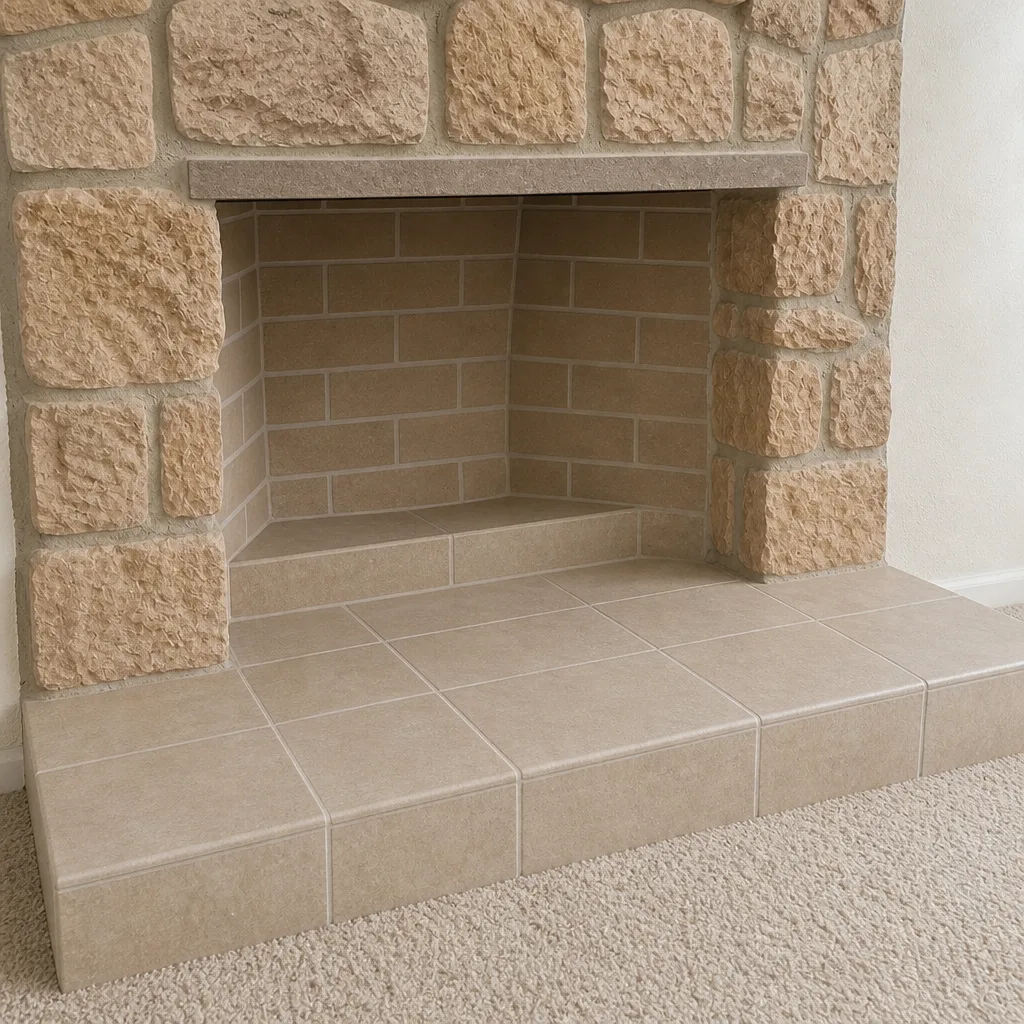
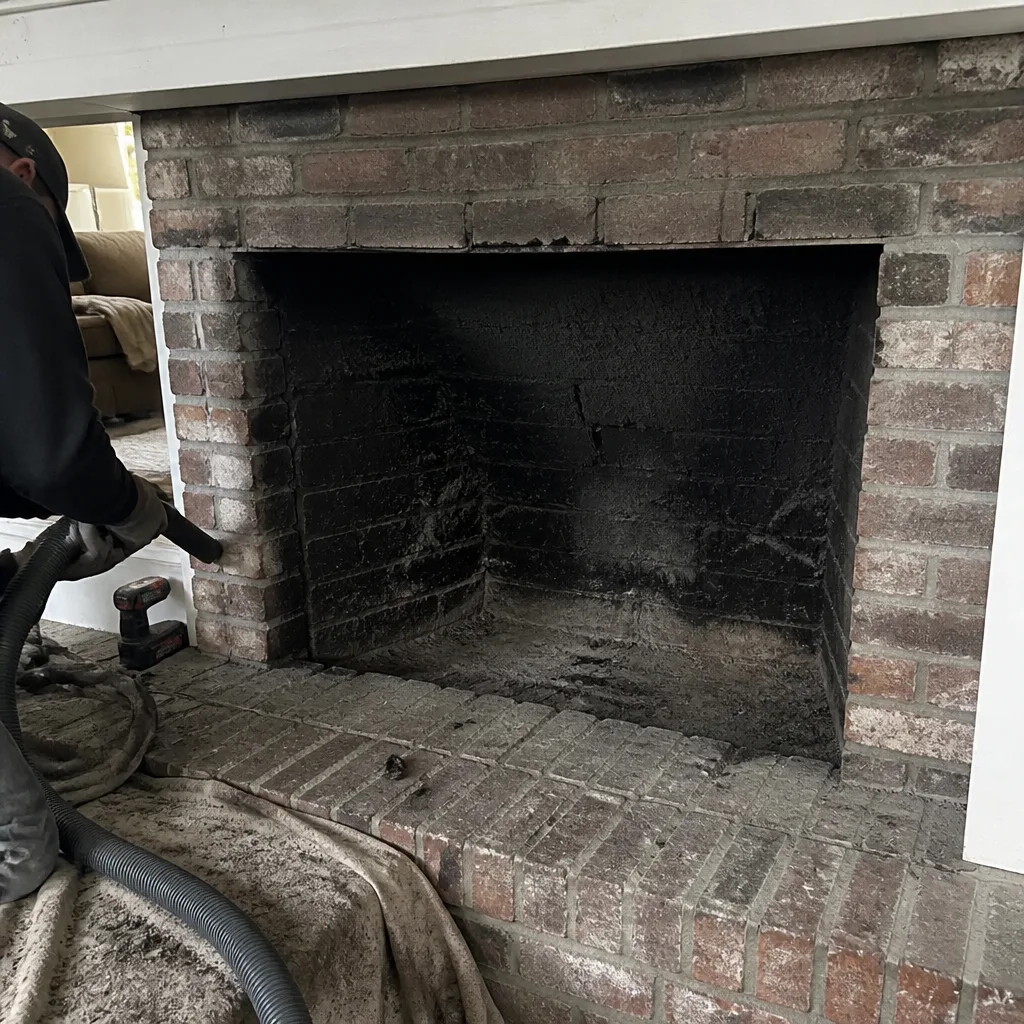
See the difference
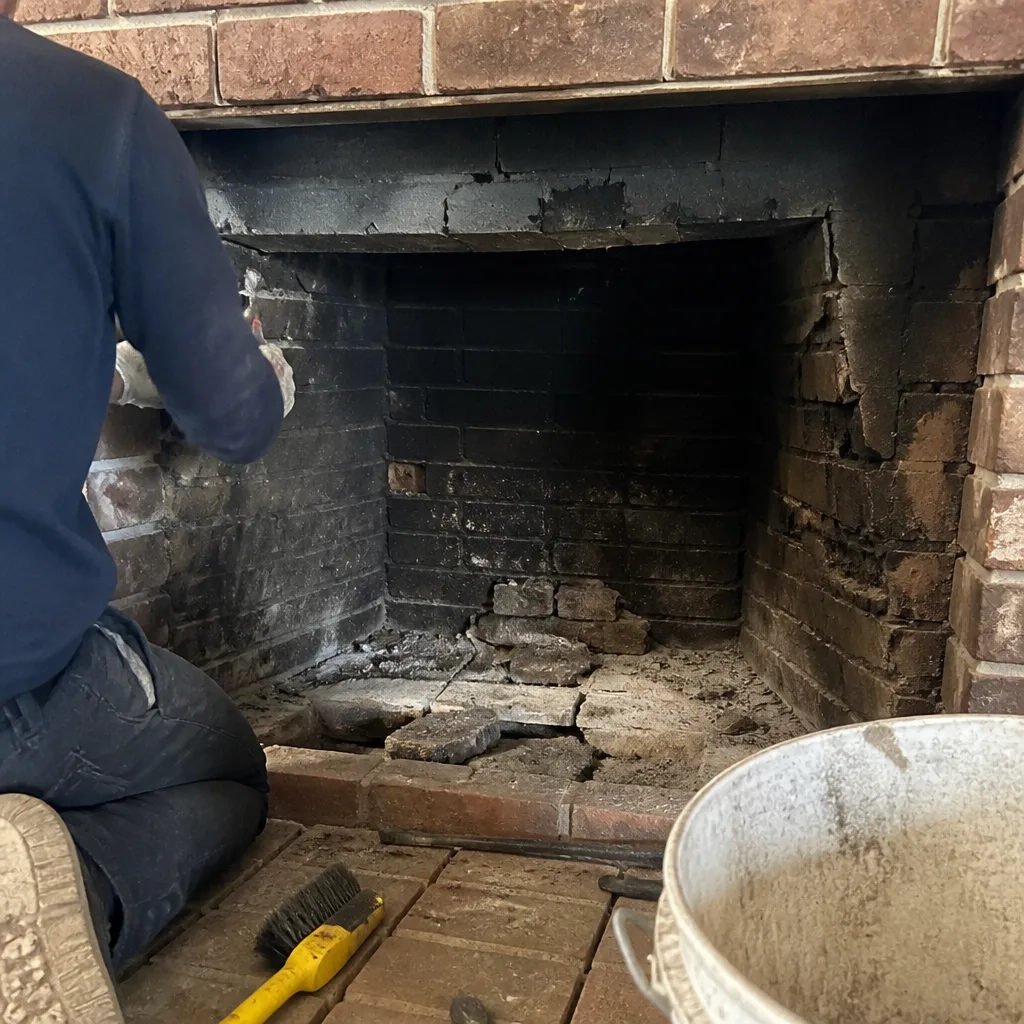 Before
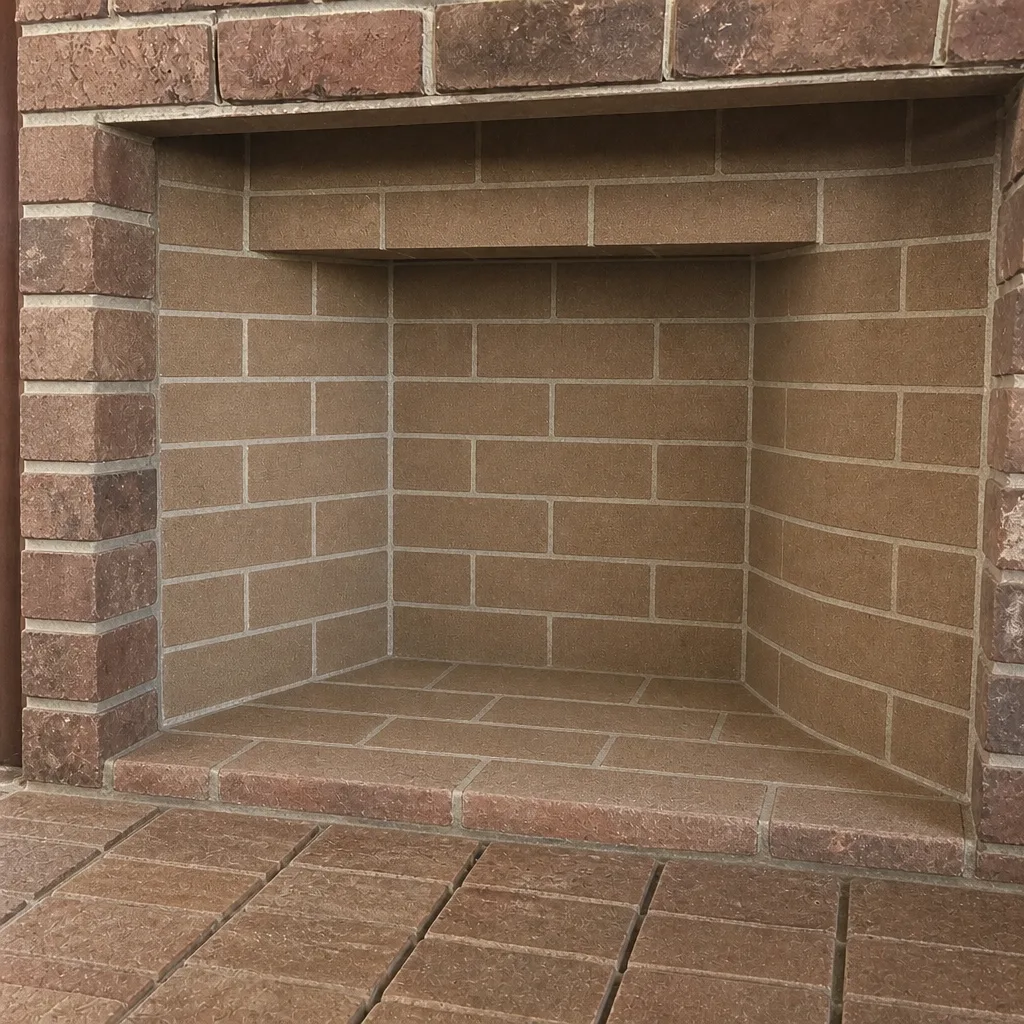 After
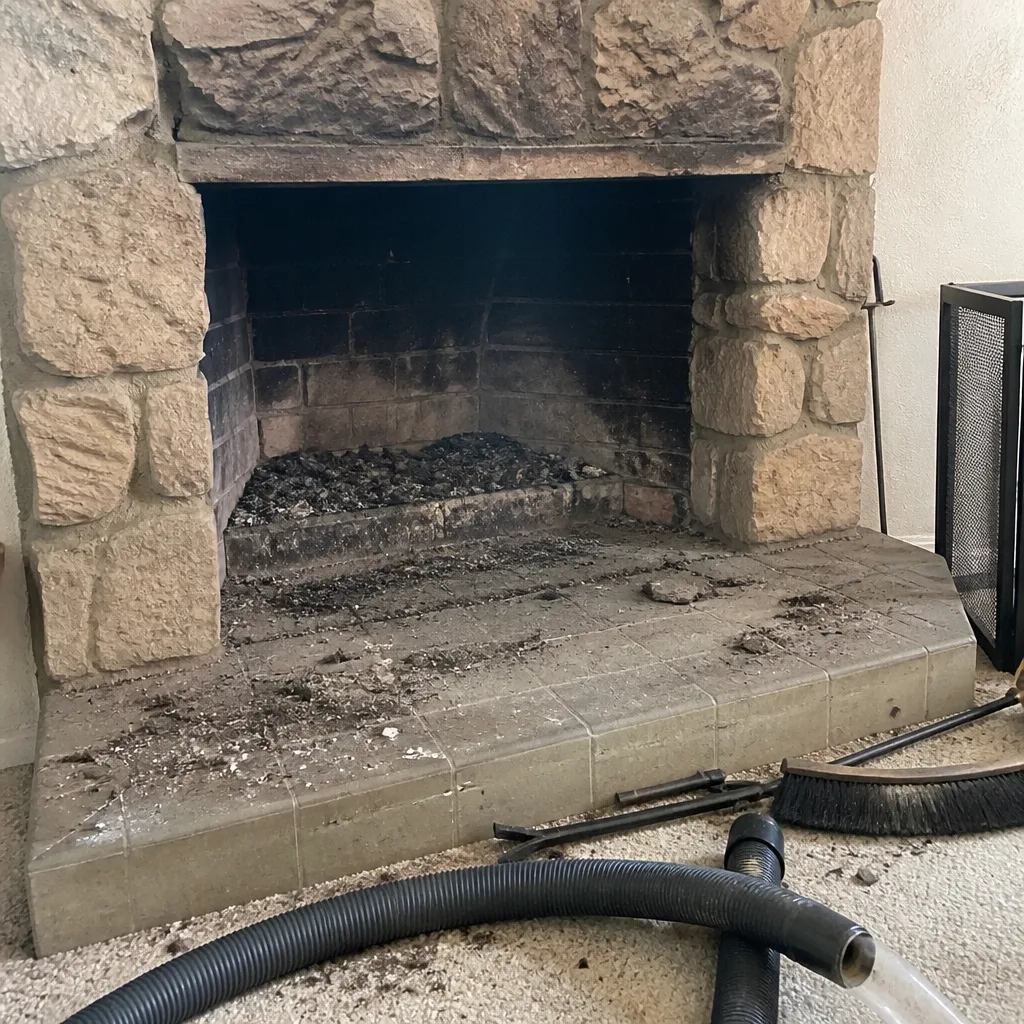 Before
 After
 Before
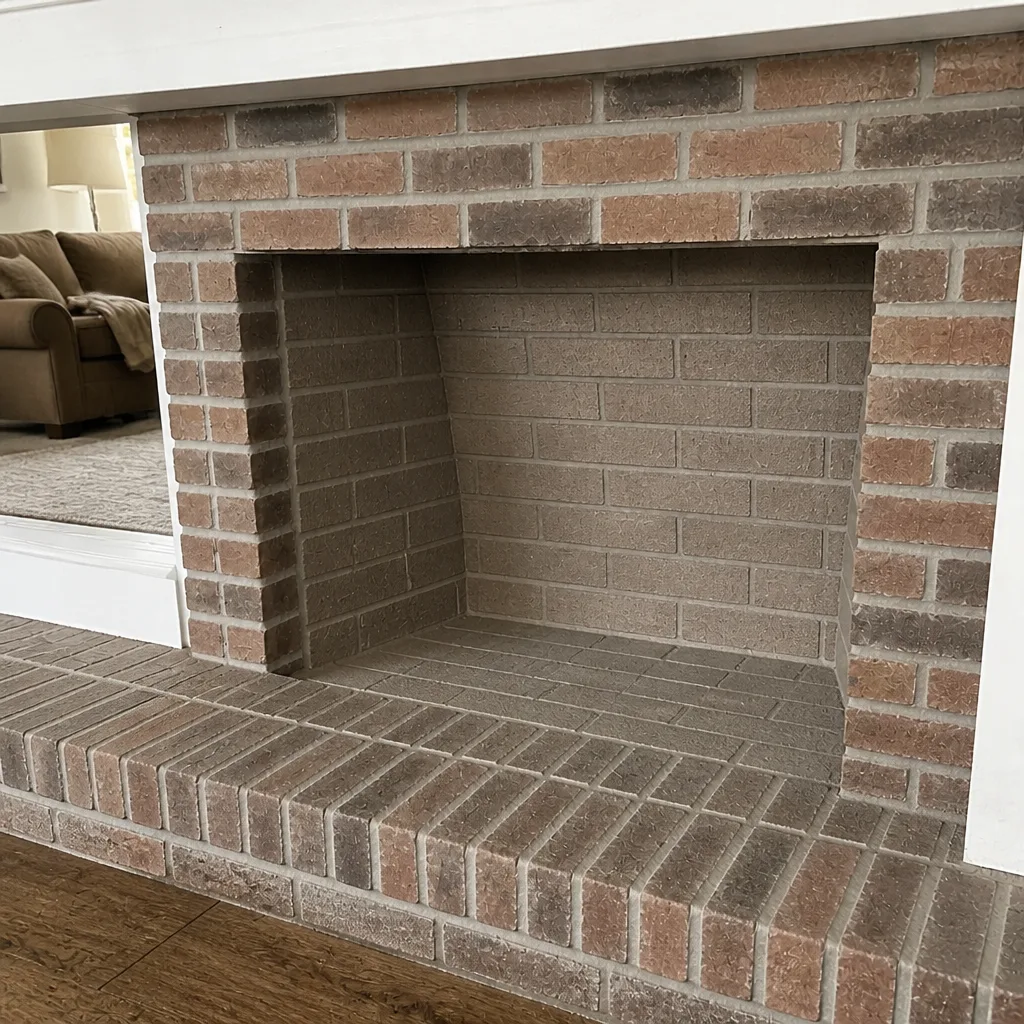 After
When to Call a Professional
Some chimney issues are obvious, and some aren’t. Call a professional when any of these are true. You smell smoke in the house when the fireplace is running, which often points to a draft problem or a failing smoke chamber. You see soot stains above the firebox or on the mantel. The damper doesn’t open smoothly or won’t stay open. The chimney cap is missing or damaged. The masonry is spalling or you see white staining on the exterior. You’re buying or selling a West Anaheim home and need a formal inspection report for the transaction. Or it’s simply been a year since the last sweep, and you burn more than a few fires a season. Chimney Sweep West Anaheim offers free estimates in West Anaheim. Call (877) 792-7386. We answer 24/7. Fast dispatch from 7am to 7pm, Sunday through Friday. A call outside dispatch hours is booked into the next opening, Sunday through Friday, 7am to 7pm.
Frequently Asked Questions
Chimney cleaning in West Anaheim is priced per job by a written estimate, which sets the final price, and we offer free estimates so you know the number before you book. The estimate accounts for your liner type, how much deposit is in the flue, and whether you need a sweep alone or a full-system inspection alongside it. Call (877) 792-7386 for an exact quote. Estimates are free.
Once a year is the baseline for a fireplace in regular use, and for West Anaheim’s mild-climate, low-use fireplaces it’s still the right cadence because infrequent burning produces tacky creosote that builds faster than dry deposit. If you burn more than a few fires a week through the cooler months, or you use manufactured logs heavily, get it checked sooner. If the fireplace truly hasn’t run in years, start with an inspection.
Not always, and we don’t recommend one without evidence you can see. A cracked clay tile liner, or a metal liner with corrosion and gaps, means the flue isn’t containing gases and heat the way it should, and that’s when a reline is needed. Sometimes HeatShield resurfacing restores a sound structure instead of a full replacement. The camera scan is what tells you which applies. Nothing is recommended without camera evidence. Call (877) 792-7386 for an exact quote. Estimates are free.
Creosote builds up in the flue, and the deposits become harder and more glazed over time. Glazed creosote is a fire risk, and the flue also can’t vent as well, which can push smoke into the room. A liner that develops a crack lets carbon monoxide and heat move into the wall cavity, which isn’t a risk to ignore. It’s not about the ugly look. It’s about whether the flue is containing what’s supposed to stay inside it.
Yes. Our inspection service is a standalone offering, not just an upsell attached to a cleaning. That means you can get a formal safety assessment for a home sale, an insurance requirement, or your own records without committing to a sweep. A Level 1 or Level 2 applies depending on whether anything has changed with the home or fireplace.
Yes, a gas fireplace needs service, though the cleaning is different from a wood-burning flue. Gas units can accumulate debris, their venting should be checked, and the firebox and components need inspection. West Anaheim has plenty of gas inserts added to original wood-burning fireplaces, and those merit a Level 2 look because the fuel type changed on the system.
The Bottom Line
Chimney cleaning in West Anaheim is not just soot removal. The mild-climate, intermittent-use pattern here creates a specific creosote problem, and the masonry in older tract homes is exposed to weather swings that open mortar cracks over time. A complete chimney system, properly maintained, means a sweep that clears the flue and an inspection that catches the crown, liner, and masonry issues before they turn expensive. Cleaning and inspection are two services, and both belong in your yearly routine. When work is needed, it should come with photos you can see and an honest answer on what can safely wait. The team at Chimney Sweep West Anaheim is here for the whole system, from sweep to cap to liner to repair. Call (877) 792-7386 for a free estimate. We answer 24/7. Fast dispatch from 7am to 7pm, Sunday through Friday.
Written by the team at Chimney Sweep West Anaheim.