
Last updated November 24, 2026
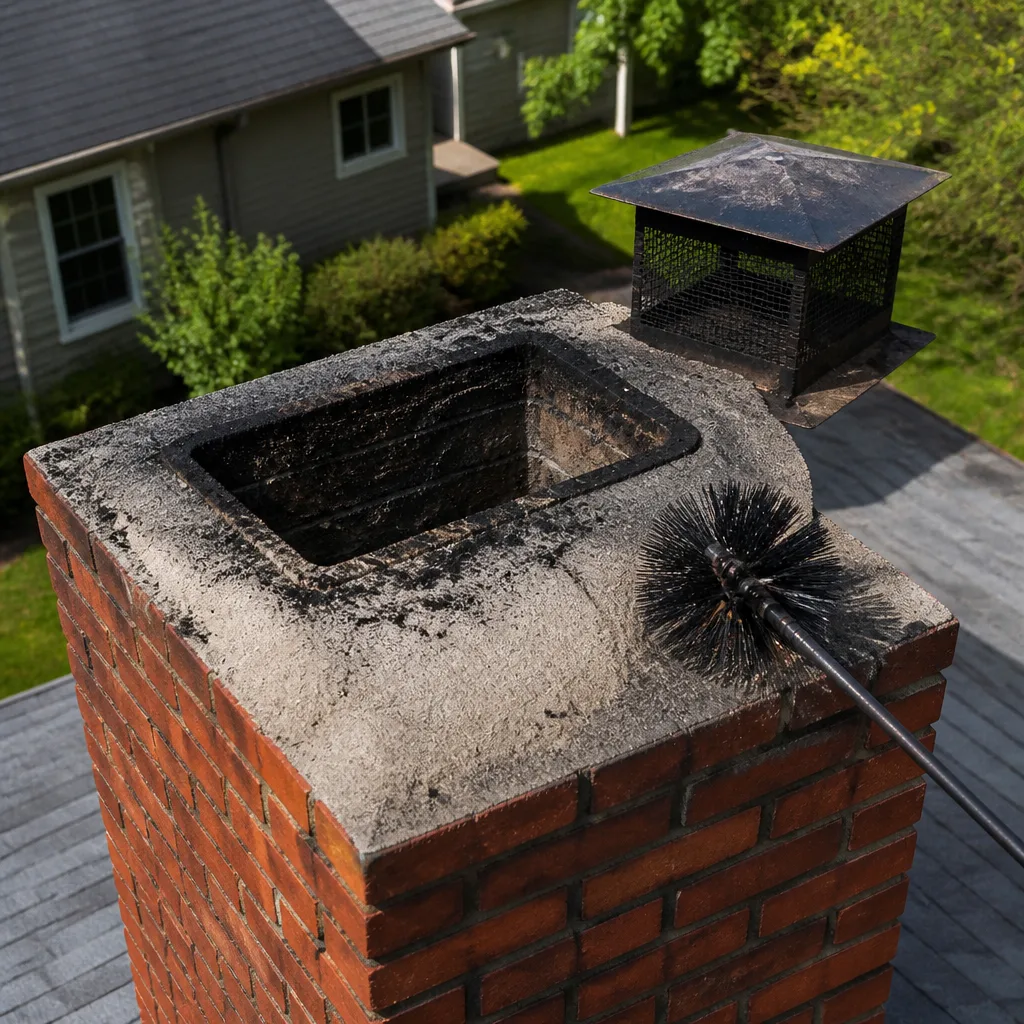 Sweep & inspection
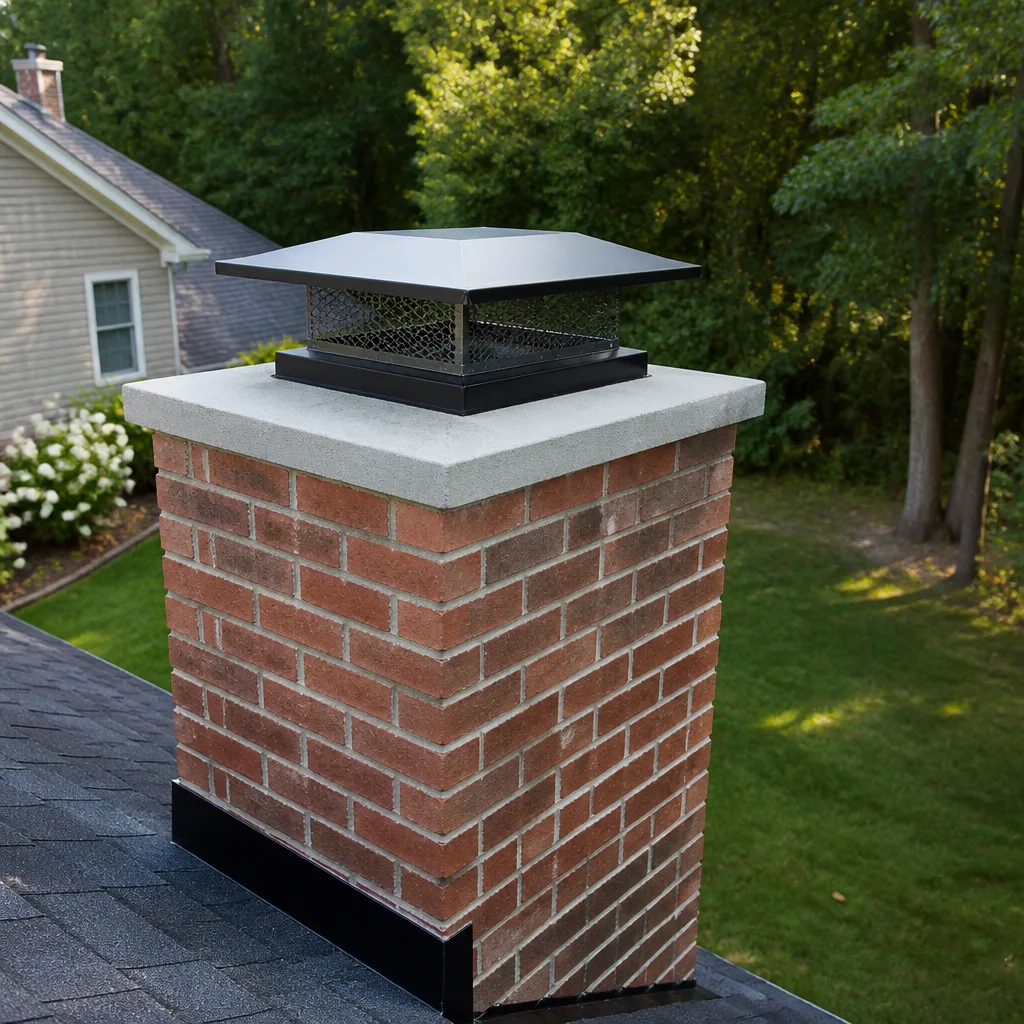 Caps & crowns
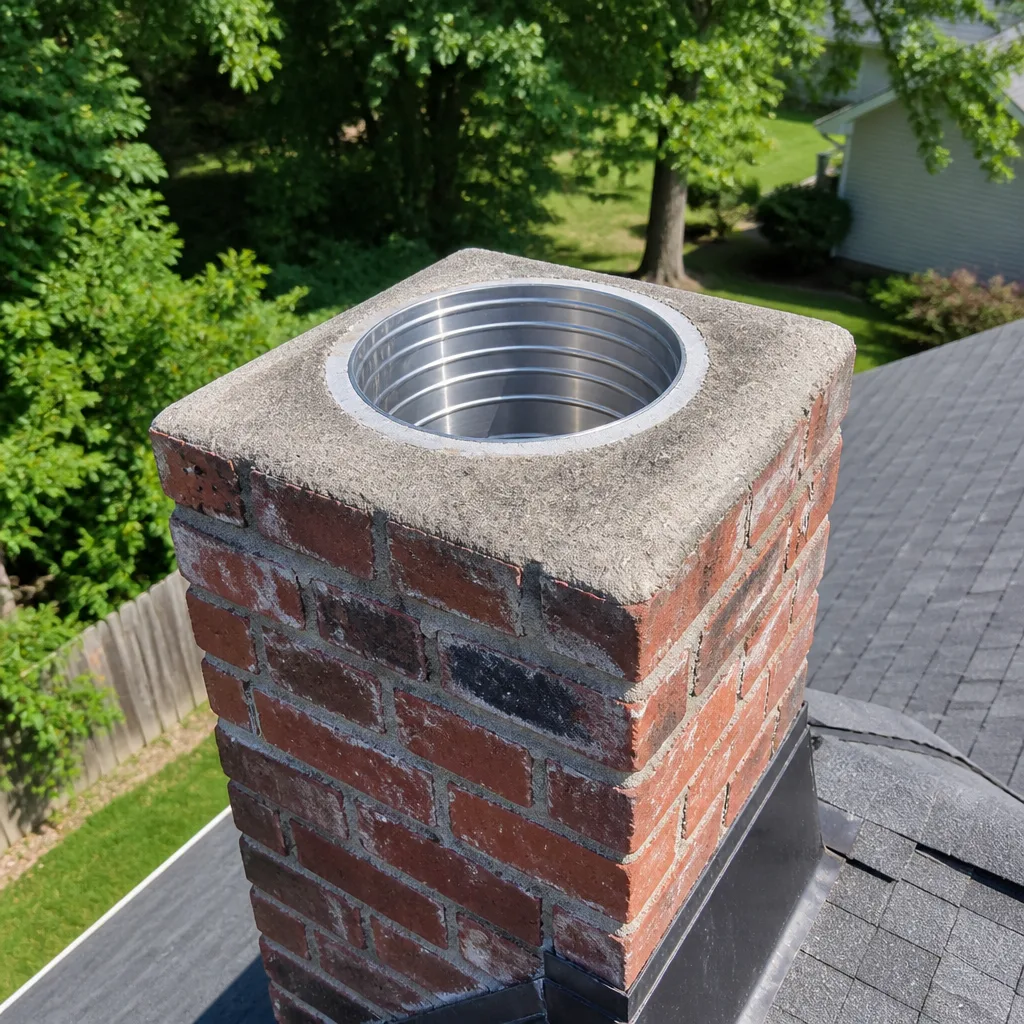 Flue relining
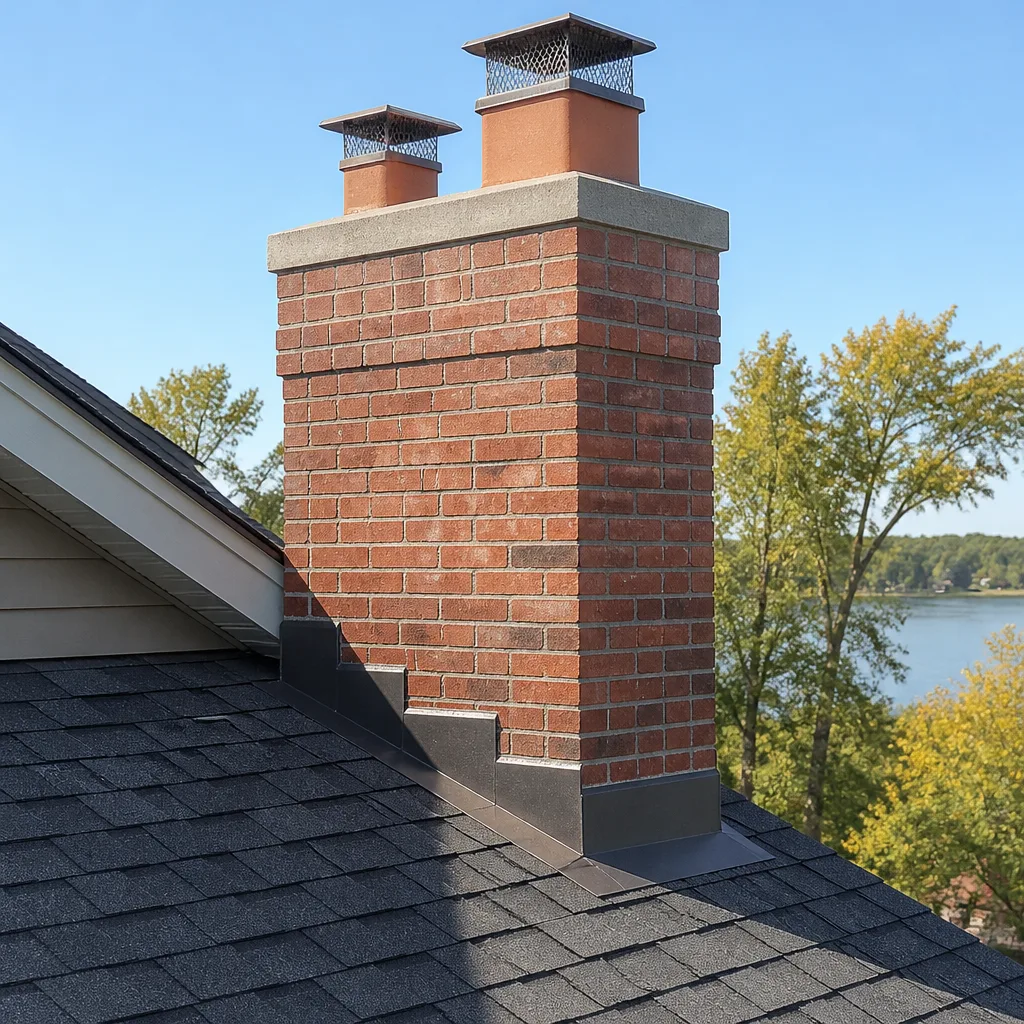 Masonry repair
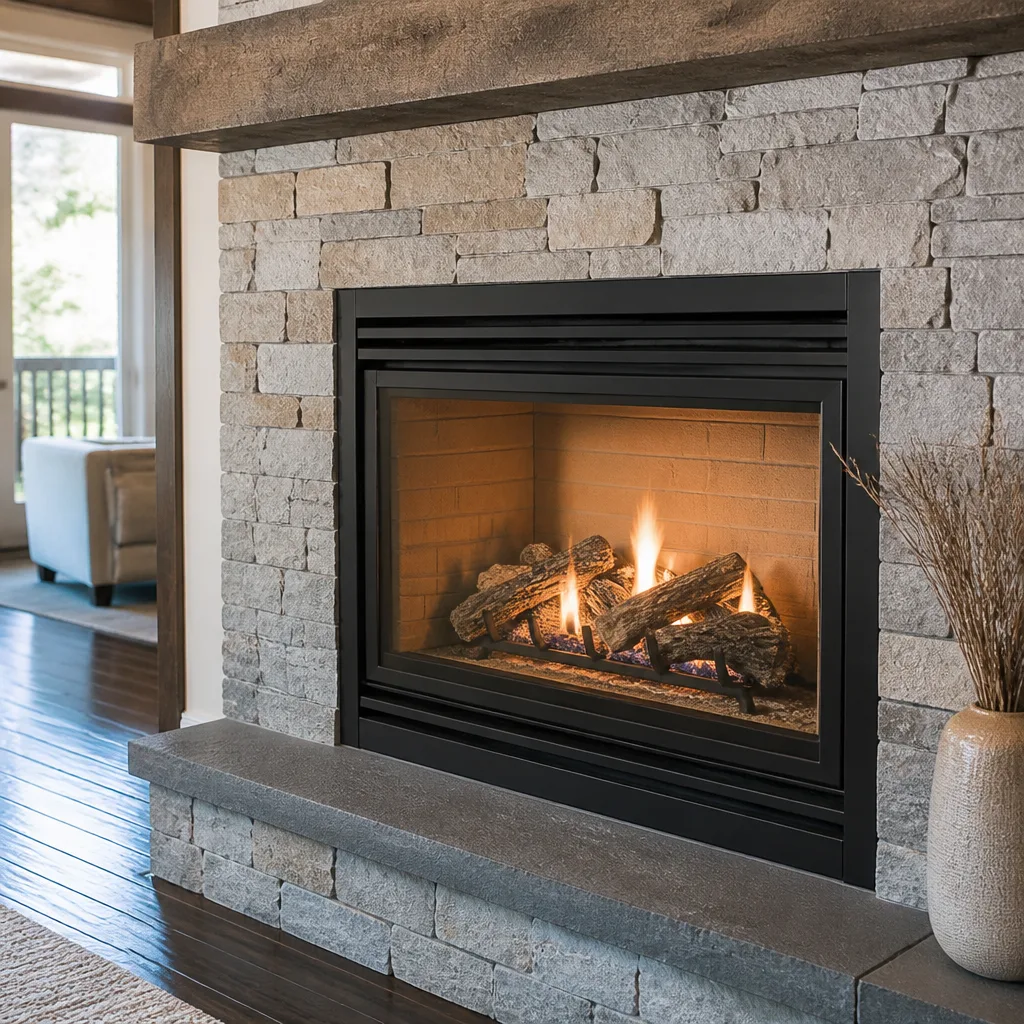 Gas fireplace service
Level 1 sweep and inspection to the NFPA 211 annual standard - flue, crown, cap, and flashing checked and photographed
Chimney sweep logs do not sweep chimneys. They loosen some creosote - which then falls where a brush and vacuum still have to collect it.
Chimney Sweep Maintenance Checklist for West Anaheim Homeowners
Most chimney maintenance advice you’ll find online was written for homes that burn wood four or five months out of the year and spend the rest of it under snow. Apply that calendar to a West Anaheim fireplace that sees maybe six fires a season and you’re maintaining on the wrong schedule. The risk here isn’t a deep creosote load built up over a hard winter. It’s dry heat, UV exposure, and Santa Ana wind events beating on the exterior of a system that rarely gets looked at. This guide gives you a task-by-task maintenance framework built around how a West Anaheim chimney actually ages, what you can check yourself, and the exact conditions that mean you stop using the fireplace until a pro takes a look.
Quick Answer
A West Anaheim chimney should get a professional sweep and inspection once a year even if you only burn a handful of fires, because the real wear comes from UV, thermal cycling, and wind rather than heavy soot. Between visits, run a seasonal checklist: inspect the cap, crown, and flashing in early fall before Santa Ana winds, check the damper and firebox visually, and log photos so you can spot year-over-year changes. Anything that compromises the flue or structure means stop burning until it’s assessed.
Styles & brands we work with
- Sweep & inspection
- Caps & crowns
- Flue relining
- Masonry repair
- Gas fireplace service
Table of Contents
- Why a West Anaheim Chimney Ages Differently
- The Month-by-Month Maintenance Calendar
- Exterior Components That Fail First in Southern California
- What You Can Check Yourself Before Calling Anyone
- What to Document Between Professional Visits
- Red-Line Items: Stop Using the Fireplace vs. Monitor
- What a Proper Annual Sweep and Inspection Involves
- Common Mistakes to Avoid
Why a West Anaheim Chimney Ages Differently
A chimney in West Anaheim doesn’t fail the way a chimney in Minneapolis fails, and the maintenance plan should reflect that. The load here comes from three places: dry summer heat that bakes the masonry and metal, sharp thermal swings between a hot afternoon and a cool night, and Santa Ana wind events that put sustained lateral pressure on caps, crowns, and flashing. Add strong year-round sun and you have a system whose exterior degrades from weather while its interior gets very little use.
That dynamic changes the whole logic of maintenance. In a cold climate, the annual sweep is mostly about creosote accumulation and the fire hazard it creates. In West Anaheim, the annual sweep is just as much a chance to put eyes on the parts you can’t see from the ground: the flue lining, the smoke chamber, the damper assembly, and the crown. Low annual use is not a reason to skip the visit. It’s a reason the visit has a different focus.
There’s also the housing stock. West Anaheim has a lot of mid-century homes with original fireplaces, many of them with masonry chimneys that have been through decades of sun and a few seismic events. We inspect before we recommend, and what we find in older West Anaheim homes is often crown cracking and flashing gaps rather than a heavily sooted flue. Knowing which failure mode is likely lets you spend your attention in the right place.
The Month-by-Month Maintenance Calendar
The generic “get it swept every fall” advice collapses once you map it to an actual Southern California year. Here’s how the tasks line up across the seasons in West Anaheim, in the order they actually matter.
- September – pre-Santa Ana wind exterior check. Before the wind season, look at the cap, crown, and flashing. Loose caps rattle and eventually tear free in a wind event, and a gap in the flashing is where water gets in when the first rain arrives.
- October – pre-wind structural pass. This is the month to have any loose or damaged exterior component addressed, because sustained Santa Ana winds find every weak point. If you’re only going to do one exterior task all year, do it now.
- November – annual professional sweep and inspection. Book the full sweep and inspection before you start burning for the season, so the system is clean and assessed for the fires ahead.
- December through February – burn season monitoring. Use the fireplace as you normally would and note anything unusual: smoke spilling into the room, a damper that’s hard to operate, odd smells. Keep the log going.
- March – post-season interior check. After the last fires, do a homeowner visual on the firebox and damper while it’s dry, and note the condition for the record.
- April through June – dry-season watch on the crown and masonry. Heat and sun are the stressors now. Check for new cracks or crumbling mortar at the crown and along the chimney top.
- July and August – documentation and planning. Review your photos from the past year, note any trends, and schedule the fall sweep so it lands before the wind and rain windows.
You don’t need to be rigid about these months. The point is sequence: exterior prep ahead of wind and rain, the professional visit ahead of burn season, and a homeowner pass after the season closes. A chimney sweep in West Anaheim that fits that rhythm will give you a system that’s ready when you need it and protected when you don’t.
Exterior Components That Fail First in Southern California
In our experience, the parts of a West Anaheim chimney that degrade fastest are all on the outside, and they degrade from sun and thermal cycling more than from anything else. When you understand the three critical components, the annual inspection makes a lot more sense.
The Crown
The crown is the concrete or masonry cap at the very top of the chimney that sheds water away from the flue. Constant sun and the daily expansion and contraction of the material cause hairline cracks that widen over time. A cracked crown lets water into the masonry below, and in a West Anaheim home that water damage is usually hidden until it shows up as stained interior walls or crumbling mortar. When a crown is past repair, a chimney cap & crown replacement restores the top of the system and the water-shedding it’s supposed to do.
The Cap
The cap sits over the flue opening to keep rain, animals, and debris out while letting smoke escape. Wind is the enemy here. A properly secured cap from a line like Copperfield or Olympia Chimney is built to stay put through a wind event; a loose or corroded one is a liability. Check that the cap is snug and the screening is intact, especially in September before the winds pick up.
The Flashing
Flashing is the metal that seals the joint where the chimney meets the roof, and it’s the most common source of leaks. Thermal cycling works the seals loose over the years. If you see lifting, gaps, or cracked sealant at the flashing, that’s water waiting to get in, and it’s worth addressing before the rainy season rather than after.
Professional-grade materials matter here. We work with brands that chimney specialists trust, including DuraFlex and Famco components for cap and venting work, so the repair holds up to the same conditions that caused the original failure.
What You Can Check Yourself Before Calling Anyone
You don’t need tools or training to catch the majority of developing problems. A few simple observations before you call go a long way toward helping a technician know what to look for. Here’s what to check, as observation only. Never reach into a firebox you can’t fully see, and never attempt to clean a flue yourself.
- The cap from the ground. Binoculars work. Is it sitting flat and level, or tilted? Is the screening intact? A tilted or missing cap is a clear red flag.
- The top of the chimney from a safe vantage. Look for visible cracks in the crown or crumbling mortar at the top. Don’t climb onto the roof to do this.
- Damper operation. With no fire and a cold firebox, open and close the damper several times. It should move smoothly and seal flat. A stiff or stuck damper is worth a professional look.
- Firebox condition. Shine a light inside and look for loose bricks, cracked mortar joints, or gaps in the firebrick. These are structural, not cosmetic.
- Smoke behavior when burning. A fire that spills smoke into the room instead of drawing up the flue is a sign of a problem. Note when it happens.
- Interior warning signs. Water stains on the ceiling or walls near the chimney, or a musty smell, point to a leak that needs attention.
If a firebox has loose or cracked firebrick, that’s not a “keep using it and see” situation. That’s a fireplace repair conversation with a professional, and it’s one worth having before the next fire.
What to Document Between Professional Visits
The single most useful habit for a West Anaheim homeowner is a simple photo and log system. Chimney problems develop slowly, and a technician who can see a photo from last year next to one from this year can spot a change that’s invisible in a single visit. You don’t need anything fancy: your phone camera and a notes app.
- Shoot the same four angles every time. The cap, the crown, the flashing at the roofline, and the firebox interior. Same vantage points, same time of year.
- Date every photo. The phone does this automatically, but label the file by season so it’s easy to pull up.
- Log the burn count loosely. You don’t need an exact number, but a rough sense of how many fires you had this season tells a technician how much creosote to expect.
- Note anything unusual. Smoke spills, damper stiffness, odd smells, water stains. A short note is enough.
- Keep it in one place. A single album or folder, so it’s ready when you book the annual visit.
Bring those photos to your next appointment. In our experience, year-over-year photo comparison turns vague “it looks okay” assessments into specific observations about what’s actually changing on your system. It also helps you decide, with a professional, whether a repair can wait until the next cleaning or needs to happen now.
Red-Line Items: Stop Using the Fireplace vs. Monitor
The most useful part of any checklist is knowing which items are emergencies and which are routine. Here’s how we sort them, so you can too.
Stop using the fireplace until a professional assesses it
- The firebox has loose, cracked, or missing firebrick.
- The damper won’t open, won’t close, or won’t seal.
- The chimney cap is missing or badly damaged, leaving the flue open to the elements and animals.
- Smoke spills into the room when you burn.
- You see water stains, crumbling masonry, or gaps in the flashing.
- There’s any sign of a flue obstruction, like a bird nest or debris.
Monitor and address at the next scheduled cleaning
- Hairline cracks in the crown that aren’t yet letting water through.
- Light surface sooting that’s consistent with your low annual use.
- A cap that’s slightly weathered but still secure and screened.
- Cosmetic mortar wear along the chimney top.
When in doubt, treat it as red-line. A chimney is a system, and a weak exterior component can let water or debris into a flue you thought was clean. One call covers sweep, cap, crown, liner, and repair, so there’s no reason to guess about a borderline item on your own.
What a Proper Annual Sweep and Inspection Involves
A real annual visit is more than running a brush up the flue. Here’s what a proper sweep and inspection should cover, so you know what you’re paying for and what questions to ask.
- A camera inspection. A camera lets a technician see the full length of the flue, the smoke chamber, and the damper assembly. We include a camera inspection and a photo report so you can see exactly what the technician sees.
- A full sweep of the flue. Cleaning removes soot and any debris that’s collected over the season.
- An exterior assessment. The cap, crown, and flashing get checked along with the roof joint.
- A clear recommendation. You should leave the appointment knowing exactly what needs doing, what can wait, and why.
Some homes need liner work, and that’s where brand and method matter. HeatShield is a specialist liner resurfacing system that restores a lining without a full replacement in the right conditions, and it’s a capability many sweep-only companies don’t have. A full-system specialist can also handle a damaged flue with a DuraFlex liner. Inspection service is a standalone offering too, useful when you need a documented safety assessment for a real estate transaction or an insurance question, not just as an add-on to a cleaning.
The best way to find a qualified chimney sweep in West Anaheim is to ask what the visit actually includes. A sweep that inspects before recommending, and shows you the photo evidence, is the one to book. If you want the full picture of what a proper sweep involves, our chimney sweep service covers the sweep, the camera inspection, and the report as one visit.
Common Mistakes to Avoid
- Applying a Midwest schedule to a mild-climate fireplace. Waiting for a “hard winter’s worth” of soot means you skip the visit for years, while the crown and flashing quietly degrade in the sun. The annual visit is about the whole system, not just the soot.
- Ignoring the exterior between visits. Most West Anaheim problems start at the cap, crown, or flashing, not in the flue. If you never look up, you never catch a small crack before it becomes a leak.
- Skipping the sweep because you only burned a few times. Low use is not a reason to skip a year. It’s a reason the visit focuses on structure and liner condition instead of creosote volume.
- Hiring a general handyman for flue work. A chimney is a system with its own materials and standards. A generalist with a brush can clean a flue, but can’t assess a liner, crown, or flashing the way a specialist can.
- Putting off a red-line item until “next time.” A cracked firebox or a stuck damper doesn’t fix itself, and burning through it can turn a small repair into a structural one.
- Not documenting anything. Without photos and notes, every visit starts from zero, and a slow-developing problem looks like it just appeared.
- Assuming a clean flue means a safe system. A clean flue with a cracked crown and loose flashing is still a leaking system. Clean flue, sound structure, safe fire is the standard to hold.
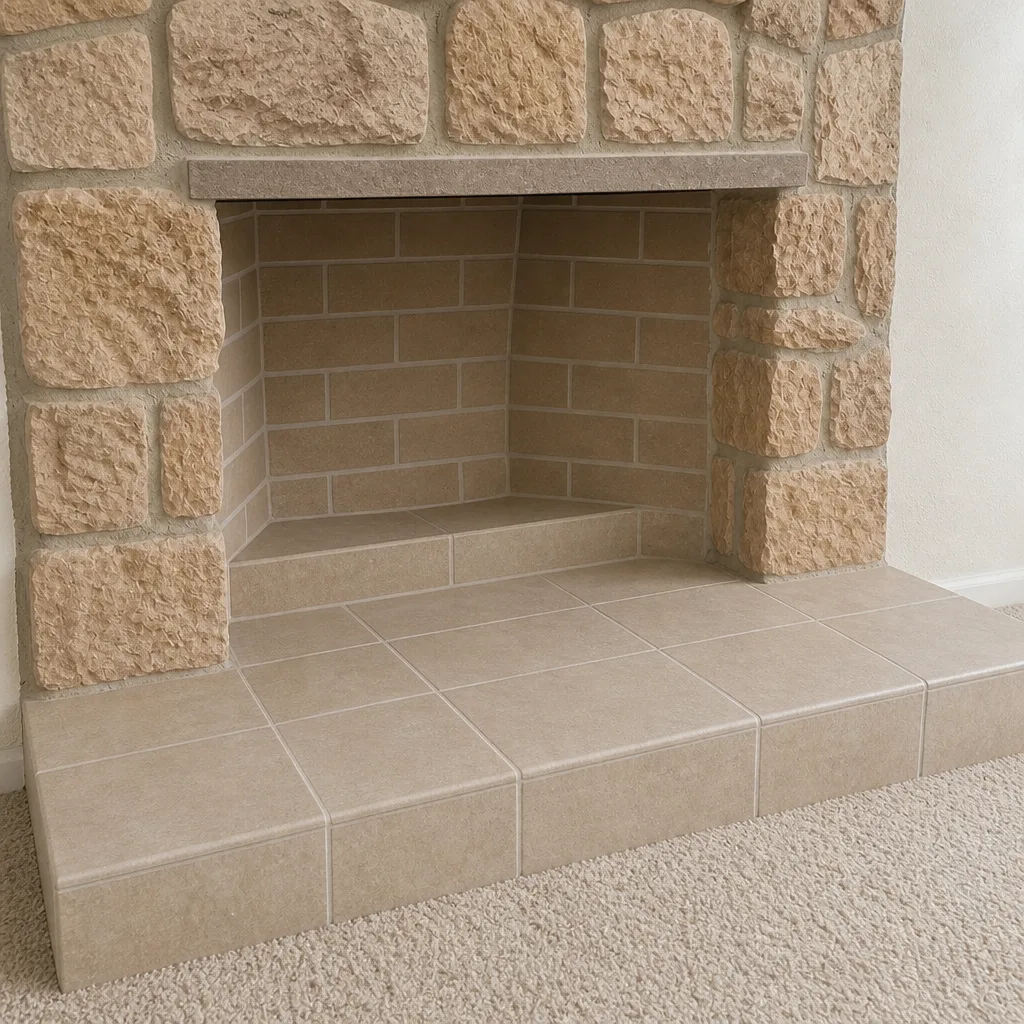
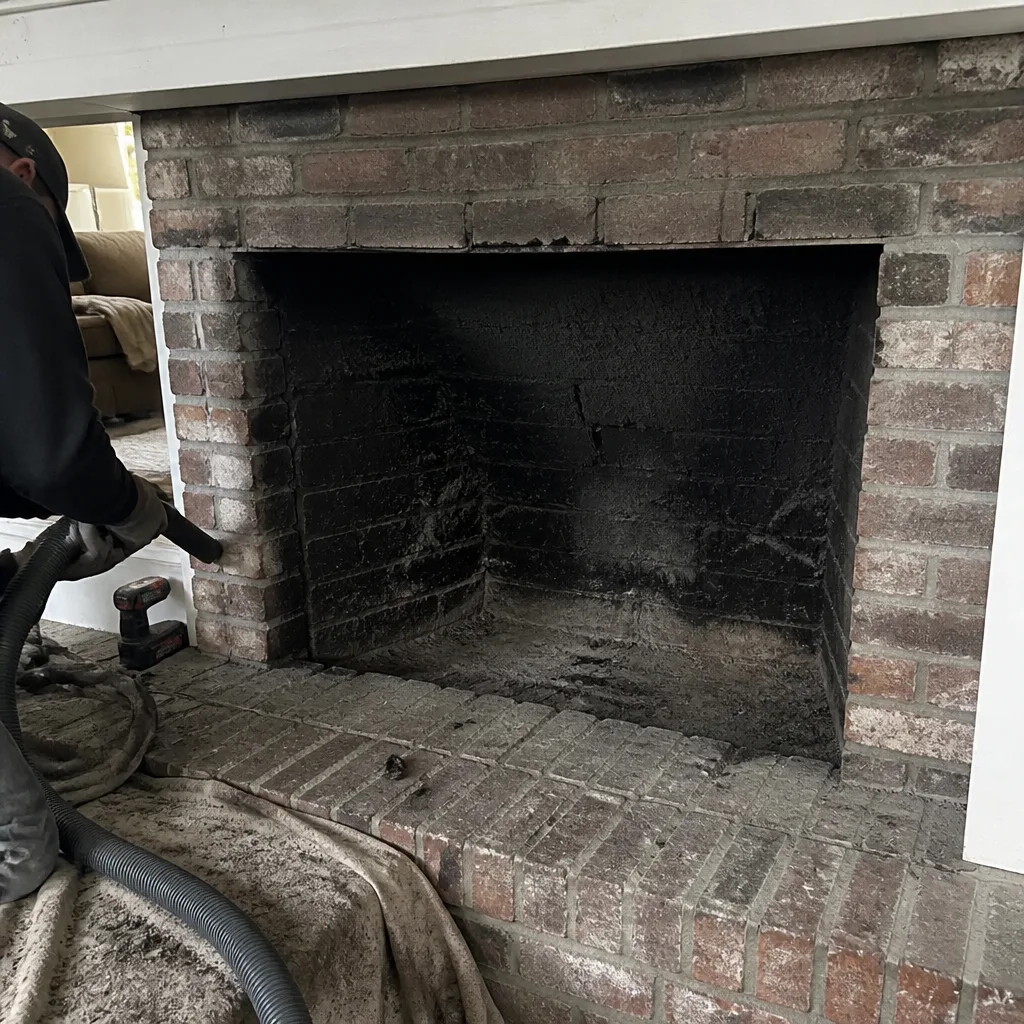
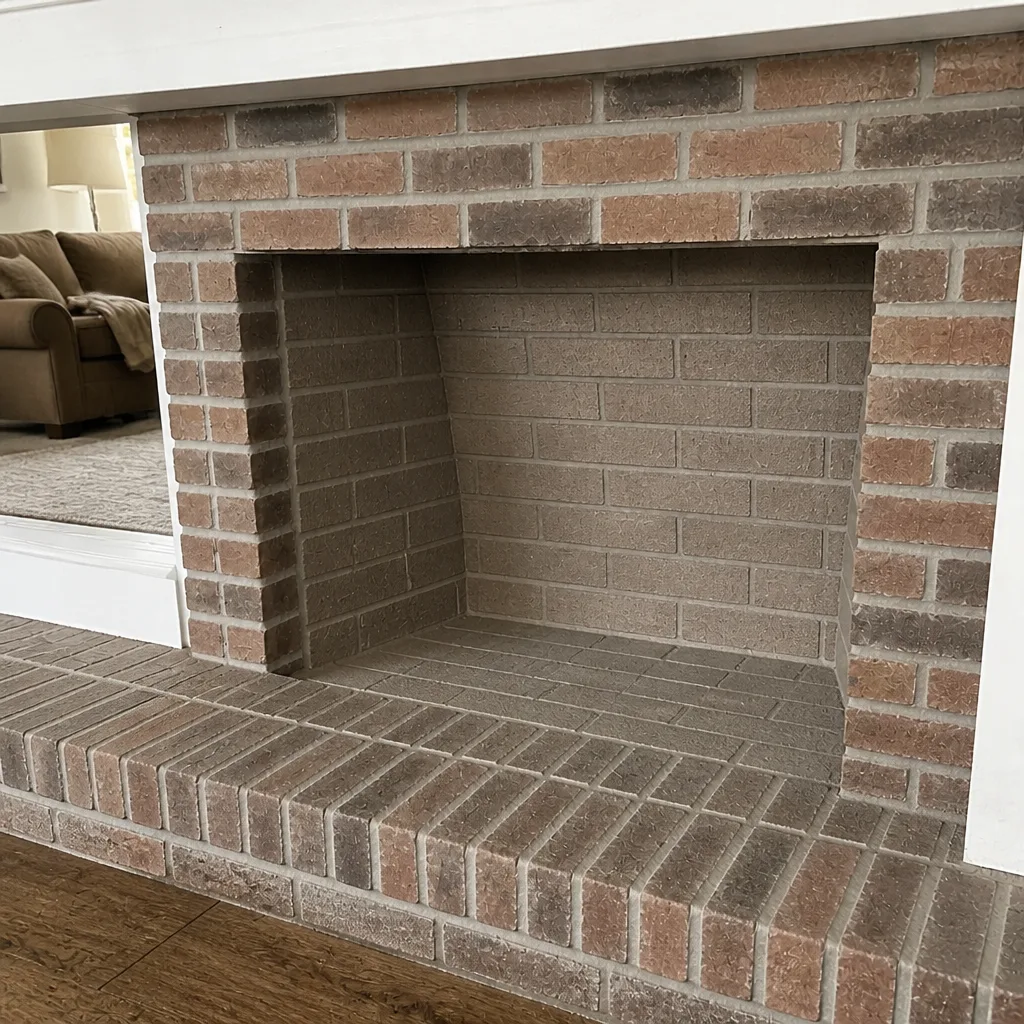
See the difference
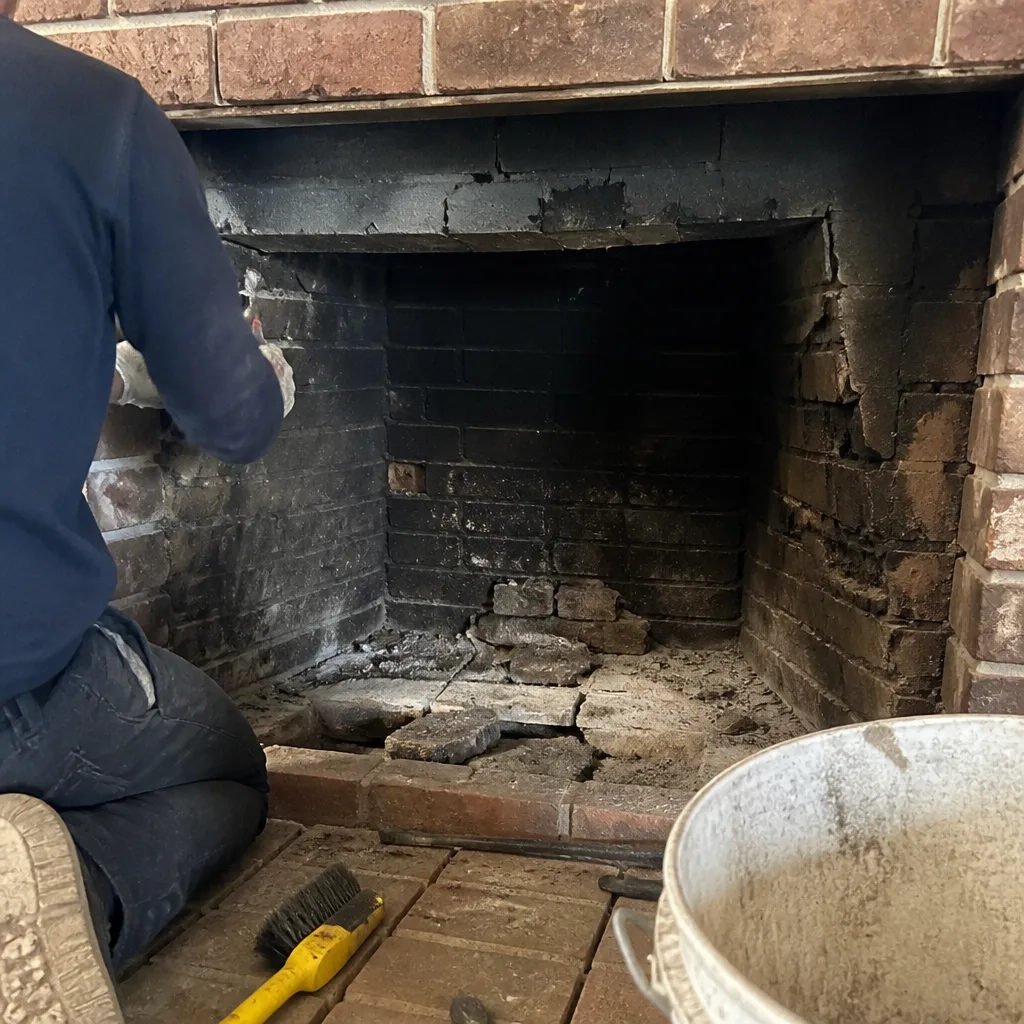 Before
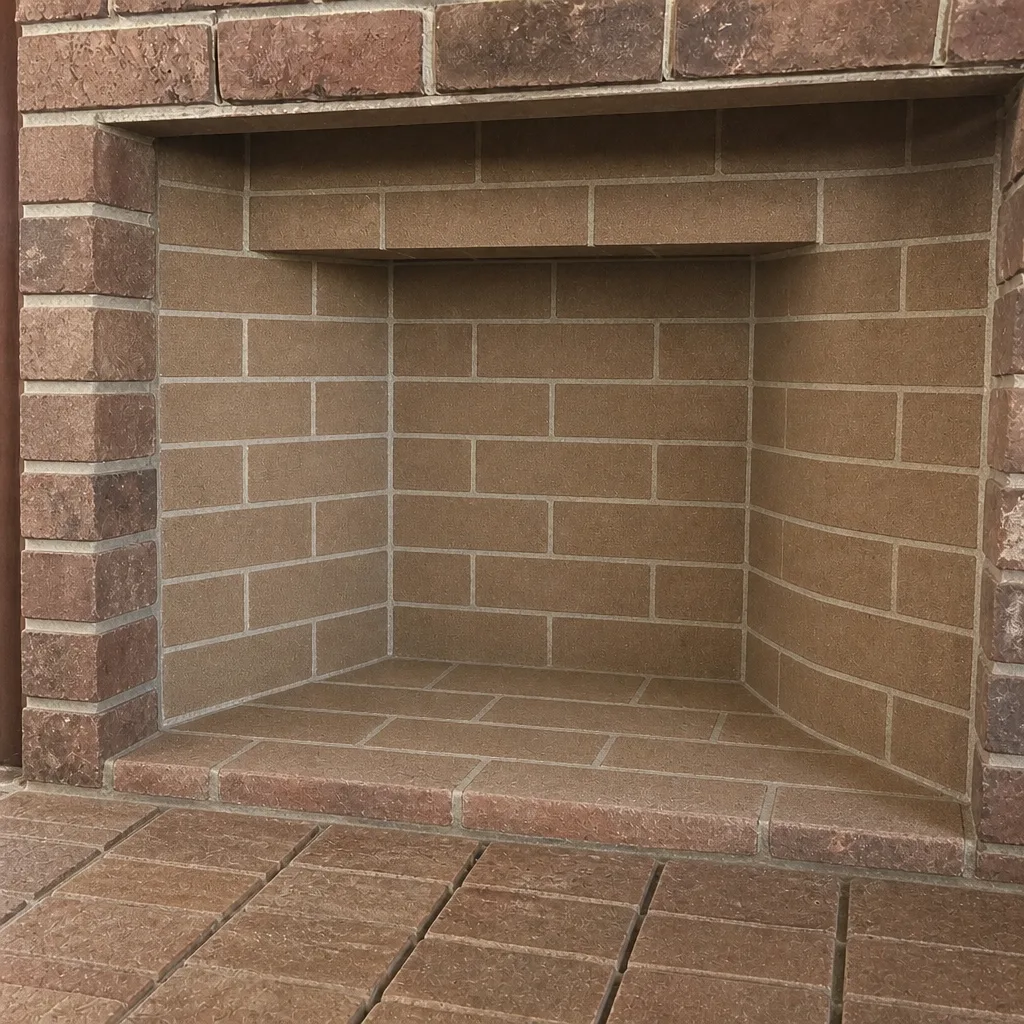 After
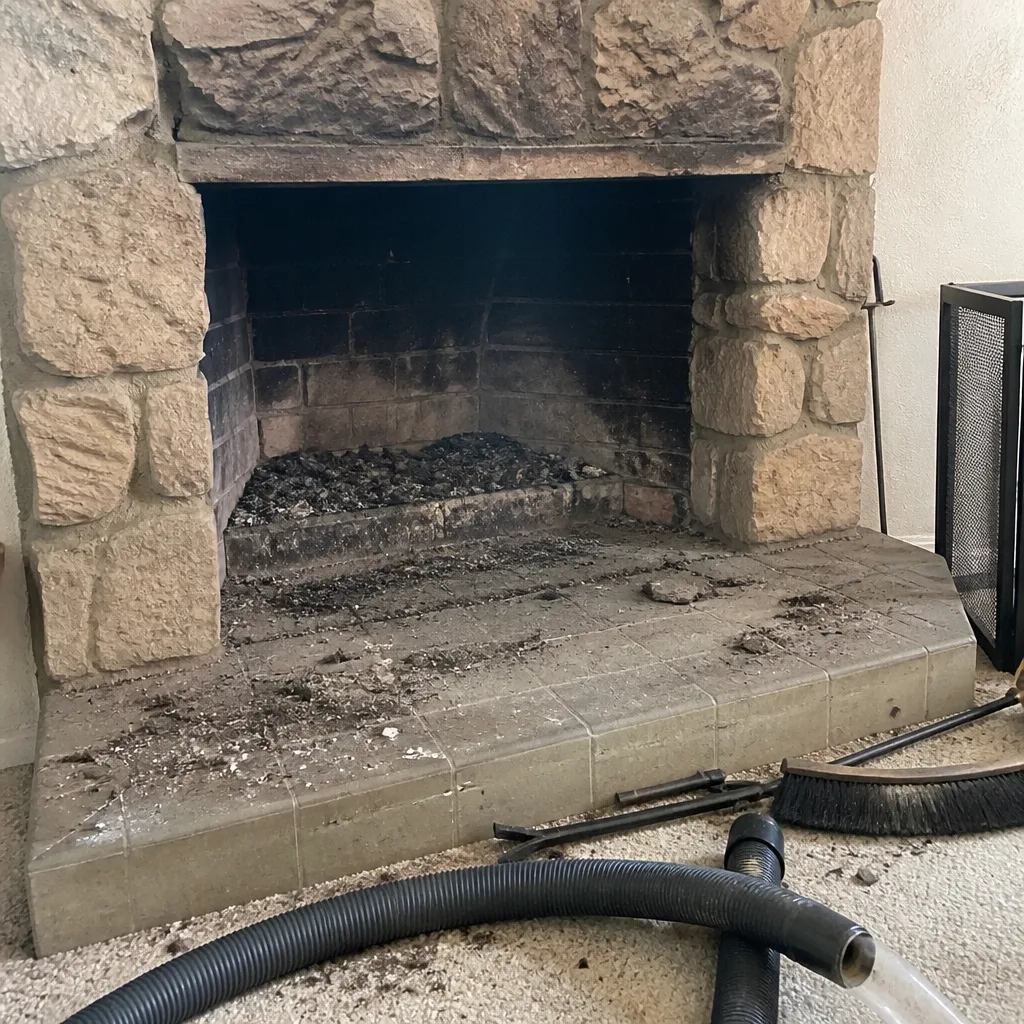 Before
 After
 Before
 After
When to Call a Professional
Call a professional chimney sweep in West Anaheim when any red-line item appears, when it’s been a year since the last sweep and inspection, or when you’ve just bought a home with a fireplace and don’t know its history. Call if you see smoke spilling into the room, if the damper is stiff or stuck, if the crown or flashing looks compromised, or if you’ve had a wind event and want the cap and exterior checked. Call before the burn season if you want the system assessed while there’s still room in the schedule. Call if you need a standalone inspection for a real estate transaction or an insurance question. Chimney Sweep West Anaheim offers free estimates in West Anaheim. Call (877) 792-7386. We answer 24/7. Fast dispatch from 7am to 7pm, Sunday through Friday.
Frequently Asked Questions
Once a year, even if you only burn a handful of fires. Low use means less creosote, but the annual visit is also when the crown, cap, flashing, and liner get inspected, and those parts wear from sun and wind rather than soot. A yearly sweep and inspection keeps the whole system in view, not just the flue. Call (877) 792-7386 for a free estimate.
Yes, and the reason is the exterior, not the flue. In West Anaheim the sun, thermal cycling, and wind events degrade the crown, cap, and flashing faster than low use wears out the flue. The annual visit catches those exterior problems before they become leaks. It’s cheaper to address a hairline crown crack than the water damage it leads to. Call (877) 792-7386 to book a sweep and inspection.
Check the cap, crown, and flashing in September, before the wind season. A loose cap or a gap in the flashing is what wind and the first rain will find. Have any loose or damaged exterior component addressed in October, ahead of the winds. If something looks compromised, don’t burn until it’s assessed. Call (877) 792-7386 for an exterior check and free estimate.
Loose or cracked firebrick in the firebox, a damper that won’t open or seal, smoke spilling into the room, water stains or crumbling masonry near the chimney, and a missing or badly damaged cap all mean stop using the fireplace until a professional assesses it. Treat any of these as urgent. Call (877) 792-7386 for a same-day assessment.
A camera inspection of the full flue, a sweep to clear soot and debris, an exterior assessment of the cap, crown, and flashing, and a clear recommendation on what needs doing and what can wait. We include a camera inspection and photo report so you can see what we see. Inspection is also available as a standalone service for real estate or insurance purposes. Call (877) 792-7386 for a free estimate.
Not always. Depending on the condition, a specialist liner resurfacing system like HeatShield can restore the lining without a full replacement. A camera inspection tells you which approach fits your flue. You get a photo report so you can see the evidence before you decide. Call (877) 792-7386 to find out what your flue actually needs.
The Bottom Line
A West Anaheim chimney needs a maintenance plan built for dry heat, UV, and wind, not a template written for hard winters. Sweep and inspect once a year even with low use. Watch the cap, crown, and flashing through the year, and do the exterior work before Santa Ana wind season. Check the damper and firebox yourself, log photos year over year, and know which items are red-line versus routine. One call covers sweep, cap, crown, liner, and repair, so you never have to coordinate multiple contractors. Clean flue, sound structure, safe fire.
Written by the team at Chimney Sweep West Anaheim.