
Last updated November 24, 2026
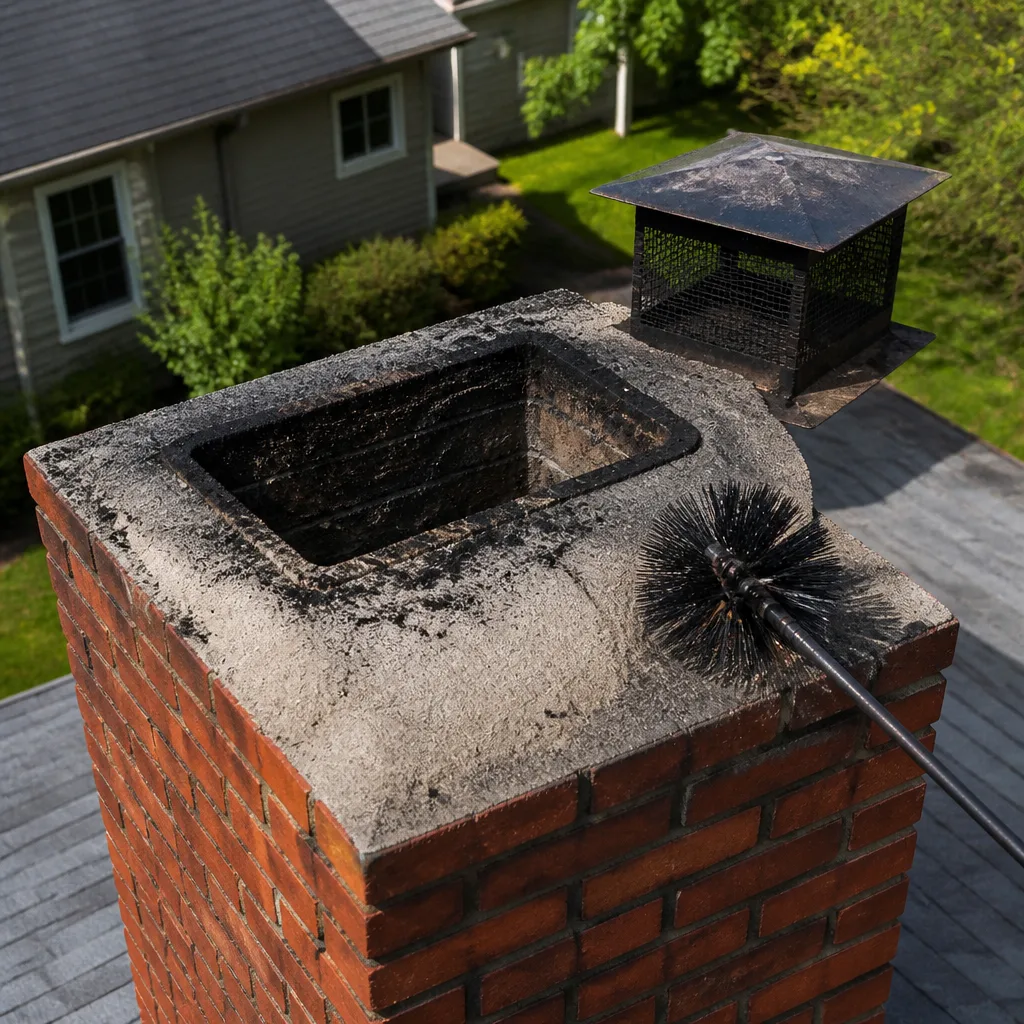 Sweep & inspection
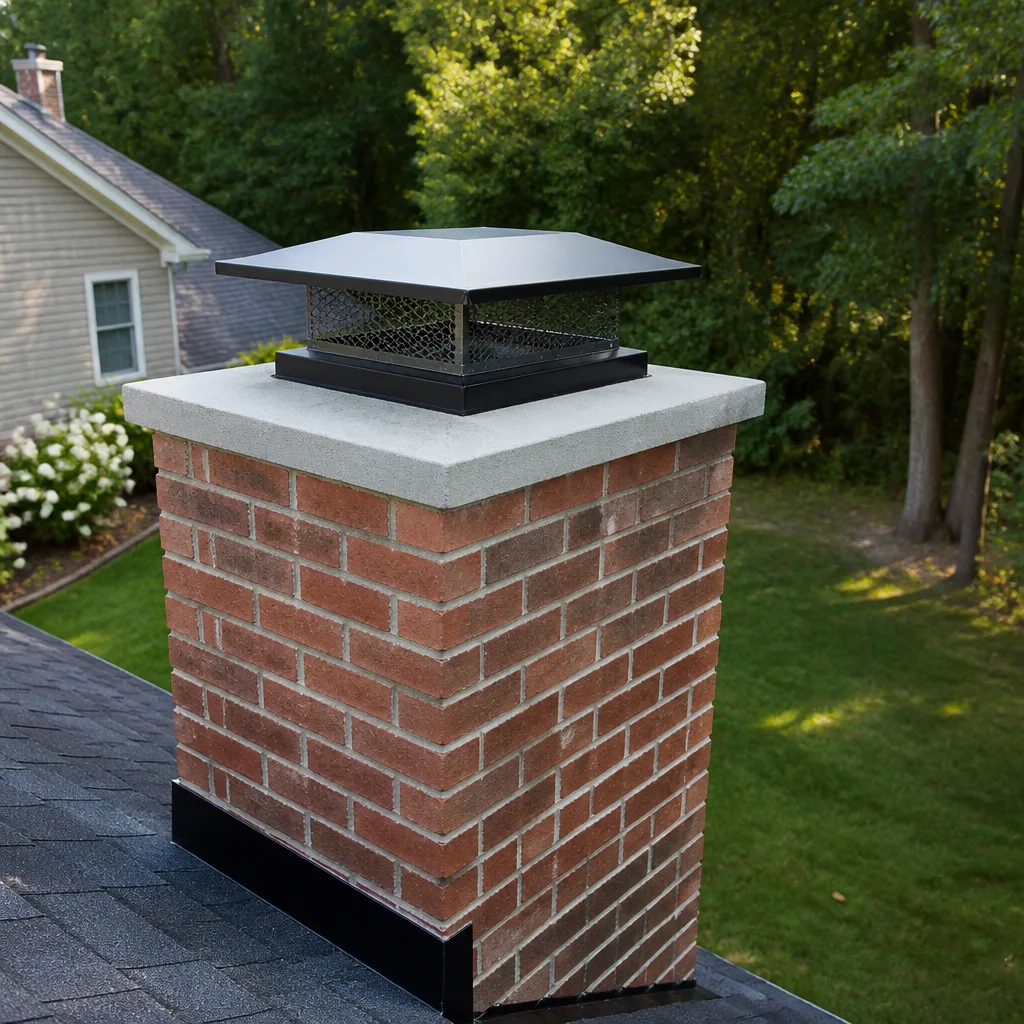 Caps & crowns
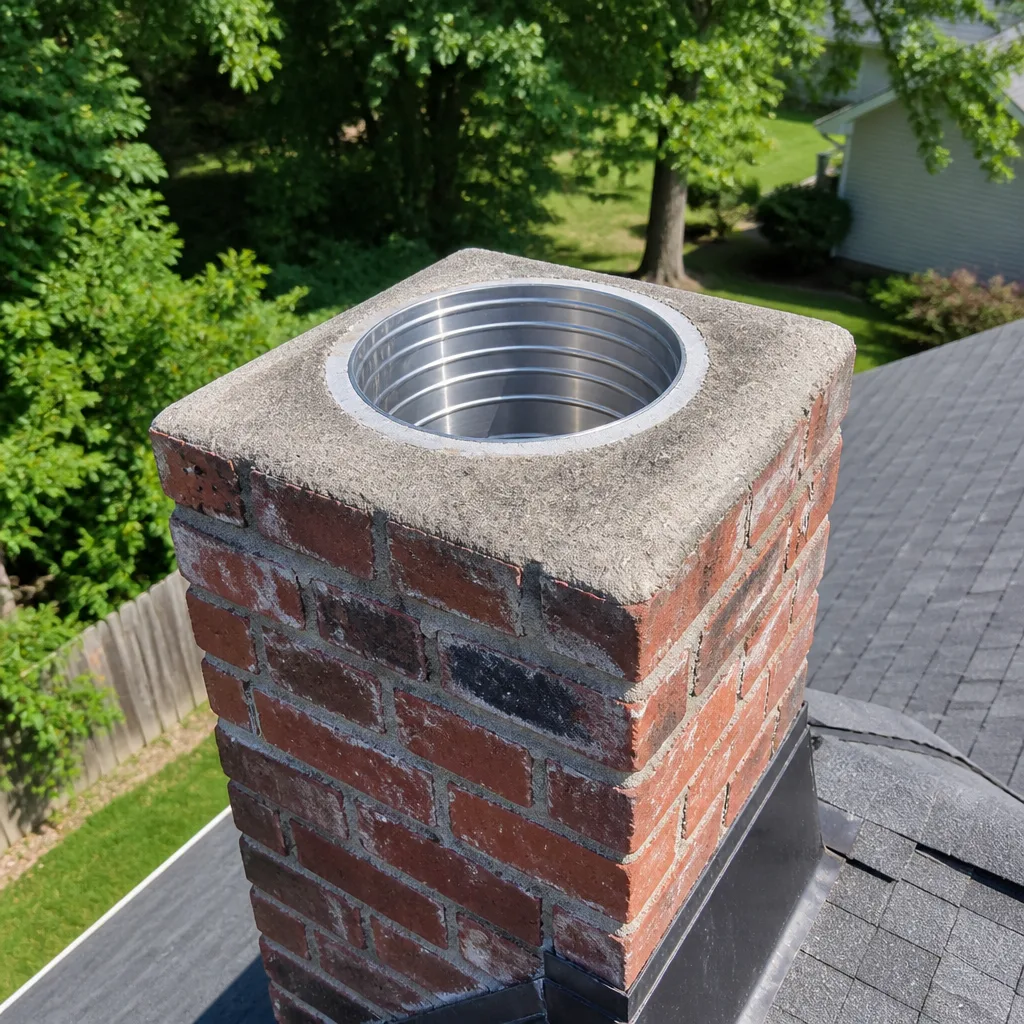 Flue relining
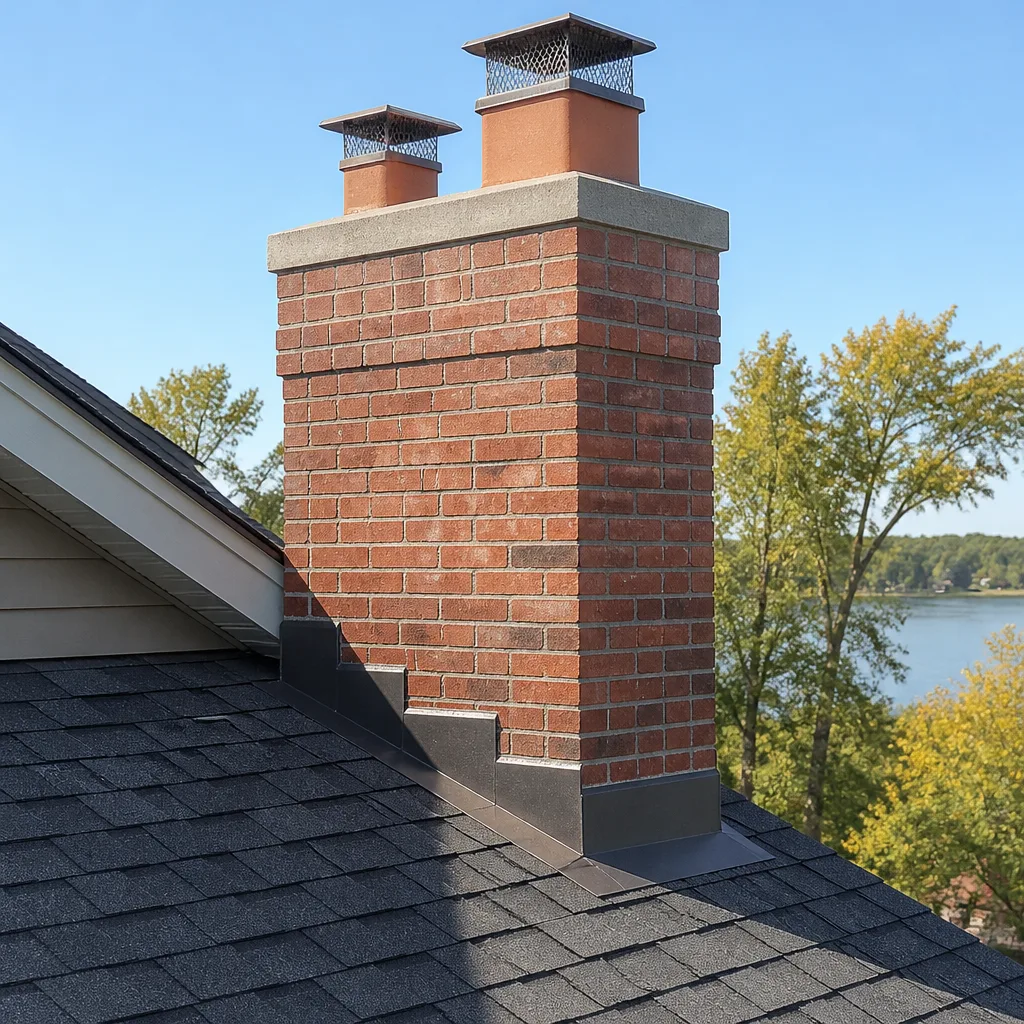 Masonry repair
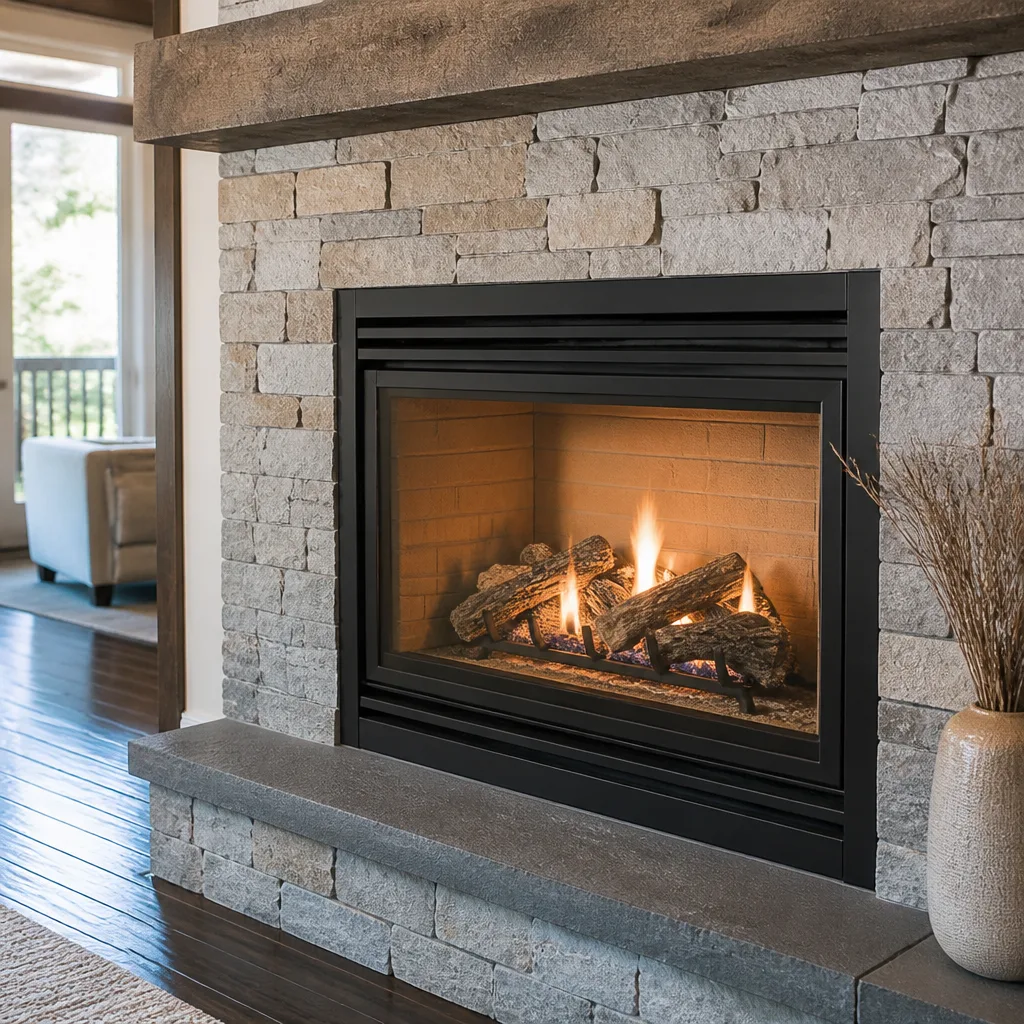 Gas fireplace service
Level 1 sweep and inspection to the NFPA 211 annual standard - flue, crown, cap, and flashing checked and photographed
Chimney sweep logs do not sweep chimneys. They loosen some creosote - which then falls where a brush and vacuum still have to collect it.
Seasonal Chimney Cleaning Care for West Anaheim: Year-Round Homeowner’s Guide
In West Anaheim, your chimney is at more risk in July, when it sits unused, than in January when you’re actually burning wood. That sounds backwards. But dormancy, not combustion, is what quietly undoes a chimney in our climate. Warm, dry months let pests move in, sunlight and heat work on liners and masonry, and small cracks widen while nobody’s looking. Then the first cold night arrives, you light a fire, and the problems are already there. This guide walks through what each season actually does to a chimney in West Anaheim, what you can check yourself, and what needs a trained eye.
Quick Answer
The most important seasonal chimney task in West Anaheim is the spring inspection, done after the burning season ends and before summer heat sets in, because that’s when winter rain damage and off-season deterioration are easiest to catch. Fall is the second critical window: you want the cap, spark arrestor, and flue checked before Santa Ana wind season and before your first fire. Summer is for repairs and liner work, since a dormant fireplace can be worked on without rushing. Annual sweeping plus one inspection a year covers most West Anaheim homes.
Styles & brands we work with
- Sweep & inspection
- Caps & crowns
- Flue relining
- Masonry repair
- Gas fireplace service
Table of Contents
- Why Dormancy Does More Damage Than Burning Season
- What Summer Heat Does to a Capped vs. Uncapped Chimney
- Fall Checklist: Getting Ready for Santa Ana Wind Season
- Why Spring Is the Most Important Inspection Window
- Prefabricated Fireboxes vs. Masonry in West Anaheim Housing
- Your Season-by-Season Timeline: Self-Check vs. Professional
- Sweeping vs. Inspection: They Are Not the Same Job
- Common Mistakes to Avoid
- When to Call a Professional
- Frequently Asked Questions
Why Dormancy Does More Damage Than Burning Season
A fire is active. It burns hot, moves air up the flue, and dries out whatever moisture collected. The problem is what happens in the eight or nine months when nothing is happening at all. That’s the counterintuitive part about chimney care in West Anaheim, and it shapes how we think about the calendar.
During the off-season, three quiet processes are at work. First, moisture. Winter rain soaks into masonry and finds its way into hairline cracks. As it dries slowly through spring, the minerals in the mortar migrate and the surface can flake or spall. Second, thermal movement. Our inland-influenced summers push daytime temperatures high and pull them back down at night, so masonry and metal components expand and contract daily. Small gaps become bigger ones. Third, pests and debris. A chimney with no active draft is just a warm, dry tube with a view, which is exactly what birds, squirrels, and insects are looking for.
None of these show up as smoke in your living room. They show up later, as a rusted damper, a cracked crown, or a flue that doesn’t draw. That’s why the off-season is the season to plan around. A complete chimney system, properly maintained, is one you think about in June and August, not just on the night you want a fire.
What Summer Heat Does to a Capped vs. Uncapped Chimney
West Anaheim summers are long, dry, and bright. Whether your chimney is capped changes what those months do to it.
Inside an uncapped flue
An open flue is an open invitation. Rain during the occasional summer shower runs straight down the inside of the flue and pools at the smoke shelf or damper. UV light reaches the top of the flue and the crown, breaking down sealants and aging mortar joints. Birds nest, and a nest is not just an obstruction; it’s a combustible obstruction sitting inside your chimney. Debris and leaf litter collect at the bottom. By fall, an uncapped chimney has often developed a slow leak nobody noticed because no one was using the fireplace.
Inside a capped flue (with a proper spark arrestor)
A cap with a screened spark arrestor blocks rain, birds, and most debris while still allowing exhaust to escape. That’s the standard we recommend for every West Anaheim home with a wood-burning fireplace. But a cap isn’t permanent protection. Screens clog with soot and nesting material over time, which reduces draft. Fasteners loosen. The cap itself can lift or dent. Summer is when we see the most loose caps, because heat and dry wind work on metal and mortar alike. A cap that’s a few years old usually just needs to be checked, cleaned, and re-seated, not replaced.
If your chimney has no cap, adding one is the single highest-value off-season improvement you can make. We install caps built for the long haul from brands like Copperfield and Famco, sized to your flue and flashing.
Fall Checklist: Getting Ready for Santa Ana Wind Season
Southern California’s Santa Ana winds typically arrive in fall and can push gusts through West Anaheim neighborhoods fast enough to move lightweight objects on a roof. Your chimney cap, spark arrestor, and flashing take the brunt of that. Fall is when you want everything secured and clear before the first wind event and before your first fire of the year.
Here’s the order we recommend for a West Anaheim fall:
- Look at the cap and spark arrestor from the ground. Use binoculars. Is the cap level, or has it shifted? Is the screen visible, or is it clogged with soot and debris? A loose cap should be re-secured before wind season.
- Check the flashing at the roofline. Flashing is the metal that seals where the chimney meets the roof. Lifted or separated flashing is a leak waiting for the first rain.
- Verify the damper opens and closes fully. A damper that sticks open wastes heat all winter and lets cold air in when the fireplace is off.
- Clear any branches near the chimney top. Wind plus a branch against a cap is a recipe for a dislodged cap or cracked crown.
- Book your sweep before the first cold snap. Chimney sweep calendars fill in October and November. Getting on the schedule early means your flue is clean and inspected before you need it, not three weeks after.
That’s the homeowner side. The professional side of fall is a full flue sweep plus a visual inspection of the cap, crown, and visible flue. If you’ve noticed draft problems or smells, we go further with a camera.
Why Spring Is the Most Important Inspection Window
If you only do one thing to your chimney each year in West Anaheim, make it a spring inspection. Here’s the reasoning. Winter is when your chimney takes on the most moisture. Our rainy season, such as it is, runs through the cooler months, and the masonry soaks it up. Combustion also produces water vapor, which condenses on cool flue walls. By the time spring arrives, any weak spot in your crown, mortar joints, or flashing has had months to show itself.
What moisture intrusion actually looks like after a Southern California winter:
- Efflorescence – a white, chalky powder on the exterior masonry, which is salt left behind as water evaporates through the brick.
- Spalling – the face of a brick flaking or popping off, leaving a rough, pitted surface.
- Rust streaks on the firebox, damper, or exterior metal components.
- Staining on interior walls or the ceiling near the chimney, which suggests a leak at the flashing or crown.
- A musty smell coming from the firebox when the fireplace is off.
Spring is when these are easiest to catch and cheapest to fix. A hairline crack in a crown can be sealed. Left through a summer of heat and a fall of wind, it becomes a crown that needs to be rebuilt. That’s the inspection-first logic we work by. In spring we inspect the whole system, from the firebox and damper up through the flue, crown, and cap, and we tell you plainly what can wait and what shouldn’t.
If the flue interior is showing damage, spring is also the ideal season for liner work. HeatShield resurfacing, or a new stainless liner from a brand like DuraFlex, is best done when the fireplace is dormant and there’s no urgency to get it back in service. We’ll walk you through the camera evidence before recommending anything.
Prefabricated Fireboxes vs. Masonry in West Anaheim Housing
West Anaheim’s housing stock is a mix. There are older full-masonry chimneys, and there are a lot of mid-century and later homes with prefabricated metal fireboxes, factory-built units with a steel firebox, refractory panels, and a metal flue. The two systems age differently, and summer treats them differently too.
On a prefabricated metal unit, heat and UV do most of their work on the exposed parts. The cap, the top of the flue chase, and any caulking or sealant at the chase top get brittle. Factory-built flues rely on gaskets and spacers that keep required clearances from combustible framing inside the chase. An uncapped prefab chimney in summer can draw in pests and debris and invite moisture into the chase, which is more damaging to a metal unit than a pre-fab is often assumed to be.
On a masonry chimney, summer heat works on bulk water and thermal expansion: brick faces, mortar joints, and the concrete crown. Both systems need the same two annual things: a sweep and an inspection. But the inspection checklist differs. For prefab units, we’re looking at the firebox panels for cracks, the damper assembly, and the chase cover. For masonry, we’re looking at the crown, flashing, and flue tile. Knowing which you have before you call saves a step; if you don’t know, we figure it out on site.
Your Season-by-Season Timeline: Self-Check vs. Professional
Here’s the practical schedule we suggest for West Anaheim homeowners, split into what you can reasonably do yourself and what needs a trained professional. The distinction matters: visual checks from the ground are safe, but anything involving a roof or the inside of a flue is not a homeowner job.
- Spring (post-burning season): Book a chimney sweep and inspection. Self-check: look for efflorescence, rust streaks, or interior staining. Professional: full flue inspection, crown and flashing check, and liner assessment if the flue shows damage.
- Early summer (dormant season): Schedule any needed repairs now, including fireplace repair and liner work. Self-check: confirm the damper opens smoothly. Professional: HeatShield resurfacing, new DuraFlex liner install, or crown rebuild, all done while the fireplace is out of use.
- Late summer: Inspect cap and spark arrestor. Self-check: binoculars from the ground. Professional: chimney cap & crown re-seating or replacement if anything’s loose, plus a spark arrestor clean.
- Fall (before first fire): Book your pre-season sweep. Self-check: clear branches, verify no bird activity at the cap. Professional: full sweep, visual inspection, and a written estimate for anything that needs attention.
- Winter (burning season): Use the fireplace normally. Self-check: verify draft at each fire-up, watch for smoke rollback. Professional: call if you smell something off, see staining, or have a chimney fire.
That timeline covers the year. It’s not a rigid set of dates; it’s a rhythm. The important part is that spring and fall are your bookends and summer is your repair window.
Sweeping vs. Inspection: They Are Not the Same Job
A sweep cleans. An inspection assesses. We offer both, and treating them as separate services is part of how we work. A sweep removes creosote, soot, and debris from the flue and firebox. An inspection tells you what condition the whole system is in: the flue, the crown, the cap, the flashing, the damper, and the firebox, with photos and a written report.
The sweep-only approach many homeowners are used to often bundles a quick look with a cleaning and calls it an inspection. That’s not a real safety assessment. It’s a cleaning with a glance. A formal inspection is what you want when you’re buying or selling a home, dealing with an insurer, or you simply want to know what condition your chimney is in before you spend money on repairs.
We inspect before we recommend. If we find a cracked firebox panel, we show you the photo. If the liner has damage, you see the camera footage. Nothing gets recommended without evidence you can look at yourself. That’s the part that keeps homeowners in control of the decision, which is how it should be.
Common Mistakes to Avoid
- Treating sweep and inspection as the same thing. A sweep does not assess the crown, cap, or flashing. You need an inspection to catch structural problems before they get expensive.
- Skipping the spring inspection. Winter damage is cheapest to fix in spring. By fall it’s often a much larger job.
- Leaving the chimney uncapped through summer. An open flue invites birds, debris, and rain. A cap and spark arrestor is the simplest protection you can add.
- Waiting for a smell or smoke problem before you act. By the time you can smell a chimney issue inside the house, moisture or creosote has usually been there for a while.
- Burning unseasoned wood. Wet wood produces more creosote and more water vapor, which is exactly what you don’t want condensing on flue walls.
- Assuming a prefab metal chimney needs no maintenance. Factory-built units need the same annual sweep and inspection as masonry, plus a chase cover and cap check every year.
- Hiring a sweep-only outfit for a repair. Sweeping is one thing; cap, crown, liner, and masonry repair is another. One call covers all of it, and one contractor is accountable for the whole system.
When to Call a Professional
Call a professional if you’re seeing any of the following: a strong odor from the firebox when the fireplace is off, smoke rolling back into the room on light-up, staining on your ceiling or interior walls near the chimney, visible cracks in the firebox or flue tile, a cap that’s loose or missing, or water inside the firebox after a rain. You should also call if it’s simply been a while and you don’t know your flue’s condition, because a formal inspection gives you a clear answer without any obligation to book repair work.
Some jobs are never homeowner work. Anything on the roof is a fall hazard, and anything inside an active flue or involving the damper is a real risk to hands and lungs. Sweeping with the wrong brush can crack flue tiles. We’d rather you call than attempt it.
Chimney Sweep West Anaheim offers free estimates in West Anaheim. We answer 24/7. Fast dispatch from 7am to 7pm, Sunday through Friday. Call (877) 792-7386 to book a sweep or an inspection.
Frequently Asked Questions
Most West Anaheim homes with an actively used wood-burning fireplace should be swept once a year, and inspected once a year. If you burn frequently or use unseasoned wood, you may need a sweep more often. Gas fireplaces still need an annual inspection even though they don’t produce creosote the way wood does. Call (877) 792-7386 to book yours.
Yes, and light use is exactly when off-season problems go unnoticed. A chimney that sits dormant most of the year is the one most likely to develop pest intrusion, moisture damage, or a cracked crown without anyone realizing it. An annual inspection catches those early. Call us for a free estimate on an inspection.
A sweep cleans the flue, firebox, and damper. An inspection assesses the condition of the whole chimney system, including the crown, cap, flashing, flue, and firebox, and gives you a written report. We inspect first, then recommend only what the evidence supports. Call (877) 792-7386 to schedule either.
A cap with a spark arrestor is one of the most practical upgrades you can make. It keeps rain, birds, and debris out of an otherwise open flue, and it gives your chimney a proper top instead of an open hole. We install caps sized to your flue from brands like Copperfield and Famco. Call for a free estimate.
Sweeping a chimney yourself is a roof-access job with real risk, and the wrong brush can crack flue tiles. It’s also easy to miss structural problems because sweeping doesn’t assess condition. A professional sweep plus inspection gives you both the clean flue and the safety answer. Call (877) 792-7386.
Do a ground-level look at the cap, crown, and flashing for anything loose or shifted, and check inside the firebox for water stains. If anything looks off, book an inspection before your first fire. Call (877) 792-7386 for a free estimate.
The Bottom Line
Seasonal chimney care in West Anaheim runs on a different clock than most people assume. The burning months aren’t the dangerous ones; the quiet months are. Spring is your inspection window, when winter moisture damage is easiest to catch. Summer is your repair window, when the fireplace is dormant and liner or crown work can be done without rushing. Fall is your wind-season and first-fire prep, when the cap and spark arrestor get checked. One sweep and one inspection a year is the core of it. A clean flue, sound structure, and a safe fire are the whole point. Chimney Sweep West Anaheim handles all five service categories under one roof: sweeping, cap and crown, fireplace repair, chimney repair, and inspection. Call (877) 792-7386 for a free estimate. We answer 24/7. Fast dispatch from 7am to 7pm, Sunday through Friday.
Written by the team at Chimney Sweep West Anaheim.
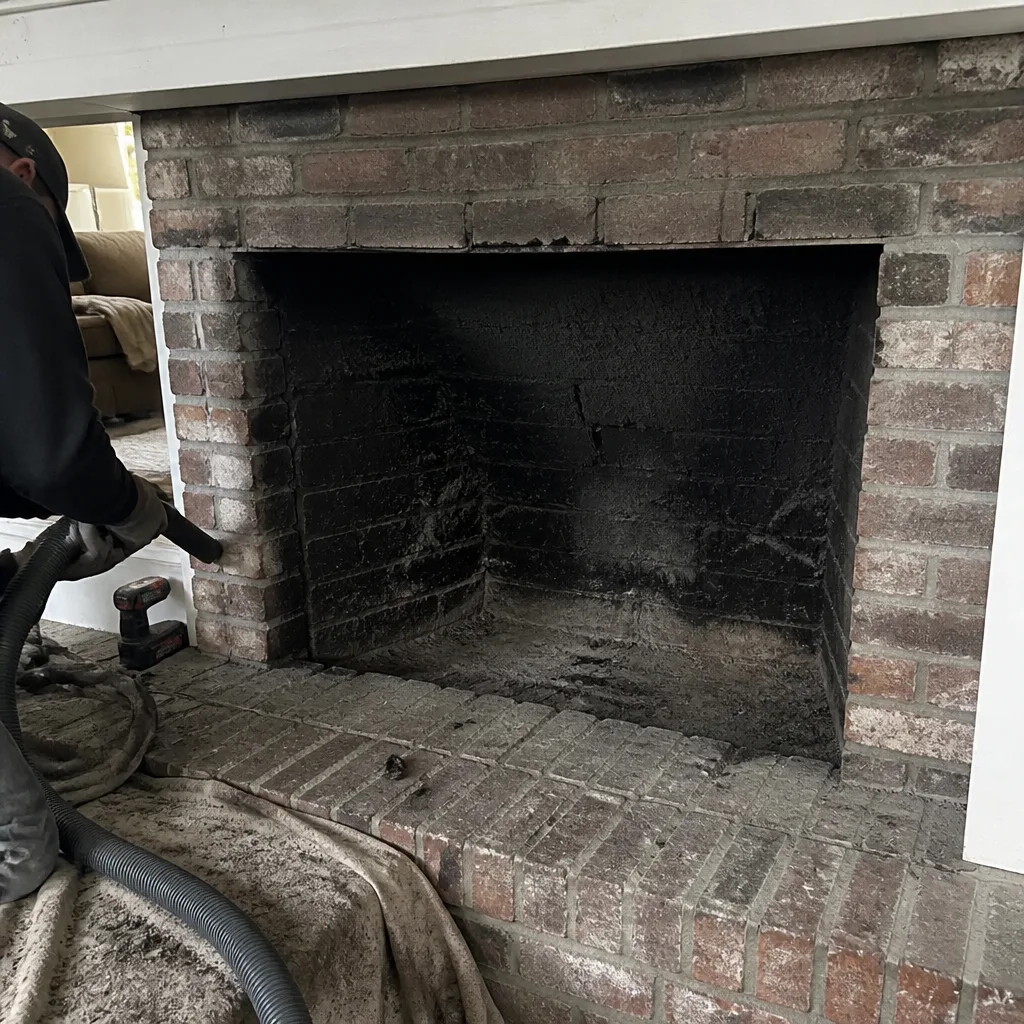
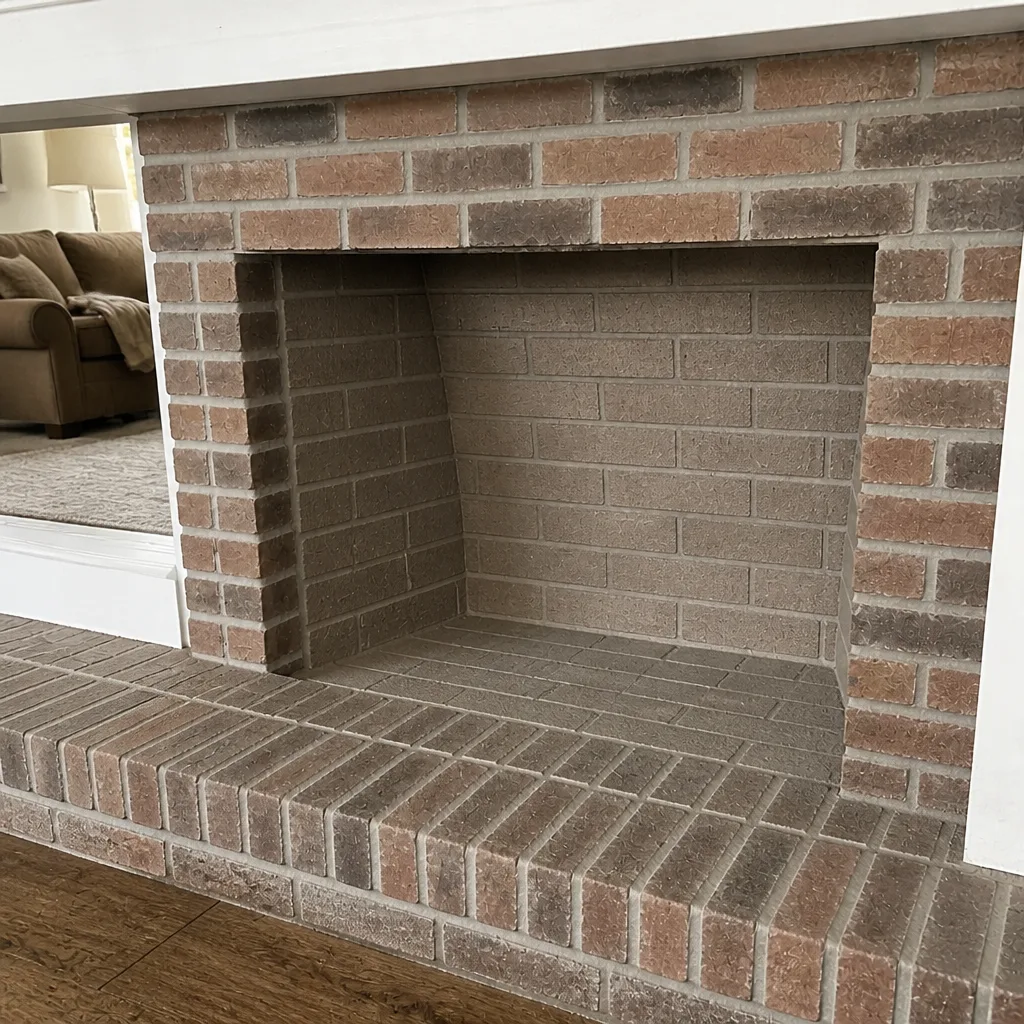
See the difference
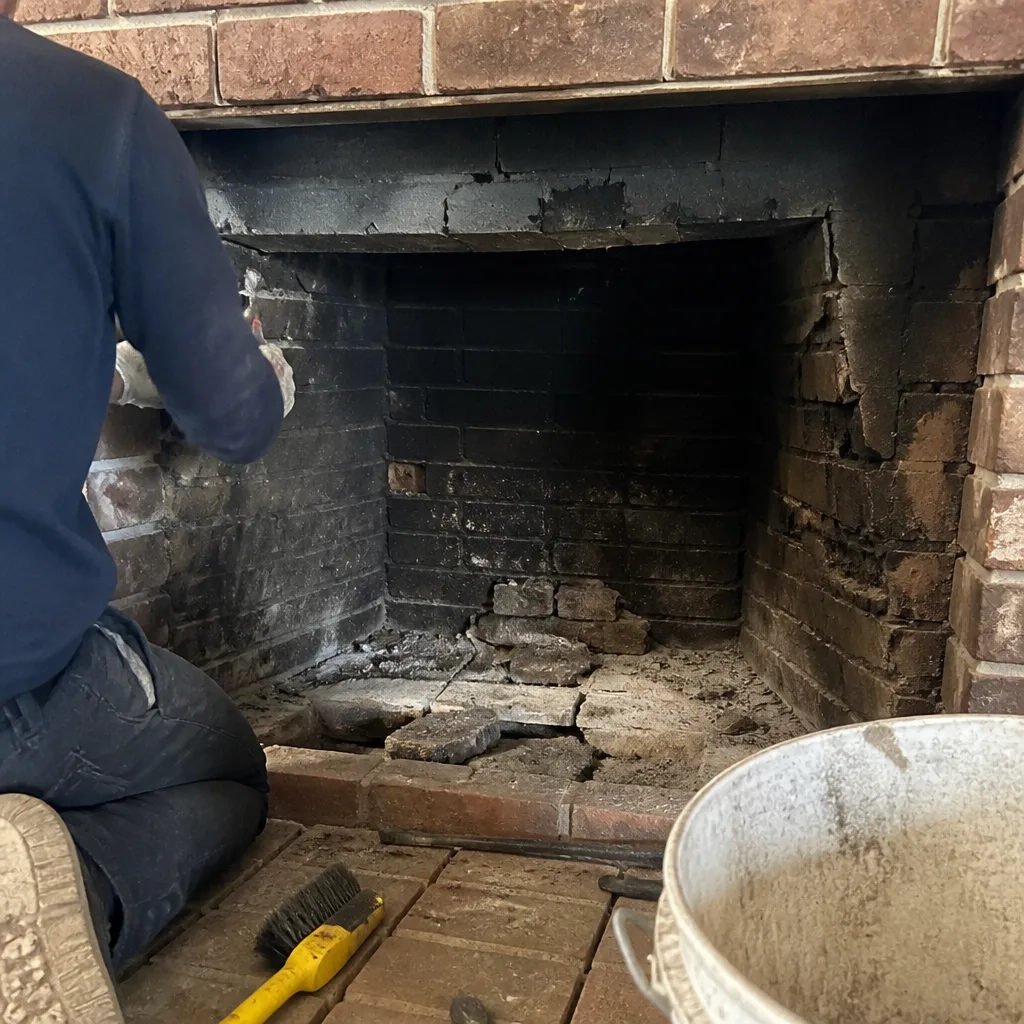 Before
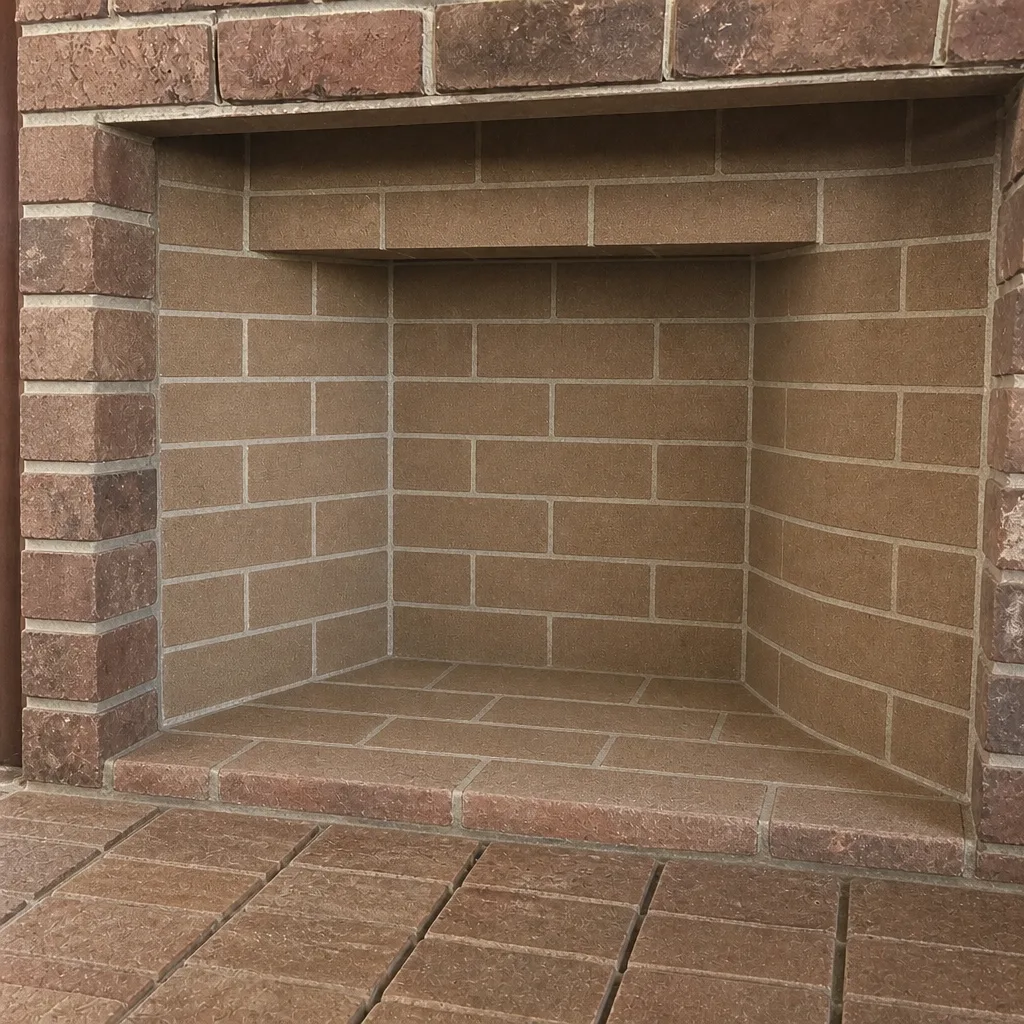 After
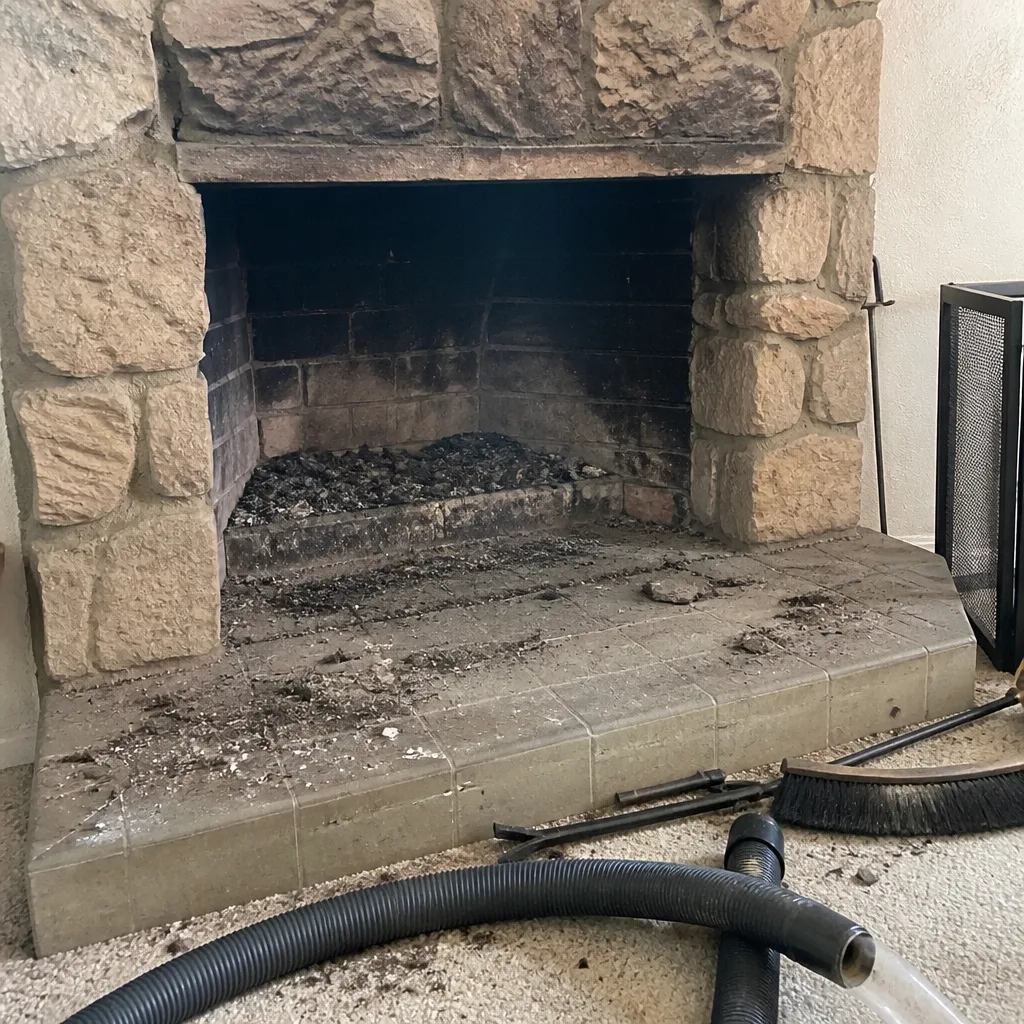 Before
 After
 Before
 After