
Last updated November 24, 2026
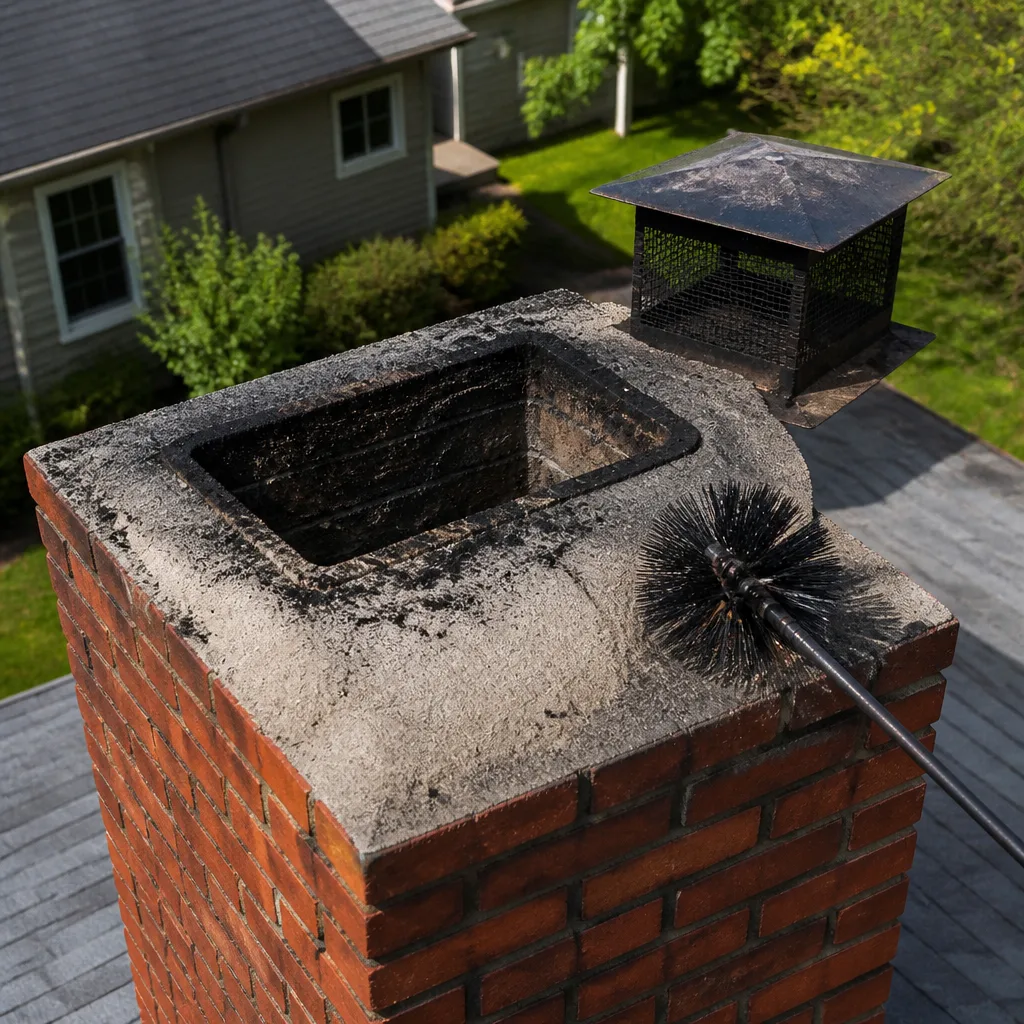 Sweep & inspection
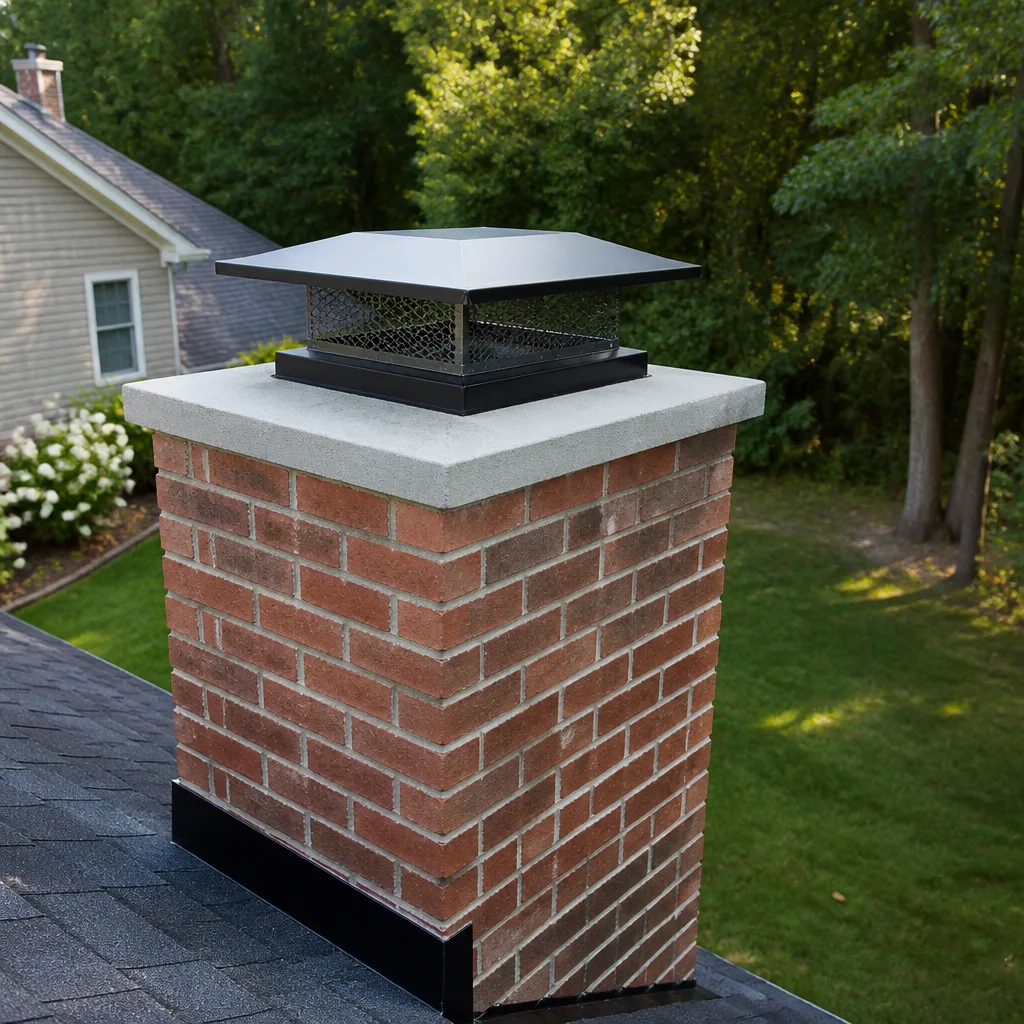 Caps & crowns
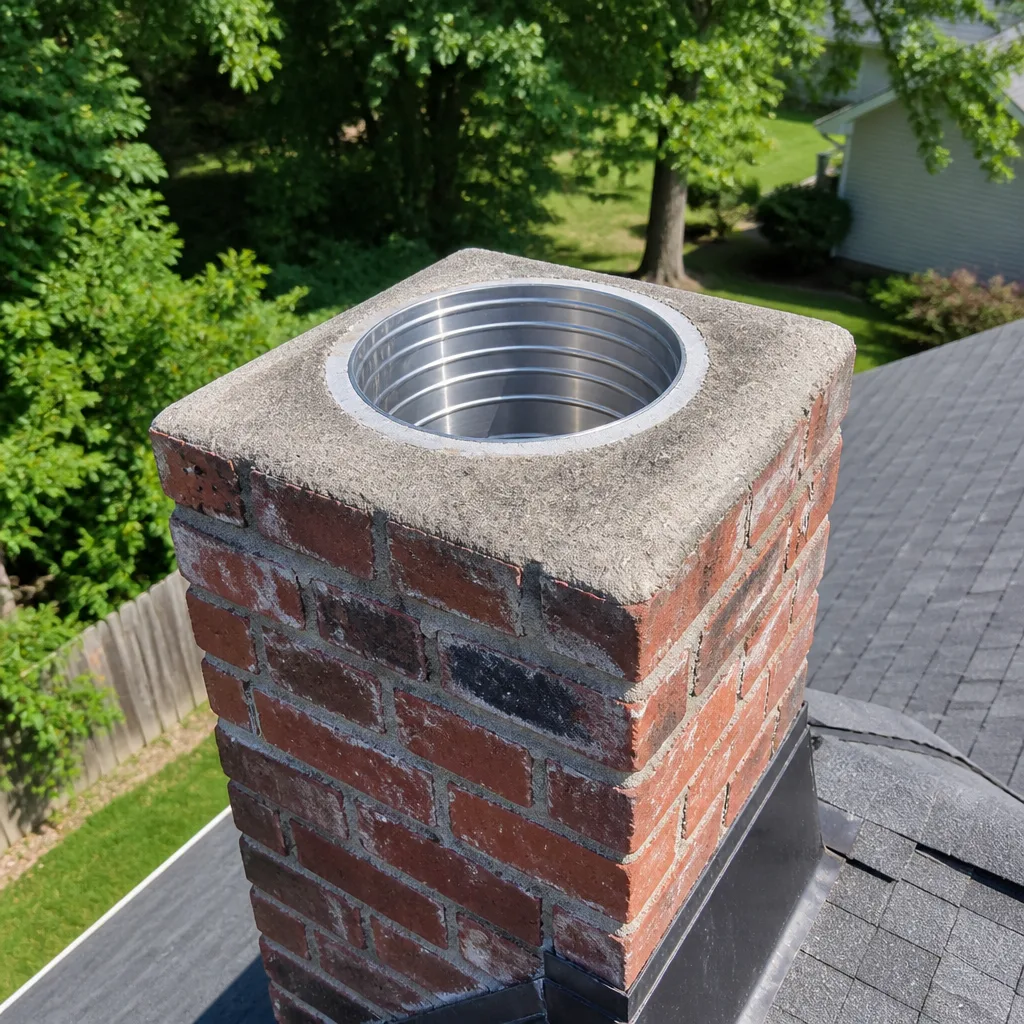 Flue relining
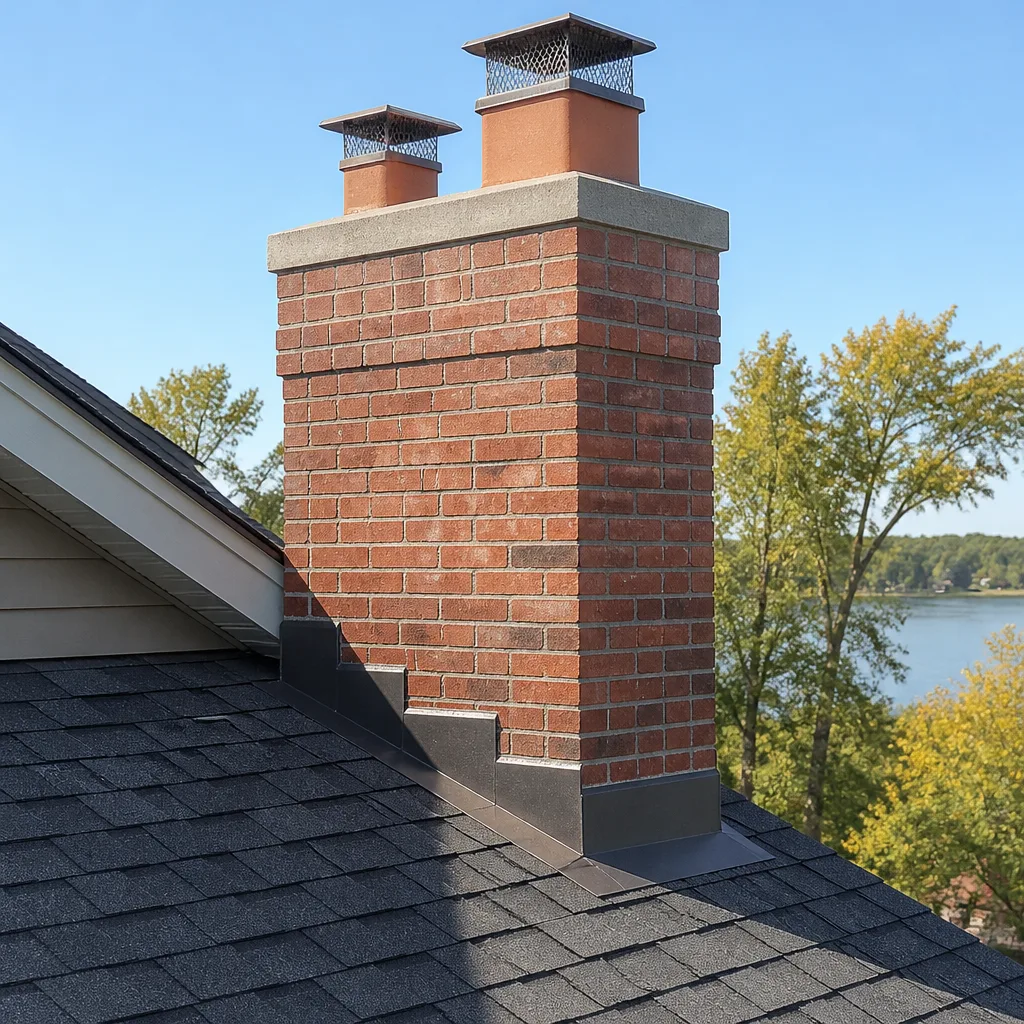 Masonry repair
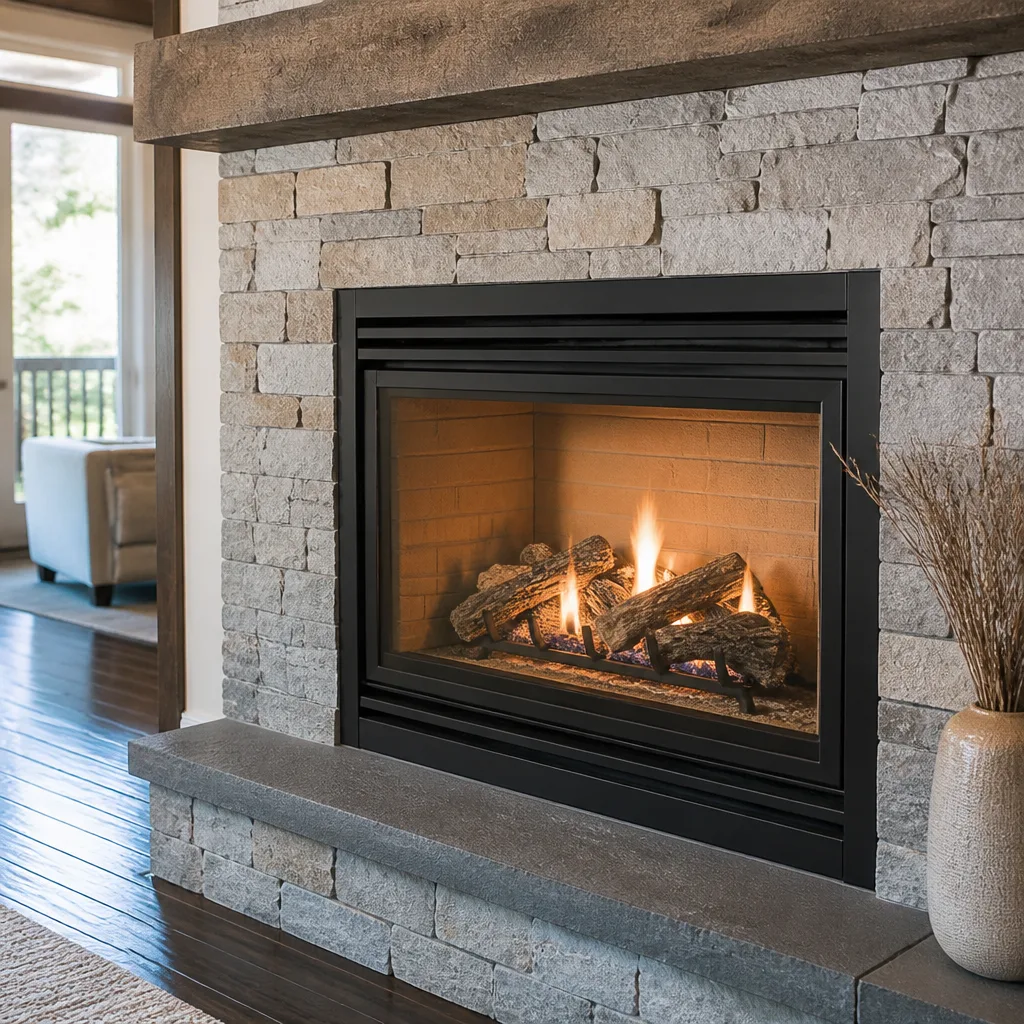 Gas fireplace service
Level 1 sweep and inspection to the NFPA 211 annual standard - flue, crown, cap, and flashing checked and photographed
Chimney sweep logs do not sweep chimneys. They loosen some creosote - which then falls where a brush and vacuum still have to collect it.
Chimney Cleaning Emergency Preparedness Guide for West Anaheim Homes
The most dangerous fire in your fireplace is often the first one of the season. Not because the wood is different or the fireplace suddenly broke, but because of timing. Think about a night in November after the Santa Ana winds have pushed through the Orange County basin for two days. The air is dry, the evenings finally have a chill, and you light the fireplace for the first time in ten months. That fire burns inside a flue that has sat untouched since last winter, collecting whatever drifted down through the cap and crown while it was idle. This guide covers exactly that scenario, plus the rare cold snap that pushes a seldom-used gas unit into service and creates a carbon monoxide risk most homeowners never plan for. You’ll learn how to recognize an active chimney fire from inside the room, what to do in the first two minutes, and why one inspection matters more than any emergency response.
Quick Answer
If you suspect a chimney fire in West Anaheim, get everyone out of the house, call 911, and do not use that fireplace again until a certified professional completes a Level 2 inspection. Chimney fire preparedness here means three things: a pre-season sweep before the first burn, a clear understanding of the specific signs of an active chimney fire, and a plan for the Santa Ana wind nights when draft and ember escape become unpredictable. The chimney is part of your home’s fire and air safety system, and treating it that way is the whole job.
Styles & brands we work with
- Sweep & inspection
- Caps & crowns
- Flue relining
- Masonry repair
- Gas fireplace service
Table of Contents
- How Do You Know If Your Chimney Is on Fire?
- Why Santa Ana Winds Raise Chimney Fire Risk in West Anaheim
- The First-Burn Carbon Monoxide Risk in Low-Use Homes
- What to Do If You Suspect a Chimney Fire
- After a Suspected Chimney Fire: Why a Level 2 Inspection Is Mandatory
- Pre-Season Prep Checklist for West Anaheim Homes
- Creosote: The Fuel You Can’t See
- When to Call a Professional
How Do You Know If Your Chimney Is on Fire?
A chimney fire doesn’t always announce itself with flames shooting from the top. Many burn quietly, hot and slow inside the flue, and the only evidence is a sound or a smell that most homeowners have never been told to listen for. If you burn wood in West Anaheim, learn the distinct signs now, before you need them.
Here are the cues that separate an active chimney fire from a normal, healthy burn:
- Sound: A low, rumbling roar that doesn’t match the size of your fire. Some describe it as a distant train or a low-flying jet. It may build and fade rather than stay constant. Normal fires crackle and pop. A chimney fire sounds deeper and more continuous.
- Smell: A sharp, hot, almost chemical odor in the room that doesn’t smell like wood smoke. Some people notice a burning, acrid smell coming through the damper or from vents near the fireplace.
- Smoke behavior: Smoke backing into the room that wasn’t backing in before, or a sudden change in how the fire draws. Draft that was working fine and then reverses is a warning sign.
- Visible signs outside: Dense smoke or sparks from the chimney top, or a dark, papery creosote flake falling onto the roof or yard. Flames visible at the crown are late-stage and obvious.
- Heat on the chimney surface: The chimney breast or the metal flue pipe feeling unusually hot to the touch, or the pipe visibly glowing. Do not touch a stovepipe you suspect is overheating.
The tricky part is that some of these overlap with ordinary problems. A cold flue can back-smoke. A clogged cap can send smoke into the room. What matters is the combination and the suddenness. If the fire was burning normally and then the sound, the smell, or the draft changed all at once, treat it as a suspected chimney fire until a professional tells you otherwise. In our experience, the homeowners who call us after a scare are almost always right that something changed, even if it turns out to be a blocked flue rather than an active fire.
What you should not do is assume that a quiet fire means a safe chimney. Some of the most damaging chimney fires burn with very little visible smoke because the creosote is igniting in a hot, oxygen-poor pocket. The flue can reach temperatures high enough to crack masonry or warp a metal liner without any dramatic flame at the top. For a full look at what normal maintenance should catch, see our page on routine chimney sweep service.
Why Santa Ana Winds Raise Chimney Fire Risk in West Anaheim
Santa Ana winds change how a chimney behaves. These are the dry, gusty offshore winds that funnel through the canyons and across Orange County, and in West Anaheim they matter for two reasons: they dry out everything, including the wood you’re storing and the creosote inside your flue, and they create pressure differences that can push a chimney’s draft in directions it doesn’t normally go.
Here’s what high winds actually do to a chimney:
- Draft instability: Wind moving across the chimney top creates pressure changes that can strengthen draft, weaken it, or cause downdrafts. A fire that draws well on a still night can smoke into the room during a gusty one.
- Ember escape: A spark arrestor is supposed to keep hot embers inside the flue. In strong wind, embers that would normally rise and cool can be carried out through a damaged or missing screen and land on a dry roof or in dry landscaping. This is the link between a chimney fire and a house fire.
- Creosote dryness: Days of low humidity and wind pull moisture out of creosote deposits. Dry creosote ignites at lower temperatures than damp creosote. The flue you swept in early fall can be more combustible by the time a November wind event arrives.
- Fire spread outside the chimney: Wind-driven embers and radiant heat from an overheated flue are the two ways a contained chimney problem becomes a roof or attic fire.
What reduces that risk is unglamorous and done before the winds arrive. A proper chimney cap & crown in good condition keeps rain, debris, and animals out, and a spark arrestor in good repair keeps embers in. These are the components most likely to be damaged by a past wind event without anyone noticing from the ground. Pre-season prep means a sweep to clear creosote, a look at the cap and arrestor from the top, and a check that the crown isn’t cracked. In West Anaheim, where the winds arrive with little warning, that work has to happen before the first cold night, not during it.
The other wind-related mistake we see is burning during an active wind event and then closing the damper early. Closing the damper on a fire that still has hot embers traps heat and unburned gases in the flue. When the next gust creates a downdraft, that pocket can ignite. If the winds are howling, the safer choice is to let the fire burn down completely with the damper open, or to skip the fire for that night.
The First-Burn Carbon Monoxide Risk in Low-Use Homes
West Anaheim doesn’t have long, brutal winters. That’s the mild climate, and it’s also the reason a specific carbon monoxide risk exists here that colder regions don’t see in the same way. In a place where a fireplace might be used a dozen times between November and February, the highest-risk event is the first burn of the season, because it happens in a system that has gone months without airflow, inspection, or attention.
Why the first burn of the season is the riskiest:
- Blocked flues go unnoticed for months. Birds build nests, leaves and debris collect, and a chimney cap that lost a screen lets it all in. You won’t know the flue is blocked until you light a fire and the smoke has nowhere to go.
- Draft takes time to establish in a cold flue. A flue that’s been cold for months resists drafting at first. Until it warms up, combustion gases have a tendency to spill into the room instead of rising.
- Gas logs and decorative units get ignored. A gas fireplace that hasn’t been run since last season can have a venting problem, a blocked flue, or a partially closed damper. Gas burns clean, which makes people assume it needs no maintenance. It doesn’t work that way.
- Cold snaps get used as emergency heat. On the handful of genuinely cold nights, a fireplace sometimes becomes the only working heat source in a house, and it gets burned hard in a system that never got checked.
- Symptoms get mistaken for something else. Headache, dizziness, nausea, and fatigue in a home where a fireplace is lit are easy to blame on a cold or a long day. If more than one person in the house feels the same way at the same time, treat it as a carbon monoxide warning.
The fix is straightforward. Before the first burn of the season, make sure a carbon monoxide alarm is working on every level of the home and that the flue has been checked for blockages. If you have a gas fireplace, have it looked at before you turn it on for the first time. Our fireplace repair service covers venting and gas-log problems as well as firebox and damper issues, and it’s the right call if you notice any of the symptoms above. Never run a fireplace, wood or gas, in a home without a working CO alarm nearby.
What to Do If You Suspect a Chimney Fire
Your response in the first two minutes matters more than anything else in this guide. The single most important action is to get people out of the house and call 911 if there’s any real sign of an active fire. Chimney fires escalate into structure fires, and responding to one is not a homeowner’s job. Everything below assumes you’ve ruled out an obvious fire and are dealing with a suspect situation while you wait for help.
Here is the sequence, in order:
- Get everyone out first. If you see flames at the chimney top, smell a hot burning odor, or hear the roar, leave the house and call 911 from outside. Do not stop to gather belongings.
- Close the glass doors or screen, if you can safely. If the fire is in the firebox and you can safely close the doors without reaching into danger, do it. This limits air to the firebox. Do not open the doors to look.
- Do not fully close the damper on a suspected active chimney fire. This is counterintuitive and worth reading twice. Closing the damper cuts oxygen to the fire, but it also traps hot gases and creosote vapor in the flue, and it can push smoke into the room through every gap in the system. Most fire-service guidance is to shut down air to the fire where it’s safe to do so, but the damper is not the same mechanism as an airtight stove.
- Call 911. You cannot know whether a chimney fire has spread into the structure. That’s a job for the fire department, and they’re equipped to check the attic, the roof, and the flue.
- Do not use water in the firebox. Dumping water on a hot firebox or a metal flue can crack masonry and warp metal. Firefighters have the right tools for suppression. Let them handle it.
- Do not climb onto the roof. Wind, hot surfaces, and a possible weak roof structure make this dangerous. Stay off the roof.
- Call a sweep after the fire service clears you. A sweep is the next call, not the first. Once the emergency is over, the chimney needs a Level 2 inspection before it’s used again. A sweep can also confirm what caused it.
One more thing worth knowing: a suspected chimney fire is not always confirmed by the fire department. They may suppress it in the flue and clear you to stay in the home, but that doesn’t mean the chimney is safe to use. The heat from even a short fire can damage a liner, open a joint, or crack a flue tile. That’s what the inspection below is for.
After a Suspected Chimney Fire: Why a Level 2 Inspection Is Mandatory
A chimney that has survived a suspected fire cannot be used again until a Level 2 inspection is completed. This is the standard recommended by the chimney industry after a chimney fire, a sudden event that may have caused damage, or before a property changes hands. The inspection isn’t optional or a sales tactic. It’s how you find out whether the system still contains fire where it’s supposed to.
A Level 2 inspection is more than a look down the flue from the roof. It typically includes:
- A video scan of the flue interior. A camera is run the length of the chimney to find cracks, gaps, joint failure, and areas where creosote has glazed. This is the part that catches damage a visual look from the top will miss.
- A look at accessible portions of the chimney from inside the home. This includes the firebox, damper, and the areas of the flue that are reachable, plus the attic and crawlspace where the chimney passes through, when they’re accessible.
- Exterior inspection. The crown, cap, spark arrestor, flashing, and the condition of the masonry or siding around the chimney.
- A written report with photos. This is what your insurer, your real estate inspector, or a future buyer will want to see. It documents what was found and what was recommended, and it gives you something concrete to act on.
What that inspection often finds after a chimney fire is a liner that looks fine from the top and is compromised eight feet down. Creosote that ignited once can ignite again, and a cracked tile or a separated liner joint gives heat and gases a path out of the flue and into the structure. In our experience, this is the moment where homeowners either fix the system properly or skip it and hope. Skipping it is the one choice we’d never recommend. A chimney in that condition isn’t safe to burn in until it’s repaired or relined.
Repairs after an inspection may involve resurfacing a damaged liner with a specialist product like HeatShield, or replacing it with a stainless liner from a professional-grade line such as DuraFlex or Olympia Chimney. Cap and crown damage found during the inspection is handled with components from brands like Copperfield or Famco. Having the sweep, the inspection, and the repair under one roof saves you the worst part of a chimney disaster: chasing down three separate contractors while your fireplace sits unusable.
Pre-Season Prep Checklist for West Anaheim Homes
The best emergency response is the one you never need. In West Anaheim, pre-season prep has to happen in the weeks before the Santa Ana winds arrive and before the first cold night, because once the winds are blowing or the first cold snap hits, every sweep in the area is booked and the weather is against you. Here’s the checklist we’d run on any home with an active fireplace.
- Schedule a sweep before the first burn. A professional sweep clears creosote, checks the flue for blockages, and gives you a baseline for the season. Annual sweeping is the standard for most wood-burning fireplaces; a heavily used fireplace can need it more often.
- Have the cap and spark arrestor inspected from the top. A damaged cap lets water, debris, and animals in. A damaged arrestor lets embers out. Both are the difference between a contained fire and a roof fire on a windy night.
- Check the crown for cracks. The crown is the concrete or masonry top around the flue. A cracked crown lets water into the chimney structure, and the damage compounds season after season.
- Test every carbon monoxide alarm in the home and confirm there’s one on each level, especially near sleeping areas. Replace batteries if you can’t remember the last time you did.
- Clear the area around the fireplace of anything that could catch a stray ember, and keep firewood stored well away from the house and off the ground.
- Look at the wood you’re burning. Seasoned, dry wood produces less creosote than green or wet wood. Wood that’s been sitting out through a windy, dry fall is a better bet than a fresh delivery of unseasoned wood.
- Book a standalone inspection if you’ve never had one. If you’ve owned the home for years and never had the flue looked at properly, a formal inspection is worth doing before the season, not after a scare. We offer inspection as its own service, separate from a cleaning, so you can get a clear safety assessment without an upsell attached.
That covers the checklist. The point isn’t to over-maintain a chimney. It’s to know the condition of the system before you depend on it. A flue that’s clear, a cap that’s intact, and a working CO alarm are the three things that turn a scary night into a manageable one. Everything else is detail.
Creosote: The Fuel You Can’t See
Most homeowners have never seen the inside of their flue, and that’s exactly the problem. Creosote is the residue left behind when wood smoke cools on its way up the chimney. It starts as a soft, flaky deposit and, with repeated hot fires and limited oxygen, can harden into a glazed, tar-like coating that ignites at lower temperatures than you’d expect. It’s the fuel for most chimney fires, and it’s invisible from the room.
There are three stages, and they matter for understanding risk:
- First-degree creosote is light and flaky and comes off with a standard sweep. This is what a properly maintained chimney should look like.
- Second-degree creosote is harder, sometimes tar-like, and clings to the flue. It takes more than a brush to remove and is a sign the chimney is being under-swept or over-fired.
- Third-degree creosote is glazed and hardened onto the flue surface. It’s highly combustible, and it’s the deposit that tends to ignite on a hot fire after a long idle period. A glazed flue is why a chimney fire can start even when the fire looks normal.
Several things make creosote build up faster: burning unseasoned or wet wood, restricting airflow to the fire, and letting the fire smolder for long stretches. In West Anaheim, the low-use pattern itself contributes. A fireplace burned hard for two weeks and then left alone for months doesn’t get the steady, hot fires that keep a flue cleaner. It gets short bursts of use followed by long idle periods, and the deposits from each session stay put until the next sweep.
What you can do about it from the homeowner’s side is burn dry wood, don’t smolder, and sweep annually. What you can’t do is see it yourself. That’s why a professional sweep matters more than the cost of the appointment. If it’s been more than a year since your last sweep, or if you’ve never had one, it’s the cheapest piece of emergency preparedness available.
When to Call a Professional
Some chimney work is routine maintenance, and some of it is a call you make today. Call a professional sweep in West Anaheim when any of the following applies: you’ve never had the chimney swept and you’re about to burn for the first time this season; you’ve had a suspected chimney fire and the fire department has cleared the scene; you smell smoke in the room when the fire is burning; the damper won’t open, close, or seat properly; you see cracked or missing cap or crown components from the ground; or you’re buying or selling a home and need a documented inspection. Those last two are the cases where a formal inspection on its own, separate from a cleaning, is what you actually need.
Chimney Sweep West Anaheim offers free estimates in West Anaheim. Call (877) 792-7386. We answer 24/7. Fast dispatch from 7am to 7pm, Sunday through Friday. Our technicians have up to 15 years of experience, and we work with professional-grade product lines including DuraFlex, HeatShield, Olympia Chimney, and Famco, so the sweep, the inspection, and any repair found along the way stay under one roof.
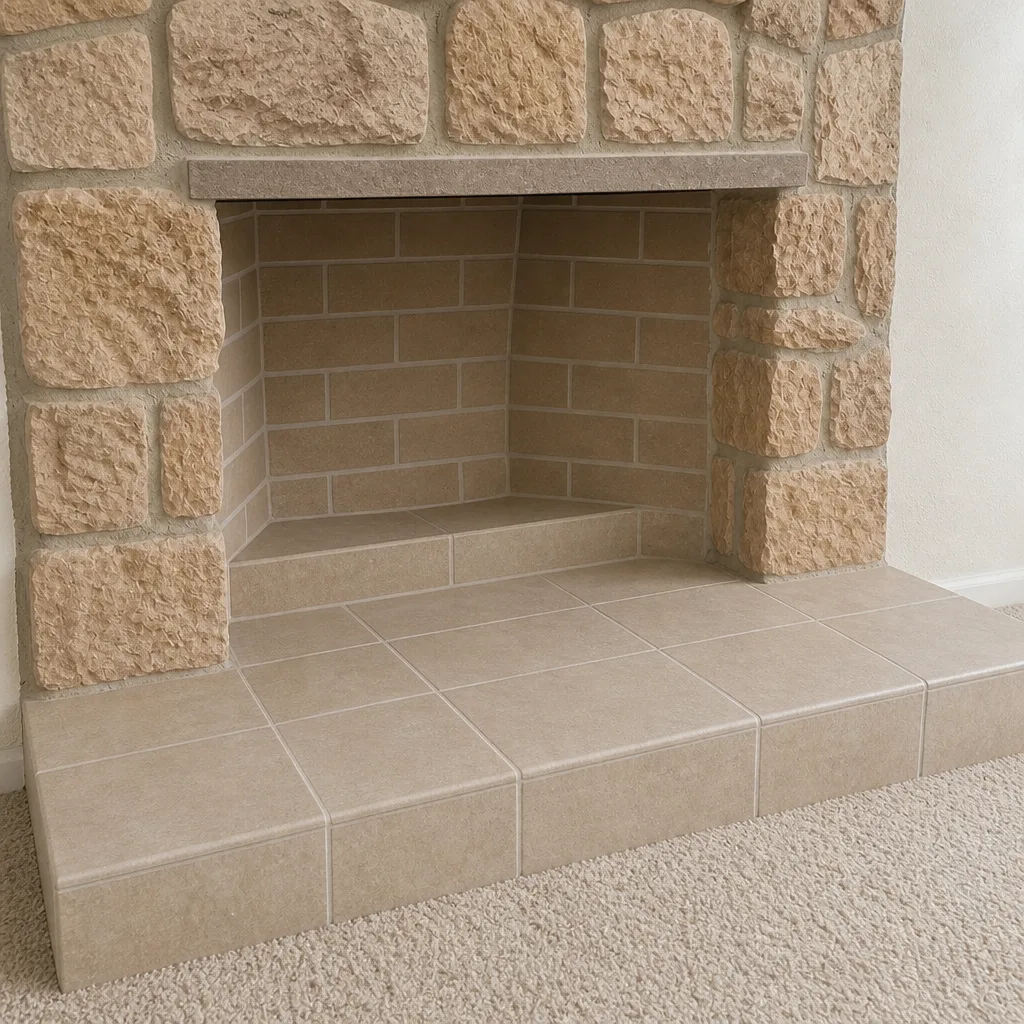
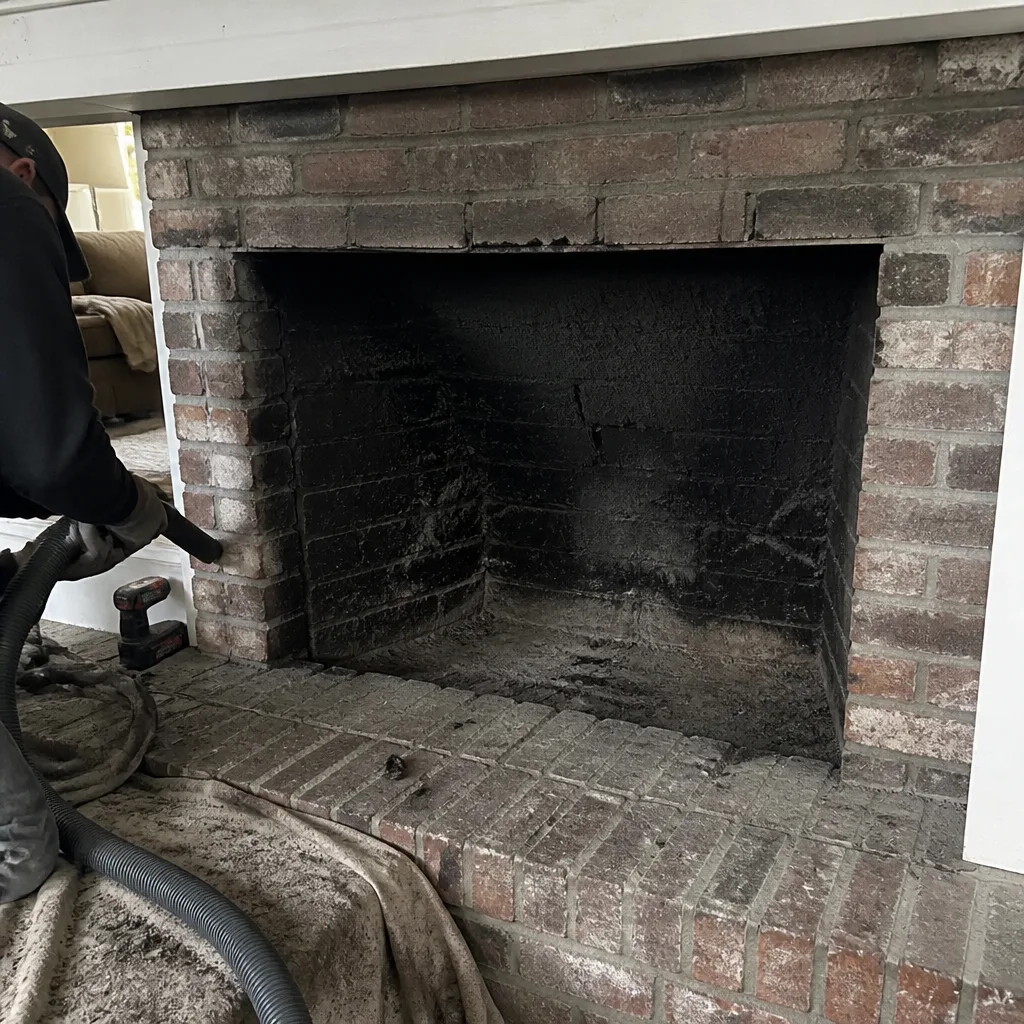
See the difference
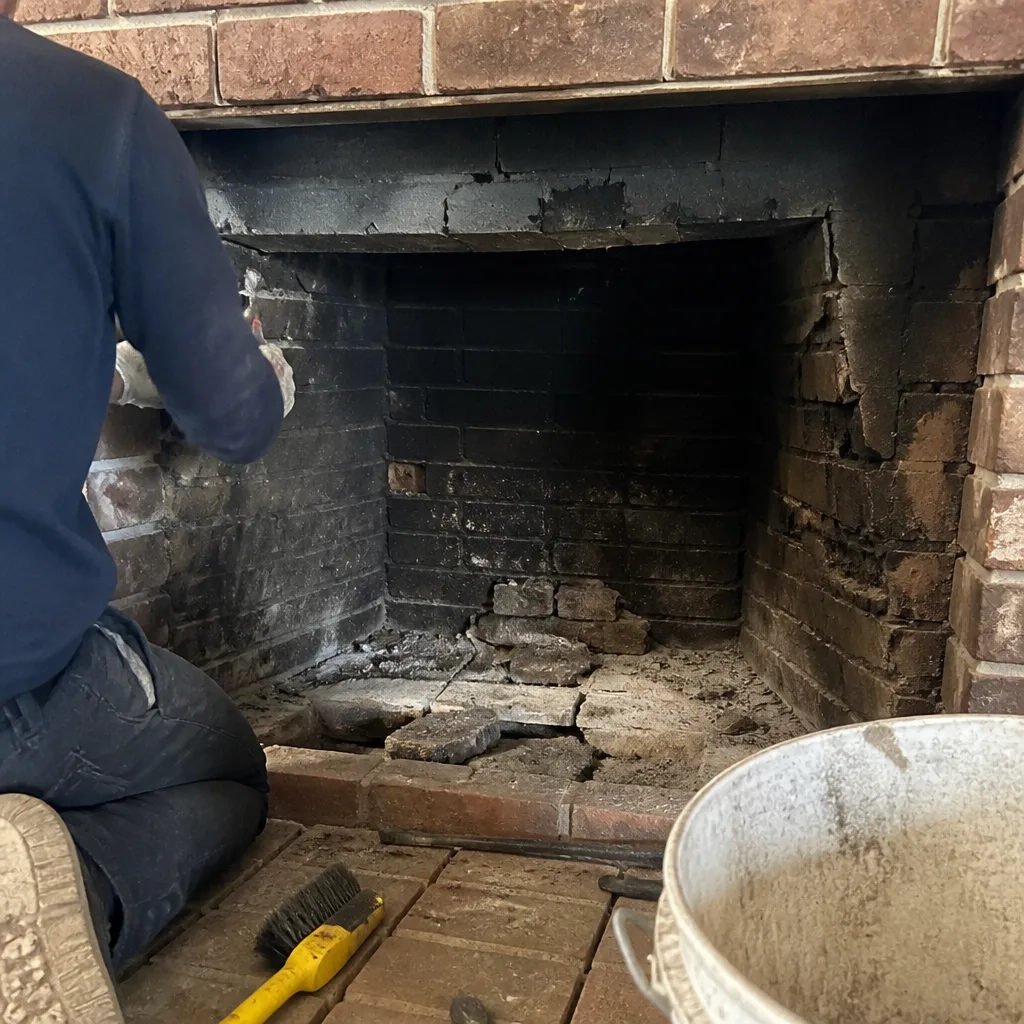 Before
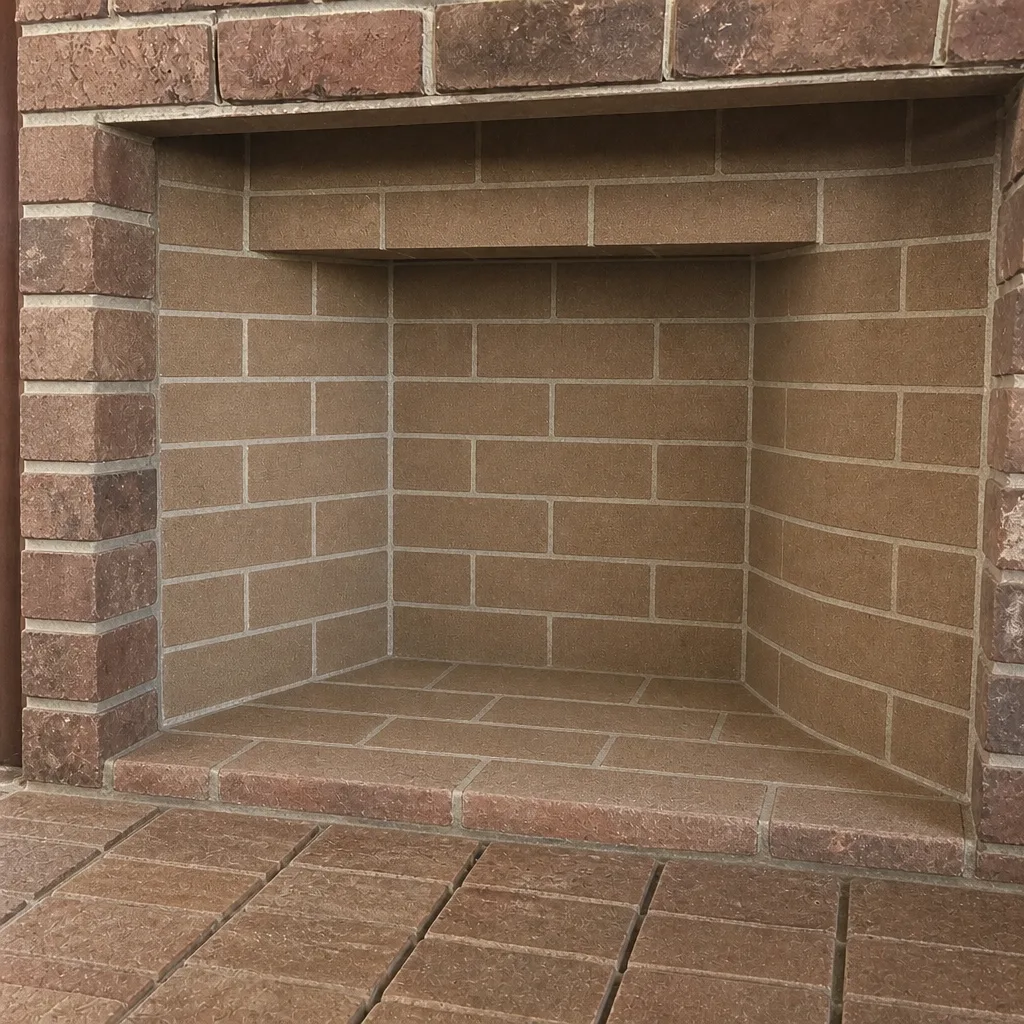 After
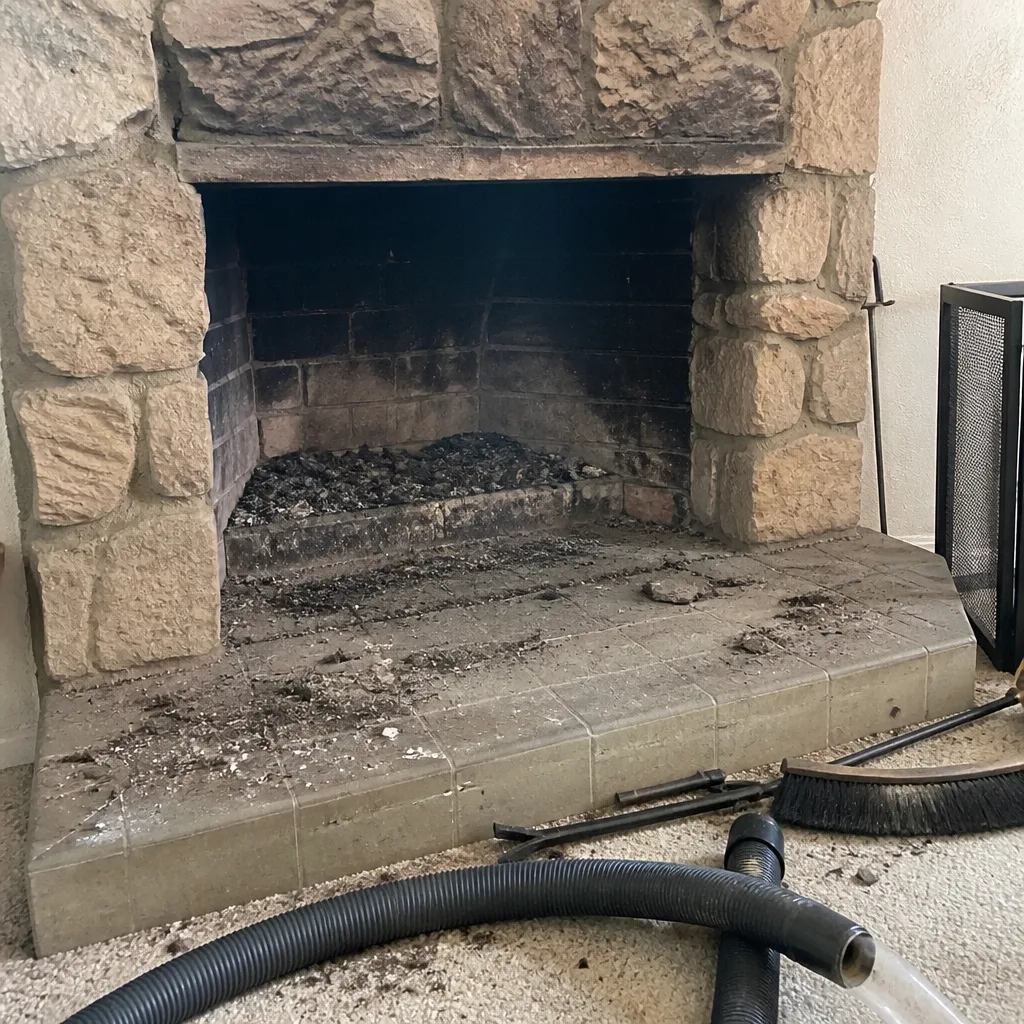 Before
 After
 Before
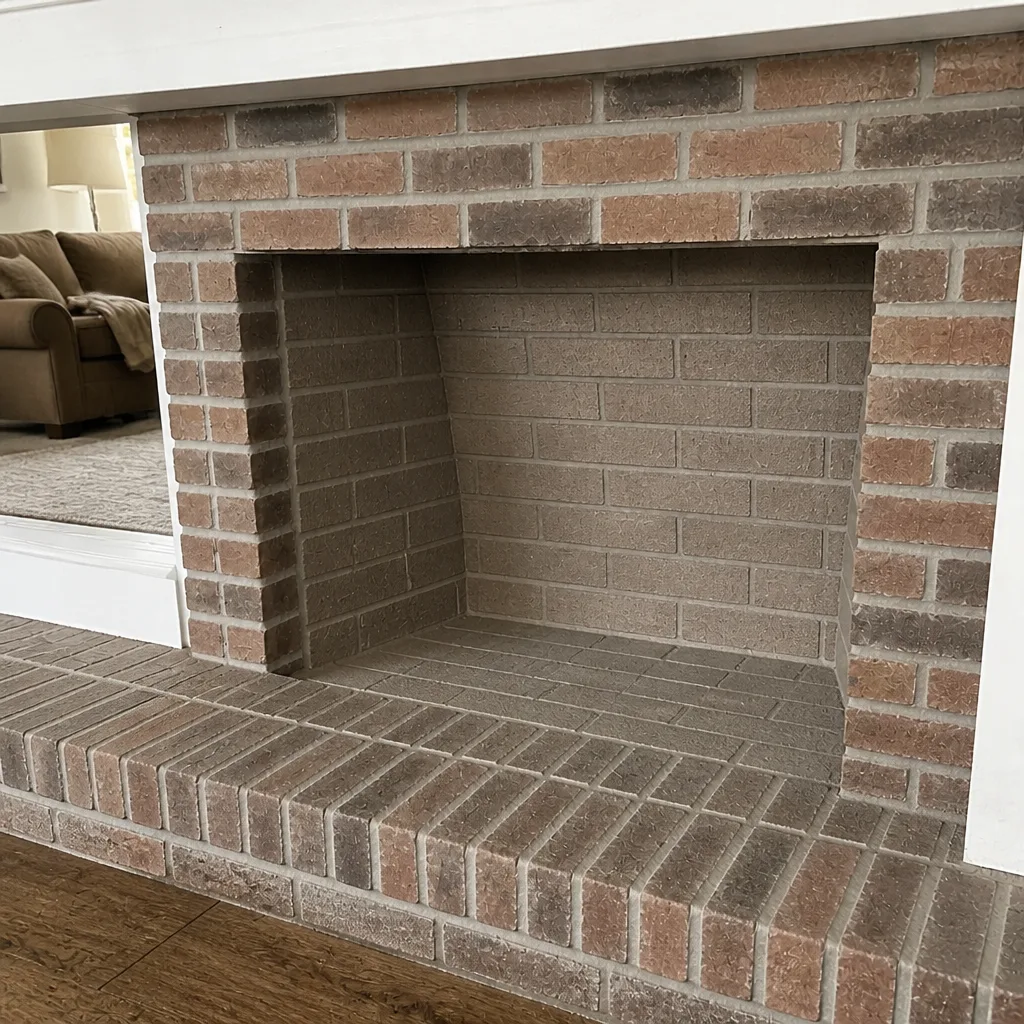 After
Common Mistakes to Avoid
- Assuming a quiet chimney fire is a small one. Some of the hottest fires burn with little visible smoke because the creosote is igniting in a contained pocket. If anything about the fire feels off, treat it as real and get out.
- Closing the damper on a fire you suspect is in the chimney. This traps hot gases and vapor in the flue and can push smoke into the house. Leave the damper open and let the fire service take over.
- Burning for the first time in months without a sweep. In West Anaheim’s low-use pattern, the first fire of the season is the highest-risk one. A flue that sat idle all summer has had months to collect blockages and dry out creosote.
- Using the fireplace as emergency heat on a cold snap. Running a seldom-used fireplace hard for hours is exactly the scenario that ignites a glazed flue. If you need heat, use the home’s heating system.
- Skipping the Level 2 inspection after a fire. A chimney that survived a fire hasn’t been cleared. The damage that matters is often internal and only a camera finds it.
- Ignoring a damaged cap or missing spark arrestor through wind season. Santa Ana winds carry embers. A compromised arrestor turns a contained fire into a roof fire.
- Running a gas fireplace without a CO alarm nearby. Gas burns clean and gives no smoke warning. A CO alarm is the only alert you’ll get before a venting problem becomes a health event.
Frequently Asked Questions
Most wood-burning chimneys should be swept once a year, and a heavily used fireplace may need it more often. In West Anaheim’s mild climate, many fireplaces are used only a dozen or so times a season, so annual sweeping before the first burn is the right baseline. If you notice a glazed, tar-like coating, smoke backing into the room, or it’s been more than a year, book a sweep. Call (877) 792-7386 for an exact quote; estimates are free.
Chimney sweep pricing is set per job by a written estimate, and the estimate itself is free. The cost depends on the flue condition, access, and whether a camera inspection is included, so the written estimate is what sets the final price. A sweep before the season is the cheapest form of chimney fire preparedness there is. Call (877) 792-7386 for a free estimate.
The main signs are a low, rumbling roar that sounds like a distant train, a sharp hot or chemical smell that doesn’t smell like normal wood smoke, smoke backing into the room, and a sudden change in draft. Flames or dense smoke at the chimney top are a late-stage sign. If you notice any of these, get everyone out and call 911, then call a sweep once the fire service has cleared the scene.
Yes. A chimney that survived a suspected fire cannot be used again until a Level 2 inspection is completed, and that’s the industry standard after any chimney fire or sudden event. The inspection documents the flue’s condition with a camera scan and a written photo report, which is what you need for repairs, insurance, or a real estate transaction. Call (877) 792-7386 to schedule an inspection as a standalone service.
Because a flue that’s been idle for months has had time to collect blockages, let creosote dry out, and lose whatever airflow it had. West Anaheim’s low-use pattern means the fireplace often sits from February to November without a fire, and the first burn of the season is when a blocked or glazed flue is most likely to fail. A sweep before the first burn cuts that risk dramatically. Call (877) 792-7386 for a pre-season sweep.
The risk is a chimney fire that starts in creosote you can’t see, spreads through a damaged liner, or pushes carbon monoxide into a home with no working alarm. None of that is guaranteed, and plenty of chimneys get away with neglect for a while. But the failure mode is severe and the prevention is a sweep and an inspection. Call (877) 792-7386 for a free estimate before the season starts.
The Bottom Line
Chimney fire preparedness in West Anaheim comes down to timing. The dangerous nights are the ones after the Santa Ana winds have dried everything out and the first cold snap pushes you to light a fire in a flue that hasn’t been checked since last winter. Get a sweep before the first burn, confirm the cap and spark arrestor are intact, test every CO alarm, and know the signs of an active chimney fire so you can act in the first two minutes. If a fire does happen, a Level 2 inspection comes before any future burn. Clean flue. Sound structure. Safe fire. That’s the whole system, and it’s worth protecting before the wind picks up.
From cleaning to cap and crown work to fireplace repair, we handle the full chimney system with professional-grade materials and an inspection-first approach. Chimney Sweep West Anaheim is your one call for the sweep, the inspection, and any repair the inspection uncovers. Call (877) 792-7386 for a free estimate. We answer 24/7. Fast dispatch from 7am to 7pm, Sunday through Friday.
Written by the team at Chimney Sweep West Anaheim.