
Last updated November 24, 2026
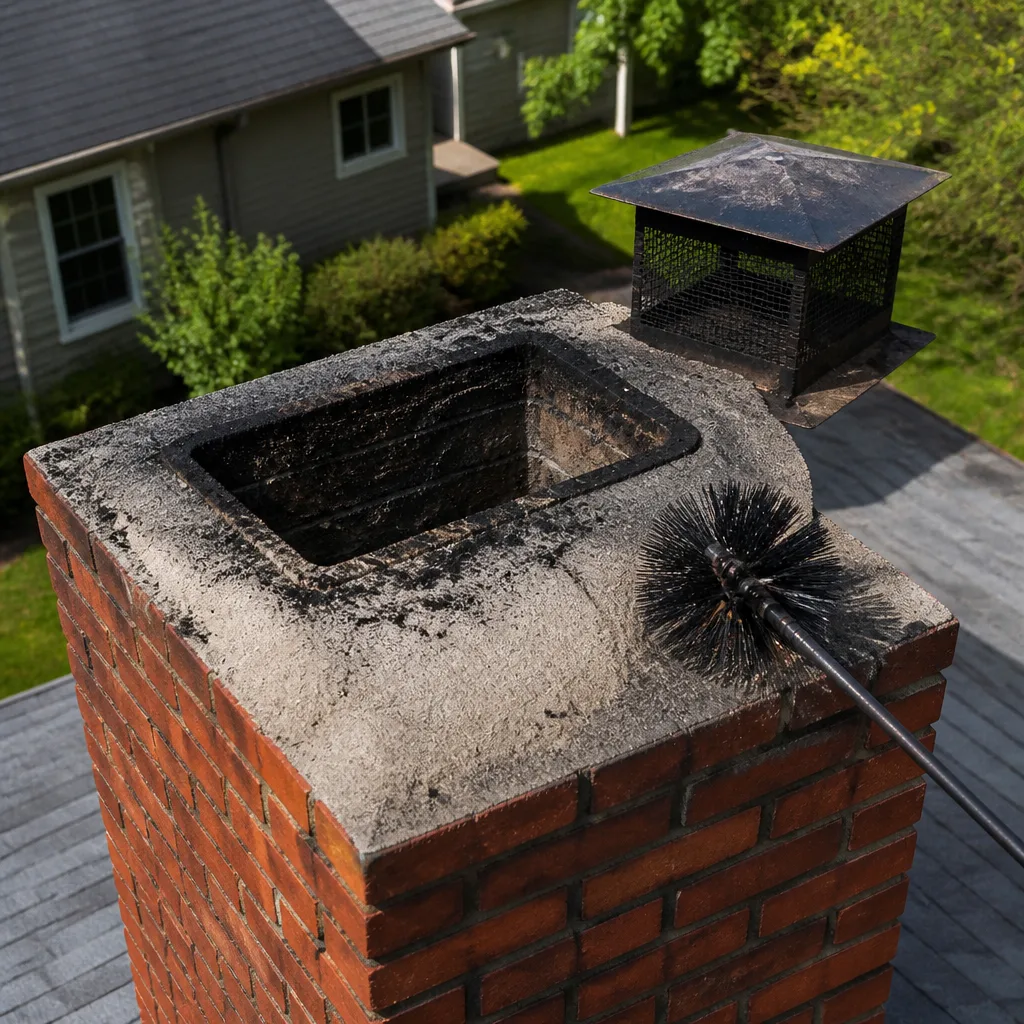 Sweep & inspection
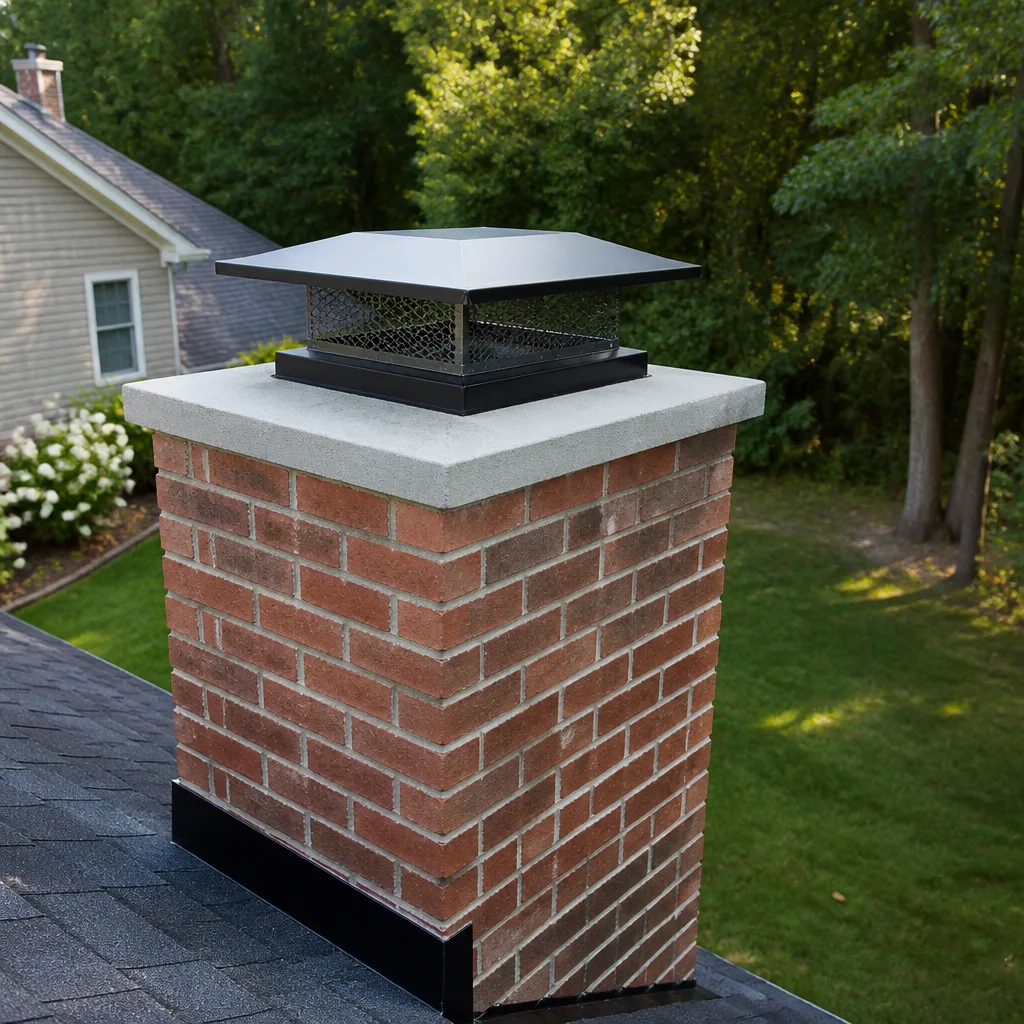 Caps & crowns
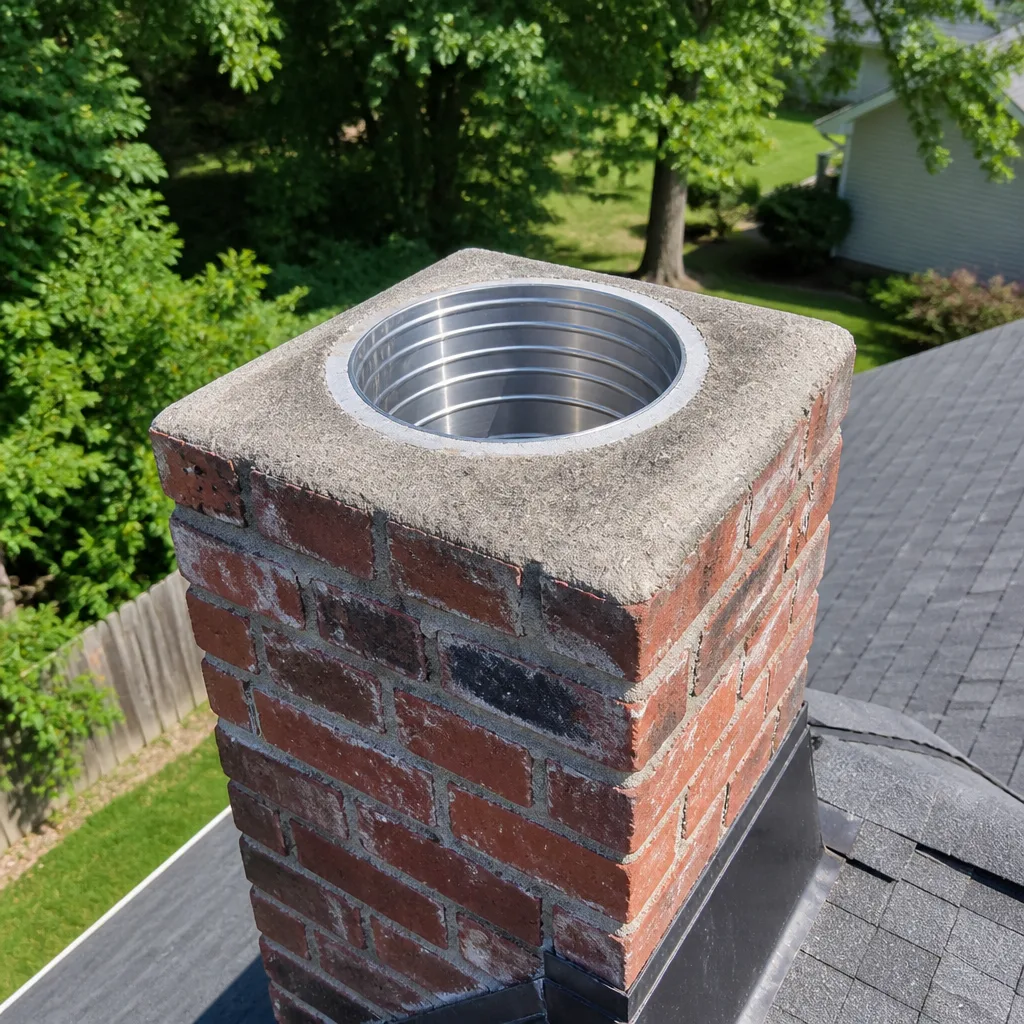 Flue relining
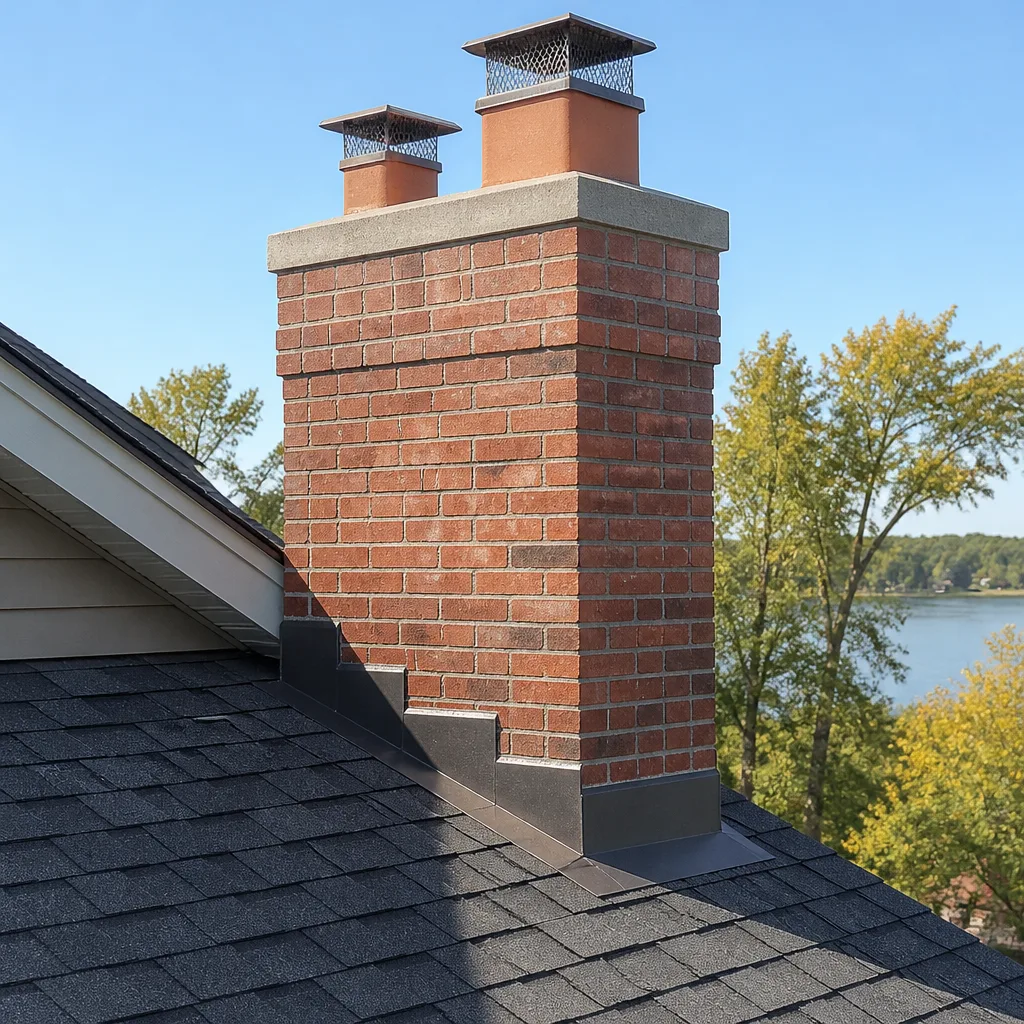 Masonry repair
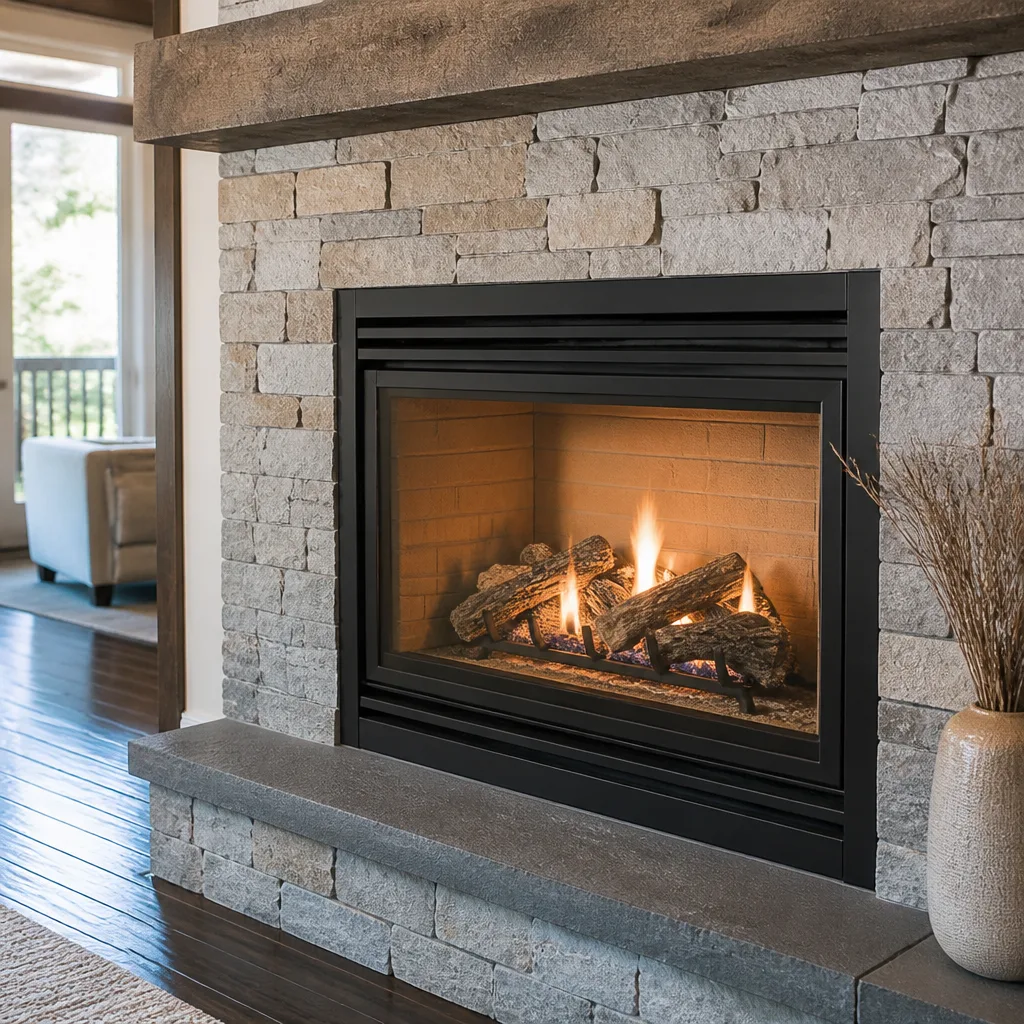 Gas fireplace service
Level 1 sweep and inspection to the NFPA 211 annual standard - flue, crown, cap, and flashing checked and photographed
Chimney sweep logs do not sweep chimneys. They loosen some creosote - which then falls where a brush and vacuum still have to collect it.
Chimney Cleaning Permits, Codes & Inspections in West Anaheim, CA: What You Need to Know
A chimney cleaning doesn’t need a permit. A new stainless steel liner installation in your West Anaheim home absolutely does, and unpermitted chimney work can void your homeowner’s insurance and complicate a future home sale. Most homeowners assume the whole category of chimney work sits outside the permit system. That assumption holds for routine sweeping and falls apart the moment a job crosses into relining, firebox rebuilding, or replacing a cap and crown. This guide walks through where California’s building code and the City of Anaheim’s local requirements draw that line, what a Level 2 inspection actually documents, and how to confirm that repair work on your chimney was pulled, inspected, and closed out properly.
Quick Answer
Routine chimney cleaning and sweeping do not require a building permit in West Anaheim. Structural chimney work does: relining, firebox rebuilding, cap and crown replacement, and any modification to the flue or venting system trigger a permit under the California Residential Code and Anaheim’s local amendments. A Level 2 inspection is the document that tells you whether the work you need is permit-level or not, and it’s the report real estate transactions and insurers ask for.
Styles & brands we work with
- Sweep & inspection
- Caps & crowns
- Flue relining
- Masonry repair
- Gas fireplace service
Table of Contents
- Where the Permit Line Falls: Cleaning vs. Modification
- California Residential Code R1003 and Anaheim’s Local Amendments
- How NFPA 211 and California’s Title 24 Work Together
- Real Examples: Which Common Chimney Jobs Need a Permit
- What a Level 2 Inspection Report Means for a Home Sale
- How to Verify Your Contractor’s Work Was Pulled, Inspected, and Closed
- Common Mistakes to Avoid
- Frequently Asked Questions
Where the Permit Line Falls: Cleaning vs. Modification
The easiest way to think about it: a sweep removes creosote and debris from a system that already exists and stays exactly as it is. That’s maintenance, and maintenance doesn’t get permitted. The moment a job changes the physical system, replaces a component, or interrupts the structure of the chimney, you’re in permit territory.
For a West Anaheim homeowner with an older fireplace, this distinction matters more than it might seem. The housing stock in this part of the city includes a lot of mid-century ranch homes with original masonry chimneys, plus newer construction with factory-built metal fireplaces. Both kinds of systems eventually need component replacement, and both trigger the same permit obligation when they do.
Here’s the practical list of what stays permit-free and what doesn’t:
- No permit needed: A standard chimney sweep, a Level 1 or Level 2 inspection, minor mortar touch-ups on the firebox, and light caulking at the flashing.
- Permit required: Installing a new stainless steel liner, resurfacing an existing flue with HeatShield or a comparable system, rebuilding a firebox, replacing a damaged crown, installing a new chimney cap & crown, and any change to the venting path or flue sizing.
- Often permit required: Converting a wood-burning fireplace to gas with a new vent, adding a fireplace insert, and changing the flue height or termination point.
We’ve seen a lot of homeowners in West Anaheim get tripped up on the crown and cap category. Replacing a crumbling concrete crown feels cosmetic, but it’s a structural component that seals the top of the masonry chimney, and most jurisdictions treat it as a permitted repair. The written estimate is what sets the final price on any of these jobs, and the permit status should be spelled out on it before the work starts.
California Residential Code R1003 and Anaheim’s Local Amendments
Section R1003 of the California Residential Code governs masonry fireplaces and chimneys. It sets requirements for the firebox, the flue lining, the thickness of masonry walls, the height of the chimney above the roofline, cap requirements, and the clearance from combustible materials. When a chimney repair changes any of those elements, the work has to meet R1003 as it’s currently adopted, not the code that existed when the house was built.
That’s the part that surprises people. A chimney built in the 1950s may have met the code of its day and still fall short of today’s R1003 requirements. So when a contractor opens up the firebox or replaces a liner, the inspector reviewing the permit is checking the whole assembly against current standards. Repairs get held to a higher bar than the original build did.
Anaheim’s local amendments sit on top of the state code. Every city adopts the California codes with its own additions, and the local building department is the authority having jurisdiction over your chimney. The city can add requirements for seismic anchoring, which matters in Southern California, and for how vents terminate through roofs. What that means for a West Anaheim homeowner is simple: the state code is the floor, and the city building department has the final word on what your project needs.
You don’t have to memorize R1003 to get a compliant chimney. You do need a contractor who knows it cold and pulls permits correctly. Our technicians have up to 15 years of experience and work with a curated roster of professional-grade product lines, including DuraFlex and Olympia Chimney, so the materials going into a permitted liner job meet the standards an inspector expects to see.
California’s Title 24 energy code enters the picture mostly at the appliance and venting level. It governs how efficient a wood-burning appliance has to be and how it’s vented, which comes up on insert installations and fireplace conversions. For a plain reline or a firebox rebuild, R1003 is the governing code, and Title 24 gets consulted when the appliance itself is being replaced.
How NFPA 211 and California’s Title 24 Work Together
NFPA 211 is the national standard for chimneys, fireplaces, vents, and solid fuel-burning appliances. It’s not law on its own; it’s a standard that building codes reference, and California’s residential code does reference it. NFPA 211 is where the inspection levels come from, and it’s where the rules for flue sizing, clearance to combustibles, and chimney height live.
The two frameworks do different jobs. NFPA 211 tells you what a compliant chimney looks like and how to inspect one. R1003 tells you what has to be built and what needs a permit. A well-run chimney project satisfies both, and here’s what that looks like on paper:
- A written scope of work that names the components being replaced, the product line being used, and whether a permit is required.
- A permit application with the city filed before work begins, listing the inspection stages the city wants to see.
- A Level 2 inspection report documenting the condition of the flue, the firebox, the crown, and the venting before and after the work.
- Inspection sign-off by the city at rough and final stages.
- A closed permit on record with the building department.
That paper trail is what protects you. It’s what an insurer asks for if there’s ever a claim, and it’s what a buyer’s inspector looks for when they check the permit history on your West Anaheim home before closing. A sweeper who only cleans flues and hands you a receipt hasn’t created any of it.
This is where a full-system specialist earns their keep. Chimney Sweep West Anaheim works with professional-grade product lines from HeatShield, Gelco, Copperfield, and Famco. Those are brands the trade knows for caps, liners, and venting components that inspectors recognize. Naming a product on a permit application gets easier when the product is one the inspection community already trusts.
Real Examples: Which Common Chimney Jobs Need a Permit
Here’s where the abstract rules turn concrete. These are the kinds of jobs we see in West Anaheim all the time, and each one has a clear permit answer.
A routine annual sweep
No permit. A sweep with a camera inspection and a photo report only documents the system as it is. If the report comes back clean, you’re done. If it flags a cracked liner, you’ve caught the problem before it turned into a repair.
Relining a flue with a stainless steel liner
Permit required. Installing a DuraFlex liner or an equivalent stainless system is a modification to the venting path. The permit is filed with a scope of work, the liner is installed to the manufacturer’s instructions and to code, and the city inspects it before the job closes. This is the most common permitted chimney repair we see, and it’s exactly the job a homeowner might, wrongly, expect to be permit-free.
Resurfacing a damaged flue with HeatShield
Permit required. HeatShield is a lining restoration system rather than a full liner replacement, but it modifies the flue, so a permit is typically part of the job. This is where brand familiarity matters. A contractor who’s worked with HeatShield knows what the restored flue should measure out to afterward, which lines up with what the inspector checks for.
Rebuilding a firebox
Permit required. A firebox rebuild is structural masonry work. R1003 sets the dimensions and material requirements, and the city inspects it before the fireplace can be used again. Skipping the permit here is one of the riskier shortcuts, because a firebox that doesn’t meet code is a fire risk inside your home.
Replacing a cracked crown
Permit required in most cases. The crown is the concrete cap at the top of a masonry chimney, and replacing it is a structural repair. While the crew is up there, that’s also the right time to install a quality cap from a line like Copperfield or Famco, so the chimney is protected from rain and animal intrusion going forward.
A fireplace repair on the damper or the firebox door
Usually no permit. Replacing a damper, repairing a firebox door, or resealing the firebox joints is maintenance on existing components. If the repair escalates into firebox rebuilding or flue work, the permit question changes.
What a Level 2 Inspection Report Means for a Home Sale
A Level 2 inspection is the standard inspection you want before you buy or sell a house with a fireplace. Under NFPA 211, a Level 2 inspection covers everything a Level 1 covers plus access to hidden areas: the attic, the crawlspace, the roof, and the interior of the flue by camera. It’s the report that turns “the chimney seems fine” into a documented picture.
In California, sellers are required to disclose known material defects in the property. A chimney problem the seller knows about and hasn’t fixed is a material defect. A Level 2 inspection report is how sellers document the condition of the chimney, and how buyers find out whether there’s a liner problem the seller didn’t know about. In a West Anaheim transaction, that report often becomes a negotiating item: the buyer asks for a reline, the seller has to decide whether to do it or credit it.
For insurance, the picture is similar. A new policy on an older home with a wood-burning fireplace may come with a request for an inspection, and a relined chimney in good standing is what a lot of underwriters want to see on paper. A sweep receipt says someone cleaned the flue. A Level 2 report says what’s inside it.
One point worth making plainly, because it’s the thing that makes homeowners hesitate: we inspect before we recommend. Nothing gets sold to you that isn’t backed by camera evidence you can look at yourself. When the report shows a chimney that’s in good shape and needs only a sweep, we say so, because a reline that isn’t needed is money you shouldn’t spend.
How to Verify Your Contractor’s Work Was Pulled, Inspected, and Closed
Unpermitted chimney work is a liability you carry, not the contractor. If a reline was done without a permit and later causes a fire, the insurer can deny the claim on the grounds that the work was unpermitted. If you go to sell and the buyer’s inspector finds unpermitted work, you get to either tear it out or credit the buyer. The documentation is what protects you, and it’s surprisingly easy to check on your own.
- Look at the estimate. Before any repair work starts, the written estimate should say whether a permit is required and name the components being replaced. If it doesn’t, ask. The estimate sets the final price, so the permit question should be settled before you sign.
- Ask for the permit number. Once a permit is filed with the City of Anaheim, the contractor has a permit number. Get it in writing before work starts.
- Check the city’s online permit portal. Anaheim, like most Southern California cities, lets residents look up permit history online. Search your address and confirm the permit exists and shows the inspection stages.
- Confirm the inspections were signed off. A permit that was pulled and never inspected is still an open permit, and an open permit is a red flag on a future sale. Ask for the final inspection sign-off.
- Keep the closed permit with your closing documents. When the city marks the permit complete, that record stays searchable. It’s your proof that the work met code and was signed off.
We look at this the same way from our side. One call covers sweep, cap, crown, liner, and repair at Chimney Sweep West Anaheim, and the permit status is part of the scope of every repair job. If the work needs a permit, we tell you, file it, and walk through the inspection with the city. What you’re left with is a closed permit on file and a chimney that’s documented.
See the difference
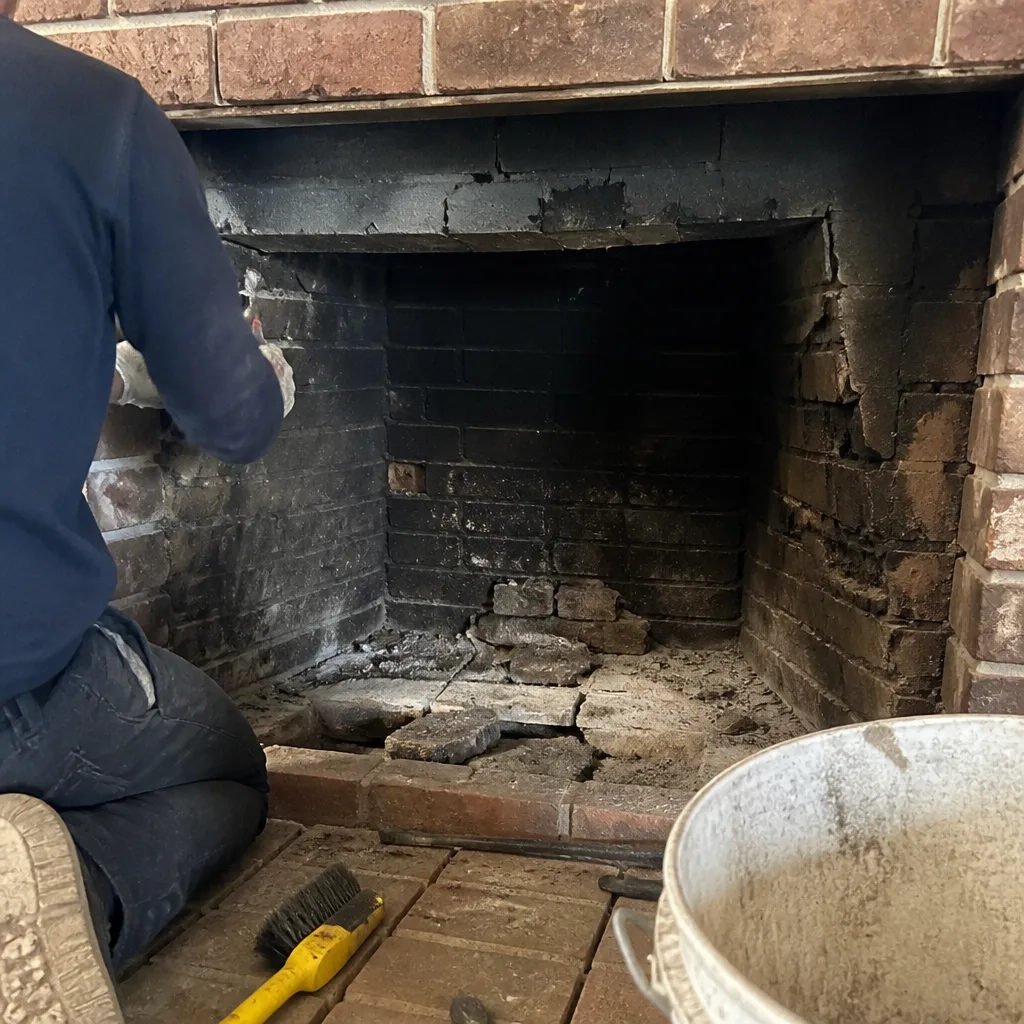 Before
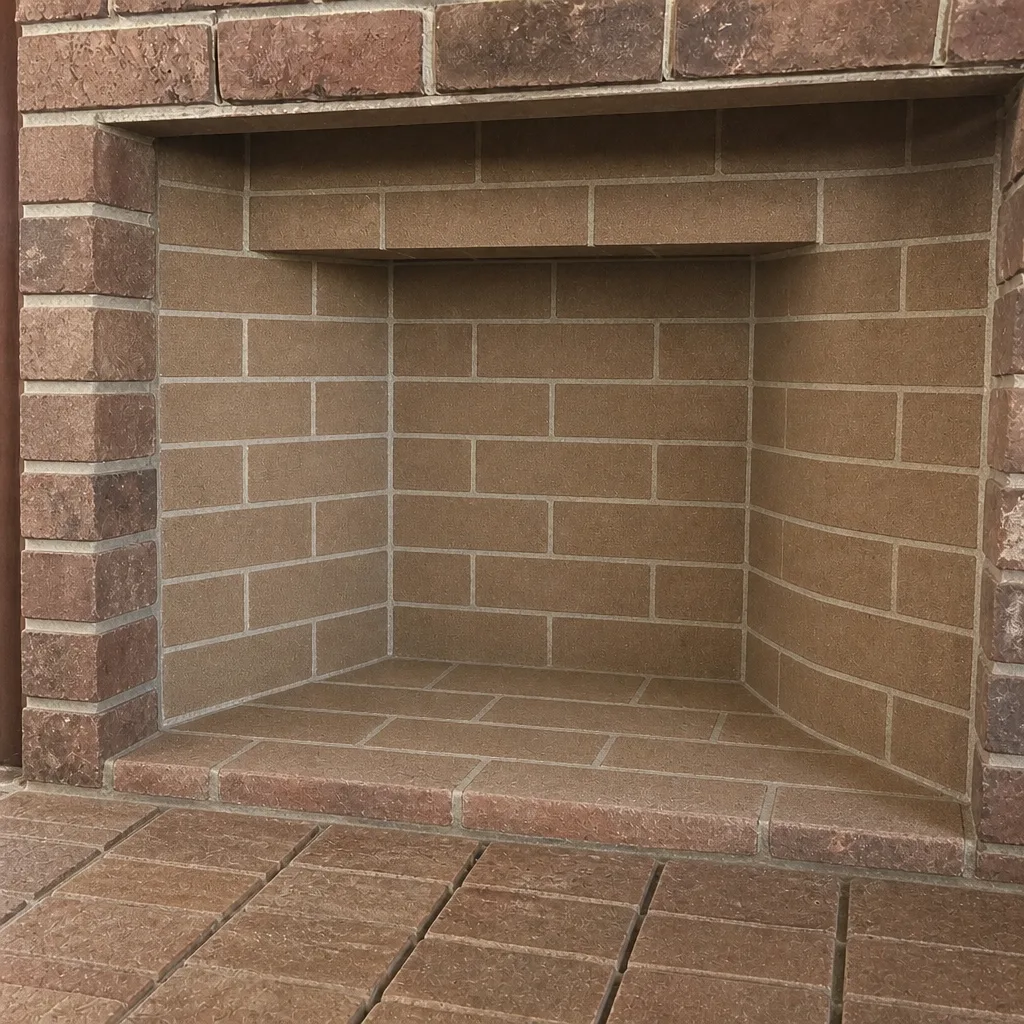 After
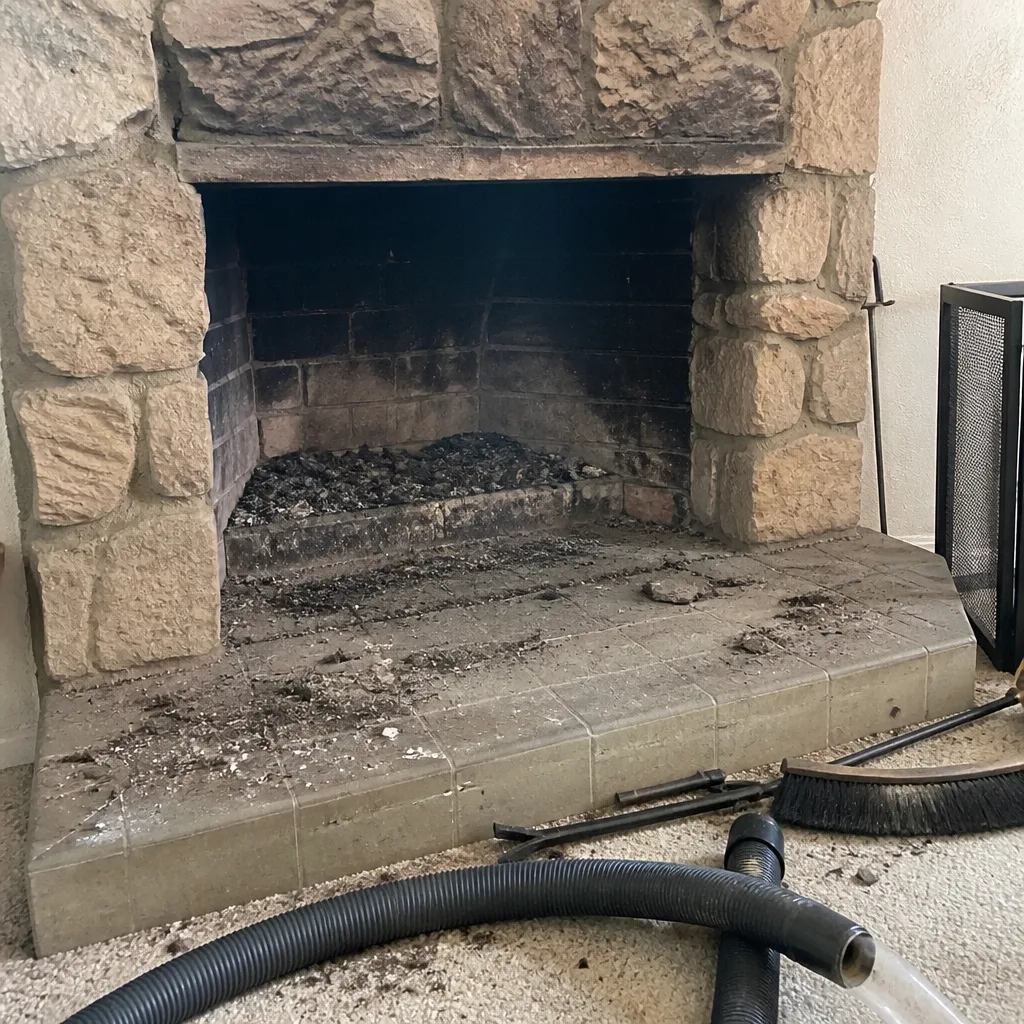 Before
 After
 Before
 After
Common Mistakes to Avoid
- Assuming all chimney work is permit-free. Routine sweeping is permit-free, but relining, firebox rebuilding, and crown replacement are not. Treating the whole category the same way is how unpermitted repairs get made.
- Having a reline done without a permit to save on scheduling. The permit process is what gets the work inspected, and unpermitted work can be a claim denial on a future insurance file. It doesn’t save you money in the long run.
- Taking a home inspector’s word for the chimney’s condition. Home inspectors look at chimneys, but a Level 2 inspection with a camera is a different service and produces a different report. If you’re buying a home in West Anaheim, ask for the Level 2.
- Pulling a permit and not closing it. An open permit on your address is a problem at resale. Ask for the final inspection sign-off and keep it with your records.
- Installing mismatched components. A copper cap on one line and a factory liner from another can leave the system out of compliance. A curated product roster from lines like Famco or Olympia Chimney keeps a single system consistent.
- Skipping the annual sweep because the chimney “seems fine.” A sweep is how you find out what’s going on inside the flue. Nothing is recommended without camera evidence, so a sweep is what lets you make an informed call in the first place.
- Ignoring a crumbled crown. A cracked crown lets water into the masonry, and the damage gets worse every rainy season. Crown repair is a permitted job, and the sooner it happens, the smaller it stays.
When to Call a Professional
Call a professional chimney service when you’re buying or selling a home with a fireplace, when your insurer asks for a chimney inspection, or when your annual sweep turns up a problem. Call when you notice soot falling back into the firebox, smoke rolling out into the room instead of up the flue, a fireplace that smells off when it’s not in use, or a crown that’s visibly cracked from the roof. Call before you light the first fire of the burning season, and call ahead of any repair that changes the flue, the firebox, or the crown, so the permit and inspection are handled correctly. Chimney Sweep West Anaheim offers free estimates in West Anaheim. Call (877) 792-7386. We answer 24/7. Fast dispatch from 7am to 7pm, Sunday through Friday.
Frequently Asked Questions
No. Routine chimney cleaning does not require a building permit in West Anaheim or anywhere else in California, because a sweep removes debris from a system that already exists and doesn’t change it. A permit becomes necessary when the work turns into a repair or modification: relining, firebox rebuilding, crown replacement, or any change to the flue. Call (877) 792-7386 for an exact quote. Estimates are free.
Installing a new stainless steel liner, resurfacing a flue with HeatShield, rebuilding a firebox, replacing a crown, and changing the flue height or venting path all require a permit under the California Residential Code. Section R1003 governs masonry fireplaces and chimneys, and the City of Anaheim’s building department has authority over local requirements on top of the state code. The written estimate should name the permit status before work begins.
A Level 2 inspection is a camera inspection of the flue plus access to hidden areas, including the attic, crawlspace, and roof. NFPA 211 defines what the inspection covers. You don’t have to get one for a home sale under California disclosure law, but it’s the report most real estate transactions ask for, because it documents the condition of the chimney for both buyer and seller.
Yes. If a reline or firebox rebuild was done without a permit and later causes a loss, an insurer can deny the claim on the grounds that the work was unpermitted and uninspected. A closed permit with the City of Anaheim is what shows the work was inspected and signed off, so keep it with your closing documents.
Search the City of Anaheim’s permit records online using your address, or ask the contractor for the permit number and the final inspection sign-off. A permit that was pulled and never inspected is still open, and an open permit shows up on a future sale. Call (877) 792-7386 for an exact quote. Estimates are free.
A cleaning visit removes creosote and debris and produces a camera inspection with a photo report; no permit is involved. A repair visit replaces or modifies a component of the system, which is where the permit and inspection questions come in. A sweep that never turns into a repair stays permit-free; anything that changes the system doesn’t.
The Bottom Line
Chimney cleaning is permit-free. Chimney modification is not. That’s the whole rule, and it holds whether you’re in West Anaheim or anywhere else in California. Routine sweeping and inspections document a system that’s already in place. Relining, firebox rebuilding, and crown replacement change the system, so they’re governed by Section R1003 of the California Residential Code and the City of Anaheim’s building department. A Level 2 inspection is the report that tells you which side of that line your chimney is on, and a closed permit is the record that proves the work was done right. We inspect before we recommend, and we leave you with documentation you can use. A complete chimney system, properly maintained: clean flue, sound structure, safe fire.
Chimney Sweep West Anaheim covers sweep, cap, crown, liner, and repair under one roof, using professional-grade materials from brands chimney specialists trust. Call (877) 792-7386 for a free estimate. We answer 24/7. Fast dispatch from 7am to 7pm, Sunday through Friday. Learn more about our Chimney Sweep West Anaheim services before your next burning season.
Written by the team at Chimney Sweep West Anaheim.