
Last updated November 24, 2026
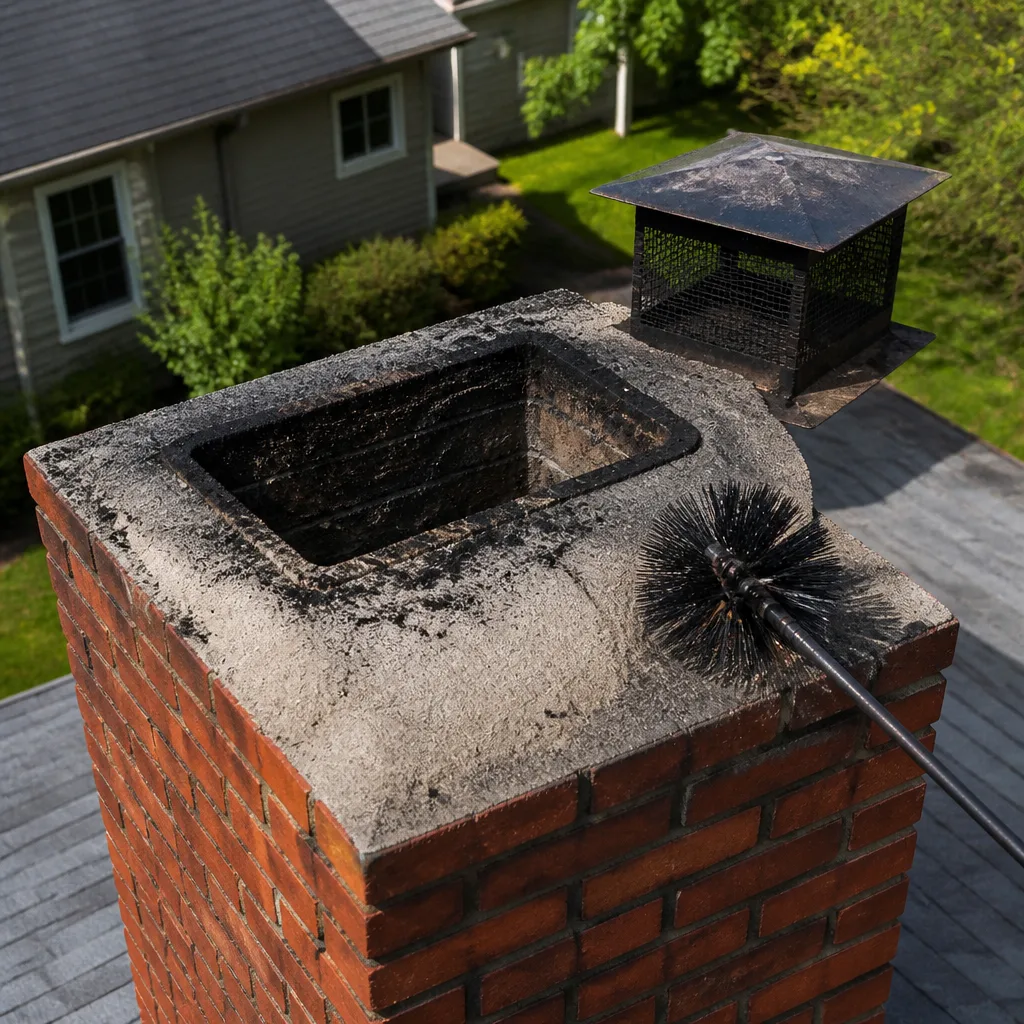 Sweep & inspection
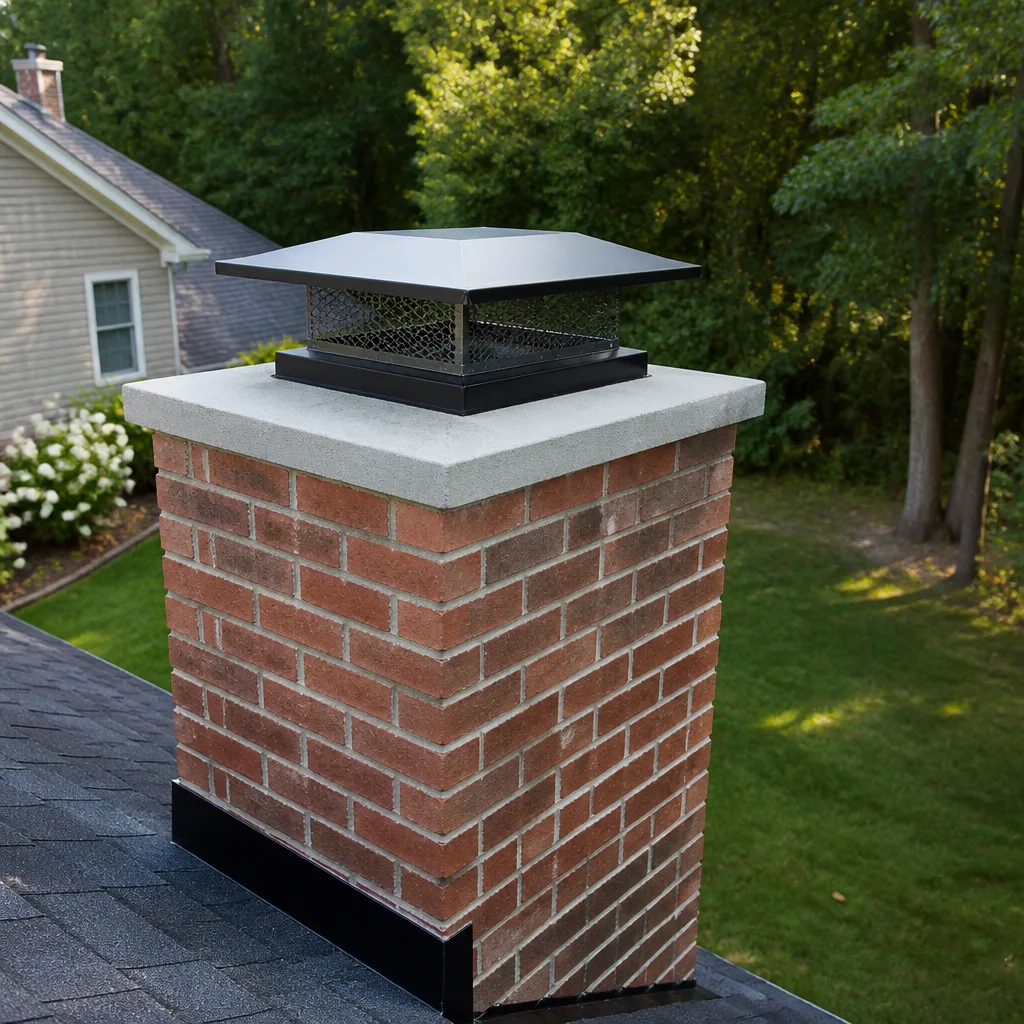 Caps & crowns
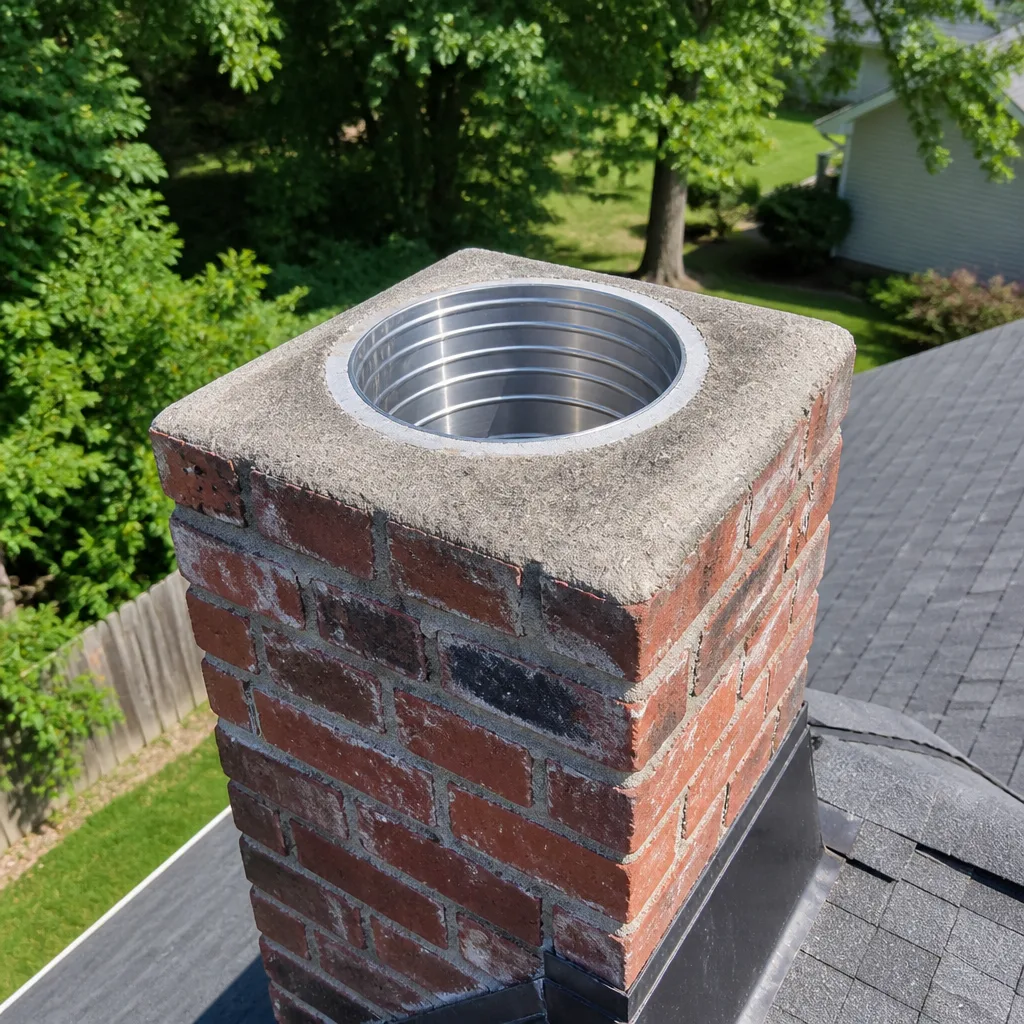 Flue relining
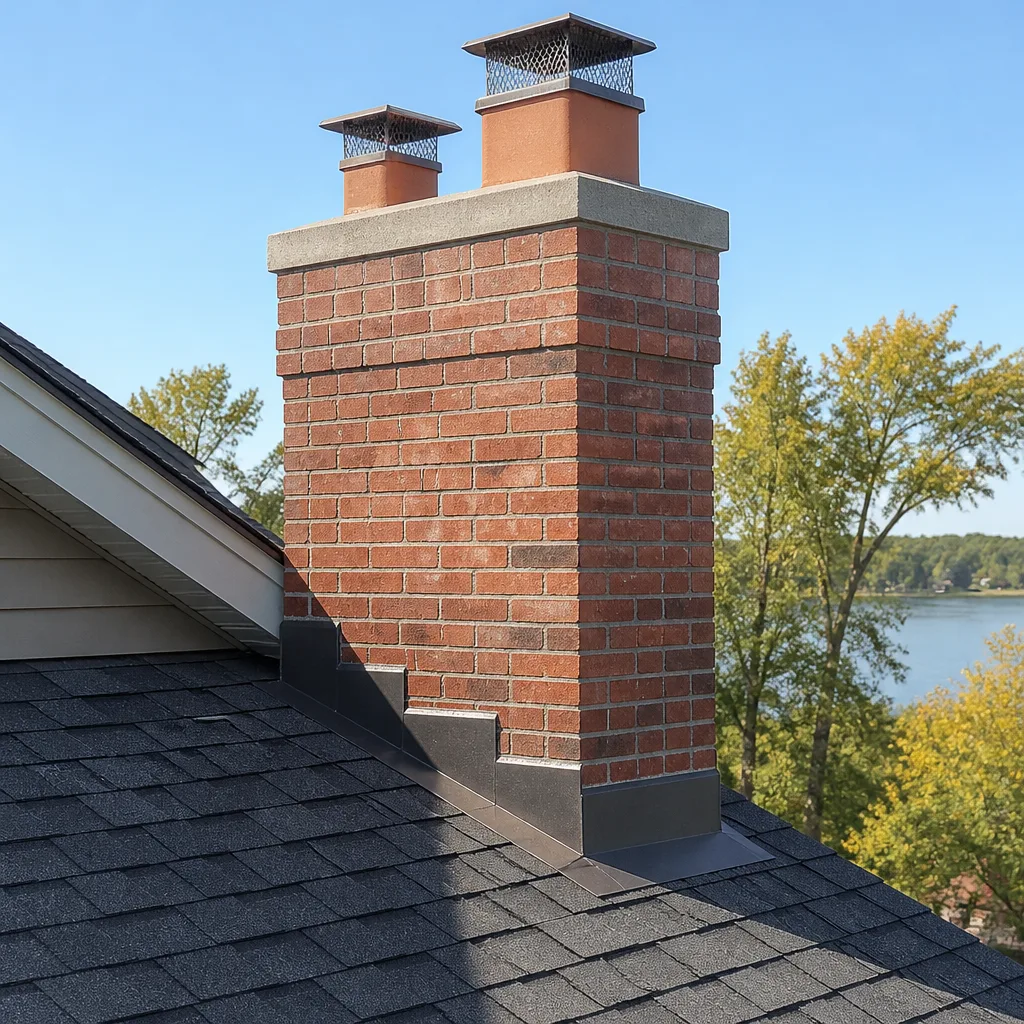 Masonry repair
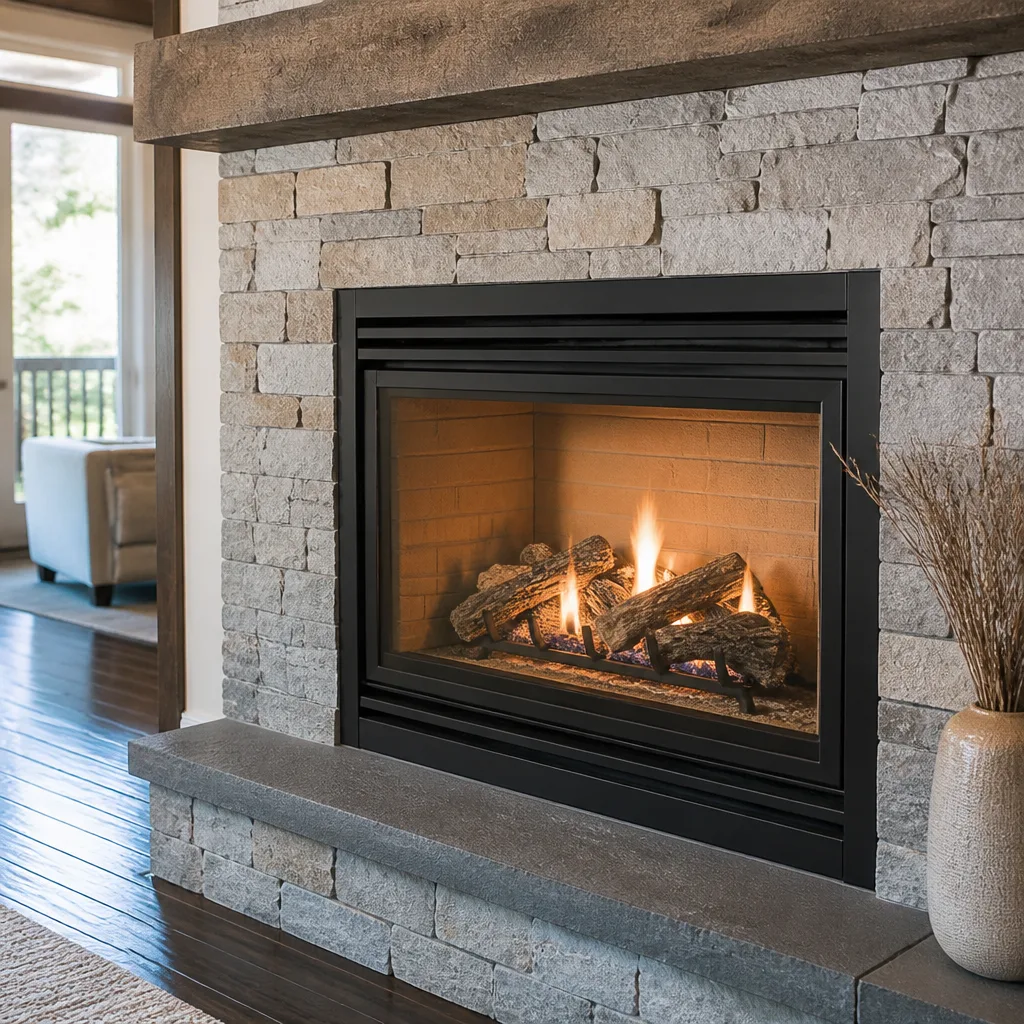 Gas fireplace service
Level 1 sweep and inspection to the NFPA 211 annual standard - flue, crown, cap, and flashing checked and photographed
Chimney sweep logs do not sweep chimneys. They loosen some creosote - which then falls where a brush and vacuum still have to collect it.
How to Hire a Chimney Cleaning Contractor in West Anaheim: A Step-by-Step Guide
California doesn’t require a chimney-specific state license to call yourself a chimney sweep. That means the person quoting your job could have opened shop last month with a brush and a ladder, and nothing in the state’s licensing system would flag it. Most hiring guides skip this fact entirely, which leaves West Anaheim homeowners comparing wildly different quotes with no idea what separates a trained specialist from a general handyman with a side offering. This guide gives you the credential checks and technical questions that actually tell them apart, so the contractor you hire is the one who knows what your flue needs.
Quick Answer
To hire a chimney cleaning contractor in West Anaheim, verify three things before you book: that the contractor holds a current CSIA (Chimney Safety Institute of America) certification, that their written scope includes a documented inspection report and not just a sweep, and that they carry the insurance a trade working on your roofline and interior flue should. Ask the five technical questions in this guide about liner material, inspection level, creosote classification, and equipment, and confirm the price is fixed per job in writing. A quote that leaves out the inspection report is not a bargain; it’s a missing safety assessment.
Styles & brands we work with
- Sweep & inspection
- Caps & crowns
- Flue relining
- Masonry repair
- Gas fireplace service
Table of Contents
- Why Chimney Work Is Largely Unregulated in California
- What CSIA Certification Actually Verifies
- Five Technical Questions to Ask Before You Book
- Why a Low Quote That Skips the Report Is a Warning Sign
- How to Cross-Check a Contractor’s Record
- What “Full-System Specialist” Means in Practice
- West Anaheim Details That Affect Your Chimney
- Common Mistakes to Avoid
Why Chimney Work Is Largely Unregulated in California
California licenses contractors by trade classification, and there is no standalone chimney sweep classification in that system. A contractor can hold a general building license, a masonry license, or no license at all and still advertise chimney cleaning in West Anaheim and most other cities. The state’s licensing board regulates the business end, not the chimney-specific skill set. So the credential that tells you whether someone actually knows flues is a voluntary one, and that changes how you interview contractors.
This is not a reason to panic. It is a reason to ask better questions than you would ask a plumber or an electrician, where the license number alone does half the vetting. In an unregulated corner of the trade, the homeowner carries more of the screening work, and the contractors who take their craft seriously tend to point to credentials you can verify.
Two layers of protection still apply, and you should use both:
- The state license. Ask for the contractor’s license number if they hold one, and check it on the Contractors State License Board website. A current, active license with no disciplinary actions is your floor, not your ceiling.
- The trade credential. Ask whether they hold a current CSIA certification, and verify the individual’s name in the CSIA directory. This is the credential that speaks to chimney work specifically.
When you’re ready to compare a real specialist, our Chimney Sweep West Anaheim team can walk you through what each service includes before you book anything.
What CSIA Certification Actually Verifies
The Chimney Safety Institute of America is a nonprofit that runs the closest thing this trade has to a recognized credentialing standard. The certification is earned by passing a written exam and maintaining it through continuing education, and it can be looked up in a public directory. It is not a state license and it is not mandatory, but it does verify a specific body of knowledge, which is more than a business card tells you.
What the exam covers
The CSIA exam tests the working knowledge a sweep needs to do the job safely, not just how to push a brush. It covers the anatomy of the chimney system, how venting and draft work, the causes and stages of creosote, the codes and standards that govern installations, and the procedures for inspecting and cleaning different types of flues. Someone who has passed it can explain why your flue needs a particular liner and what the standards require, not just quote a price.
Why renewal matters
CSIA certification is not a one-time trophy. It requires continuing education to stay current, which is how a certified sweep keeps pace with changes in venting standards and equipment. When you verify a certification, check that it’s active and current, not just that the contractor once earned it. An expired certification tells you the person hasn’t kept up.
How to verify it
Ask for the certified technician’s name and look it up in the CSIA’s public directory. A contractor who holds the certification will know exactly how to point you to it. One who hedges or promises to email a certificate later is giving you information in how they answer.
Our technicians have up to 15 years of experience, and we lead with the inspection before we recommend anything, which is the practical version of what credentialed training teaches.
Five Technical Questions to Ask Before You Book
These five questions separate a specialist from a generalist faster than any review score. Ask them on the phone before you schedule, and listen for whether the answers are specific or deflected. A trained chimney professional answers all five without hesitation.
- “What liner material do you recommend, and why?” A specialist knows the difference between a stainless steel flex liner, a rigid liner, and a cast-in-place resurfacing system, and can explain which suits your flue and appliance. A generalist tends to answer with a shrug or a guess. Ask what brand they work with; recognized professional lines like DuraFlex, Olympia Chimney, and Copperfield are a sign the contractor buys trade-grade materials, not hardware-store adapter kits.
- “What level of inspection is included?” The industry recognizes three inspection levels, from a basic visual check to a full inspection with video. A cleaning shouldn’t come with a cavity-level camera assessment by default, but the contractor should be able to tell you clearly which level they’re performing and what it covers.
- “How do you classify and document creosote?” Creosote builds in stages, from a light soot that brushes off easily to a hardened, glossy glaze that takes different methods to remove. A sweep who can name the degree they found and explain what it means is doing a real assessment, not just a scrub.
- “What equipment will you use?” This covers the sweep itself (rotary rods and appropriate brushes, a HEPA vacuum to contain dust) and the inspection tools. A contractor with a proper dust-control setup and a camera for inspections is equipped for the trade; one showing up with a shop vac and a hand brush is not.
- “What’s included in writing?” Ask for a written scope that names the sweep, the inspection level, the condition findings, and the photos or report you’ll receive. Get the fixed price in writing before the work starts. If the scope is a one-line text message, that’s your answer.
If you’d like to see what a documented, inspection-first chimney sweep looks like, our West Anaheim team answers these questions before the appointment, not after.
Why a Low Quote That Skips the Report Is a Warning Sign
A quote that undercuts everyone else almost always leaves something out, and the most common omission is the written inspection. Cleaning without documenting the condition of the flue is half the job. You pay for the sweep and walk away with no record of what the inside of your chimney looks like, which means the next time a problem shows up, you have nothing to compare it to. That is a signal, not a deal.
A legitimate scope of work for a chimney cleaning in West Anaheim reads like a real document. It should tell you, in writing:
- The services included: sweeping, the inspection level performed, and any minor cap or crown checks
- The condition findings: creosote stage, any blockages, cracks, or gaps noted in the flue or firebox
- The evidence: photos or a camera record of what the technician saw, so you can see it for yourself
- The recommendation, clearly separated into what needs attention now and what can safely wait
- The fixed price, agreed before anyone climbs up or reaches in
That separation of “now” and “can wait” is what protects you from being told you need thousands of dollars of liner or masonry work you have no way to verify. A specialist shows you the camera evidence and lets you see it. Nothing is recommended without something you can look at, and we say plainly when a repair can be deferred to a later season.
How to Cross-Check a Contractor’s Record
Even without a chimney-specific license, you can verify a contractor’s business and work history in California. The Contractors State License Board maintains public records you can search in a few minutes. It won’t tell you whether someone is a skilled sweep, but it will tell you whether the business is real, licensed if it claims to be, and in good standing.
Work through these checks before you sign anything:
- Search the contractor’s business name and any license number on the Contractors State License Board website.
- Confirm the license is active, and note the classification. A masonry or general building classification tells you the contractor’s background.
- Check the complaint and disciplinary history. A pattern of complaints about incomplete work or unpaid subcontractors is worth weighing.
- Confirm the business is registered and that the name on the license or registration matches the name on your quote.
- Ask for a certificate of insurance, and cross-check the business name and any license or registration details against it.
Two things the state records won’t cover: the CSIA certification, which lives in the institute’s own directory, and the quality of the actual chimney assessment. That second one you judge from the inspection report. A contractor who offers a chimney inspection in West Anaheim as a standalone service, separate from any cleaning, is giving you a document you can evaluate on its own merits.
What “Full-System Specialist” Means in Practice
A chimney is a system, not a pipe. It includes the firebox, the damper, the smoke chamber, the flue and any liner, the crown that caps the masonry at the top, the cap that keeps weather and animals out, and the flashing where it meets the roof. A generalist who offers chimney cleaning as an add-on tends to treat the flue as a tube to be brushed and stops there. A full-system specialist looks at how all the parts work together and can fix what the sweep uncovers.
In practice, that shows up in a few concrete ways:
- Cap and crown work. A cracked crown lets water into the masonry, and a missing or damaged cap lets in rain and wildlife. Our team handles chimney cap & crown installation using components from lines like Famco and Copperfield that certified professionals recognize for quality.
- Liner restoration. Not every flue needs a full reline. Resurfacing systems like HeatShield restore a damaged flue from the inside, a technically advanced option many sweep-only companies can’t offer because they don’t carry the product.
- Fireplace and structural repair. When the inspection turns up cracks in the firebox or joints that need repointing, a specialist can handle the fireplace repair without sending you to a separate masonry contractor.
One call that covers sweep, cap, crown, liner, and repair saves you the cost and hassle of coordinating multiple trades, and it means one contractor is accountable for the whole system when a question comes up later.
West Anaheim Details That Affect Your Chimney
West Anaheim’s climate is mild for most of the year, but that mildness works against your chimney in a specific way. Winters are cool enough that households run the fireplace and the furnace during the same stretch, and the shoulder seasons see intermittent use, a fire on a chilly evening, then weeks of nothing. Intermittent burning is one of the surest ways to build the hardened, glazed creosote that’s hardest to remove, because each cool-down cycle lets deposits set before the next burn. It’s not the coldest climate that makes chimneys dirty; it’s the on-again, off-again pattern.
The housing stock across West Anaheim is a mix of mid-century ranch homes and later infill, and many older chimneys in the area have had their original liners replaced at some point, sometimes well and sometimes not. When you’re vetting a contractor, ask them to look at what’s actually in your flue rather than assuming the liner is original. In a neighborhood where a previous owner may have done an unpermitted reline, the inspection report is the only way to know what you’re burning into.
Local air-quality rules also shape how you should burn. On no-burn days, wood burning is restricted across much of the region, and a chimney with heavy creosote buildup makes every fire a dirtier one. A clean flue burns efficiently, which keeps you in line with those rules and gets more heat out of the wood you bought.
Place matters within the city, too. Homes near the older commercial corridors and the established residential blocks of West Anaheim often sit under mature trees, and tree debris, leaves, and the occasional bird nest are among the most common blockages a sweep clears. It’s worth walking your roofline after a windy stretch to see what’s collected at the cap before the first cold snap.
Common Mistakes to Avoid
Most bad chimney outcomes start with a hiring decision, not a chimney. These are the mistakes we see homeowners in West Anaheim make most often:
- Hiring on price alone. The lowest quote is usually the one that skips the written inspection and the photo record. You’re not comparing the same job at that point, you’re comparing a sweep to a sweep-plus-assessment.
- Not verifying the CSIA certification. Take the thirty seconds to look the technician’s name up in the directory. A claimed certification that doesn’t appear there is worth questioning.
- Accepting a scope with no inspection level stated. If the contractor can’t tell you which inspection level they’re performing, you have no idea what you’re getting. Ask before booking.
- Skipping the cross-check on the state licensing board. It’s free and fast, and it tells you whether the business is registered and in good standing even when no chimney-specific license applies.
- Booking a reline recommendation you can’t verify. If you’re told the flue needs a liner, ask to see the camera evidence and get the reasoning in writing. Nothing should be recommended without something you can look at.
- Putting off the first sweep because the fireplace looks fine. Creosote and blockages build where you can’t see them from the hearth. An annual check catches them before they become a chimney fire risk.
- Ignoring the cap and crown until water gets in. A damaged cap or a cracked crown lets moisture into the masonry and turns a small repair into a bigger one. Have both checked during the inspection, not after the first leak.
If a contractor’s price seems unusually low, ask directly what the scope includes and whether the written inspection is part of it. The answer tells you more than any review.
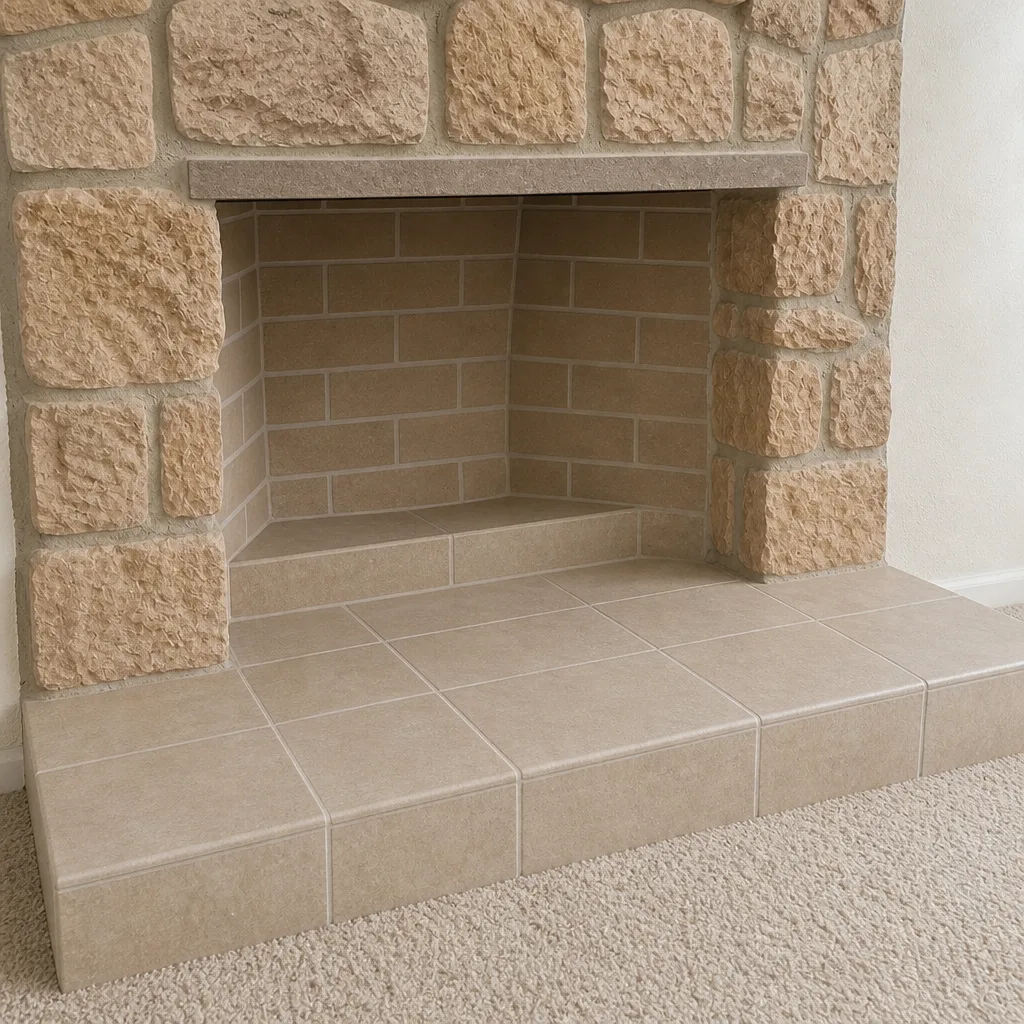
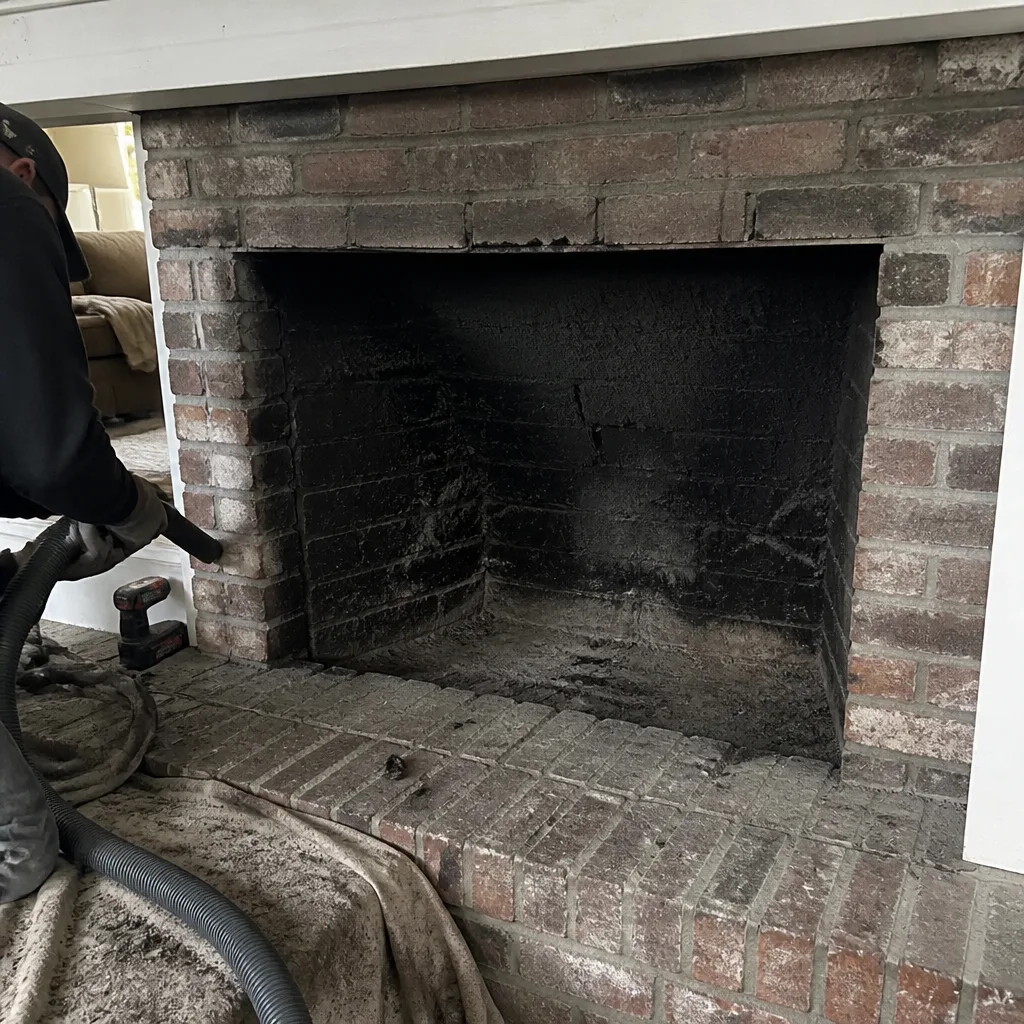
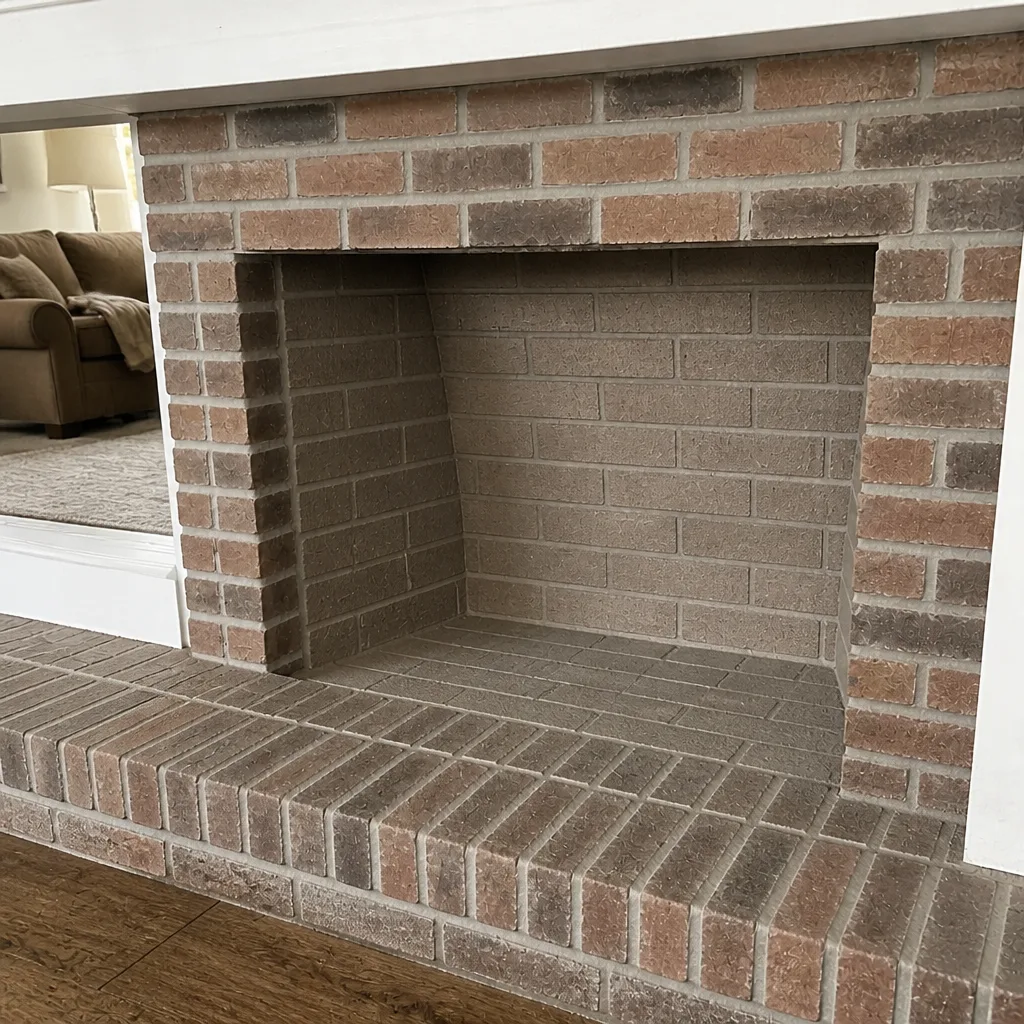
See the difference
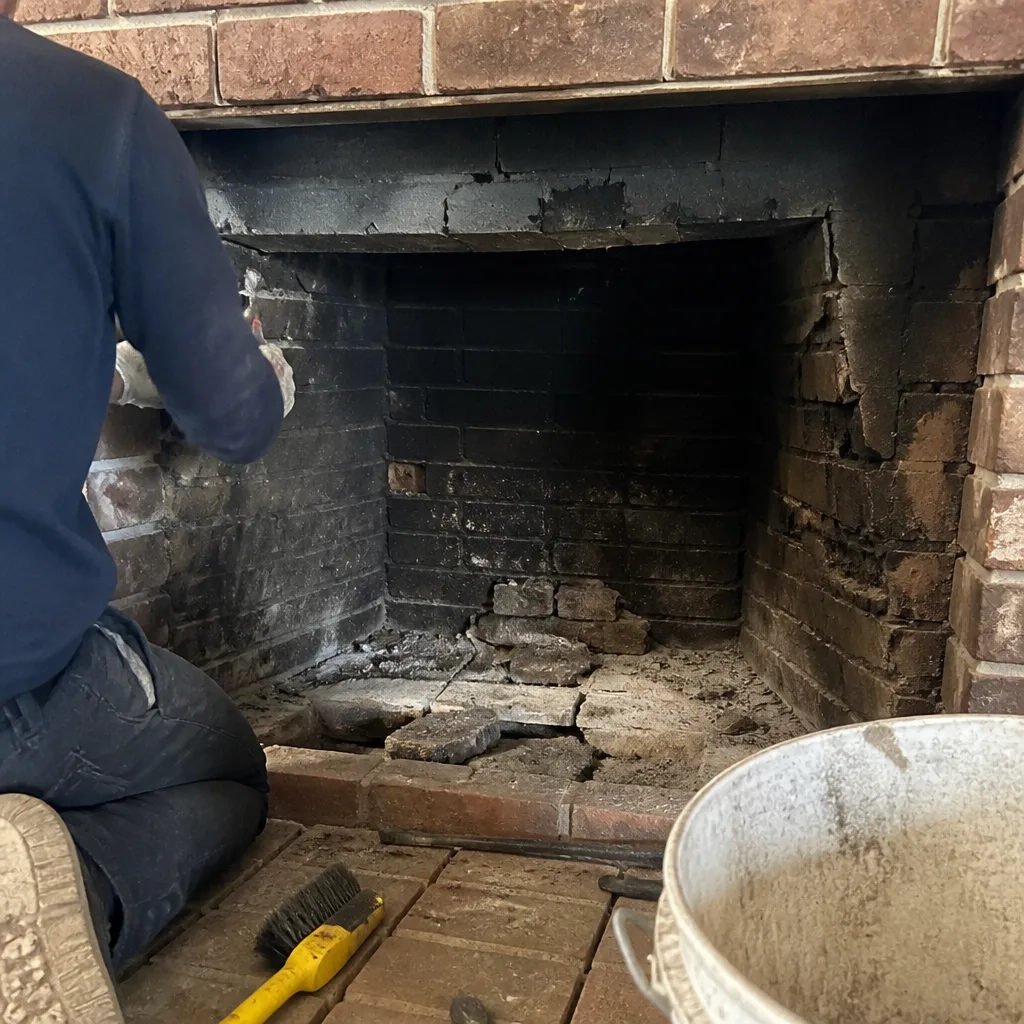 Before
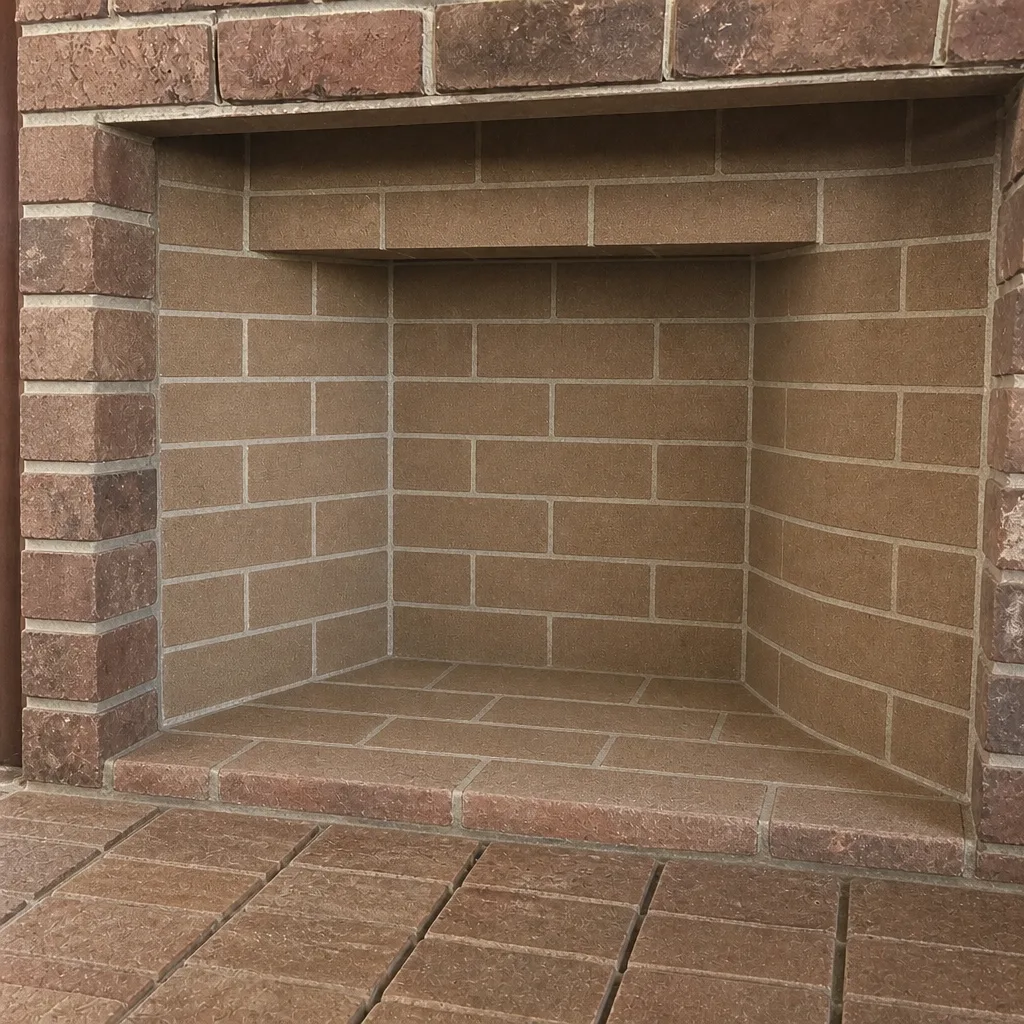 After
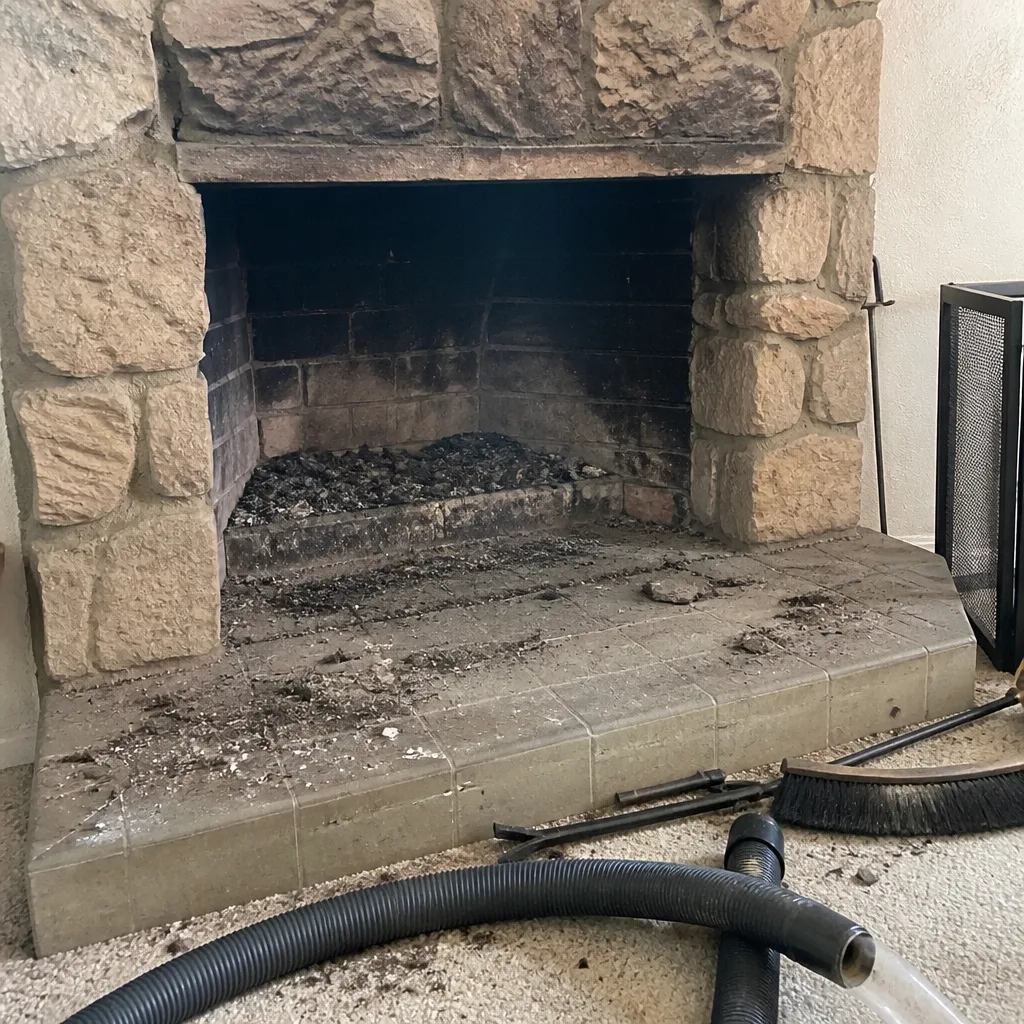 Before
 After
 Before
 After
When to Call a Professional
Some chimney work is a routine appointment, and some is a reason to stop using the fireplace until it’s checked. Call a professional when you notice any of the following: a strong smoky smell in the room long after a fire is out, smoke spilling into the room instead of going up the flue, a visible crack in the firebox or the masonry, a damaged or missing cap, water staining on the ceiling near the chimney, or a heavy, glossy black coating inside the flue. Any of these means the system needs eyes on it before the next fire. If it’s been more than a year of regular burning since the last sweep, that’s an appointment too, even if everything seems fine. Chimney Sweep West Anaheim offers free estimates in West Anaheim; call (877) 792-7386 and we’ll talk through what you’re seeing before you book.
Frequently Asked Questions
It depends on the service, your flue’s condition, and whether any cap, crown, or repair work is included, and every job is priced per job by a written estimate rather than a flat advertised number. The estimate itself is free, so the fastest way to a real figure is to book an assessment and get the scope and price in writing before any work starts. Call (877) 792-7386 for an exact quote, and the written estimate sets the final price.
Only if the inspection shows your existing liner is damaged, improperly sized, or missing. A specialist recommends a reline based on camera evidence of cracks, gaps, or corrosion in the flue, or a liner that’s the wrong material or size for your appliance, not because it’s convenient. If a contractor recommends a full reline, ask to see the camera footage and the reasoning in writing. When a flue can be resurfaced instead of fully replaced, restoration systems like HeatShield are often the better path, and we can explain which applies to you. Call (877) 792-7386 for an exact quote, and the estimate is free.
The general rule is once a year when you burn regularly, and sooner if you notice smoke problems, a heavy creosote smell, or visible damage. West Anaheim’s intermittent burning pattern, where the fireplace runs on chilly evenings and then sits idle, can build glazed creosote faster than steady use, so annual sweeps matter here. A sweep with a documented inspection each year gives you a baseline to compare against. Call (877) 792-7386 for an exact quote, and estimates are free.
Creosote accumulates inside the flue with every fire, and in its hardened, glazed form it’s highly combustible, which is the fuel for a chimney fire. A blockage such as a bird nest or heavy soot can also push carbon monoxide back into the room instead of venting it out. Neither is a reason to scare yourself, but it is a real reason to book an annual assessment. Call (877) 792-7386 for an exact quote, and the estimate is free.
No. California doesn’t issue a chimney-specific license, so the CSIA certification is the credential to look for, backed by a state license or business registration you can check on the Contractors State License Board site. Ask for the certified technician’s name and verify it in the CSIA directory, then cross-check the business on the state board. Between the two, you cover the trade skill and the business standing.
A written inspection report should state the inspection level performed, the condition of the flue, firebox, damper, cap, and crown, the creosote stage found, and any recommended work with photos or camera footage you can review. Recommendations should be split into what needs attention now and what can wait. If a report only names repairs and includes no evidence, ask for the footage before you commit to anything.
Yes. A formal chimney inspection is available on its own, separately from a cleaning, for real estate, insurance, or safety purposes. That means you can get a clear assessment of your system and decide what to act on independently, without a sweep attached. Ask for it in writing and keep the report with your home records.
The Bottom Line
California’s lack of a chimney-specific license means you are hiring in a mostly unregulated market, so your questions do the vetting. Verify the CSIA certification in the public directory, cross-check the business on the Contractors State License Board, and ask the five technical questions about liner material, inspection level, creosote classification, equipment, and written scope. Treat a low quote that skips the written inspection as a warning, not a steal. Look for a full-system specialist who can handle sweep, cap, crown, liner, and repair under one roof, and remember that West Anaheim’s stop-and-start burning builds creosote faster than steady use. A clean flue, sound structure, and safe fire start with a contractor you’ve actually checked out.
Chimney Sweep West Anaheim provides five core services: chimney sweeping, chimney cap and crown installation, fireplace repair, chimney repair, and chimney inspection. We inspect before we recommend, and nothing is suggested without camera evidence you can see for yourself. If you have one active fireplace and want a specialist you can trust for the years ahead, call (877) 792-7386 for a free estimate. We answer 24/7. Fast dispatch from 7am to 7pm, Sunday through Friday.
Written by the team at Chimney Sweep West Anaheim.