
Last updated November 24, 2026
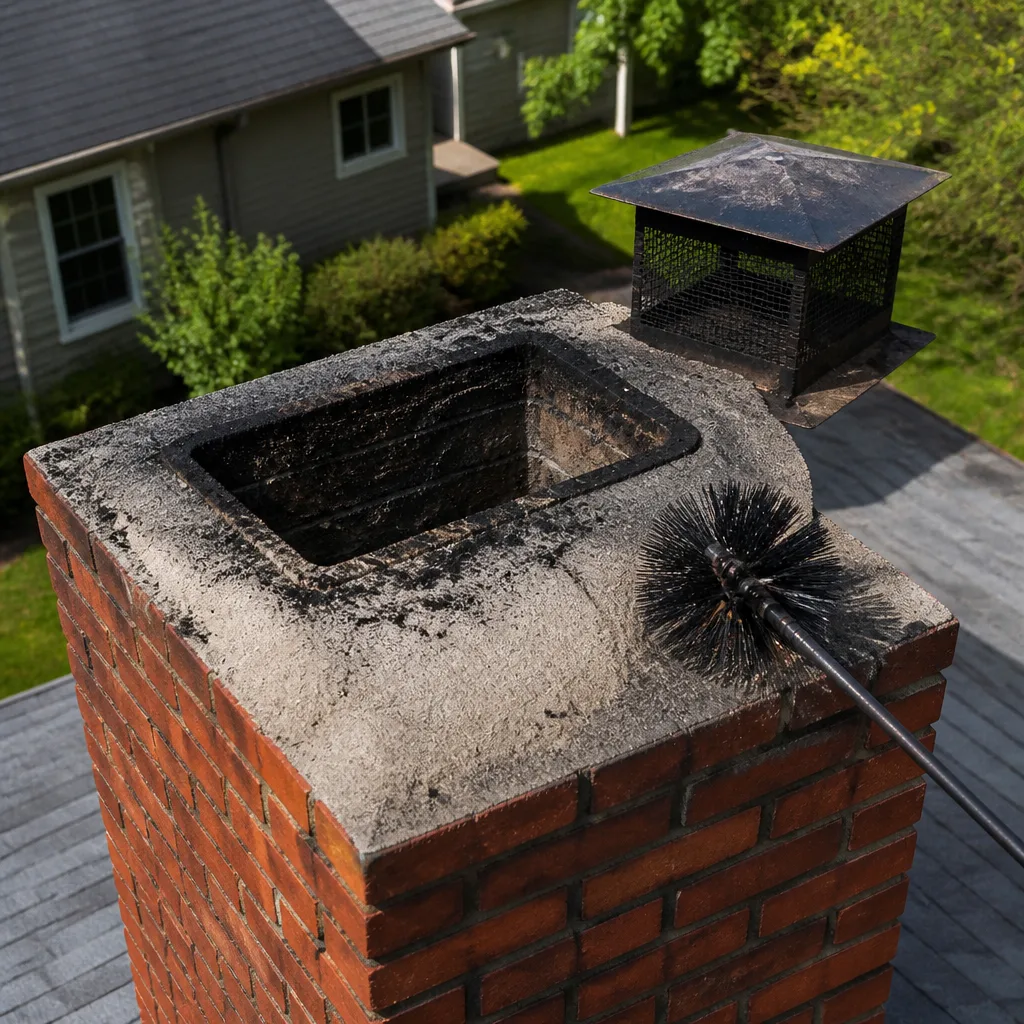 Sweep & inspection
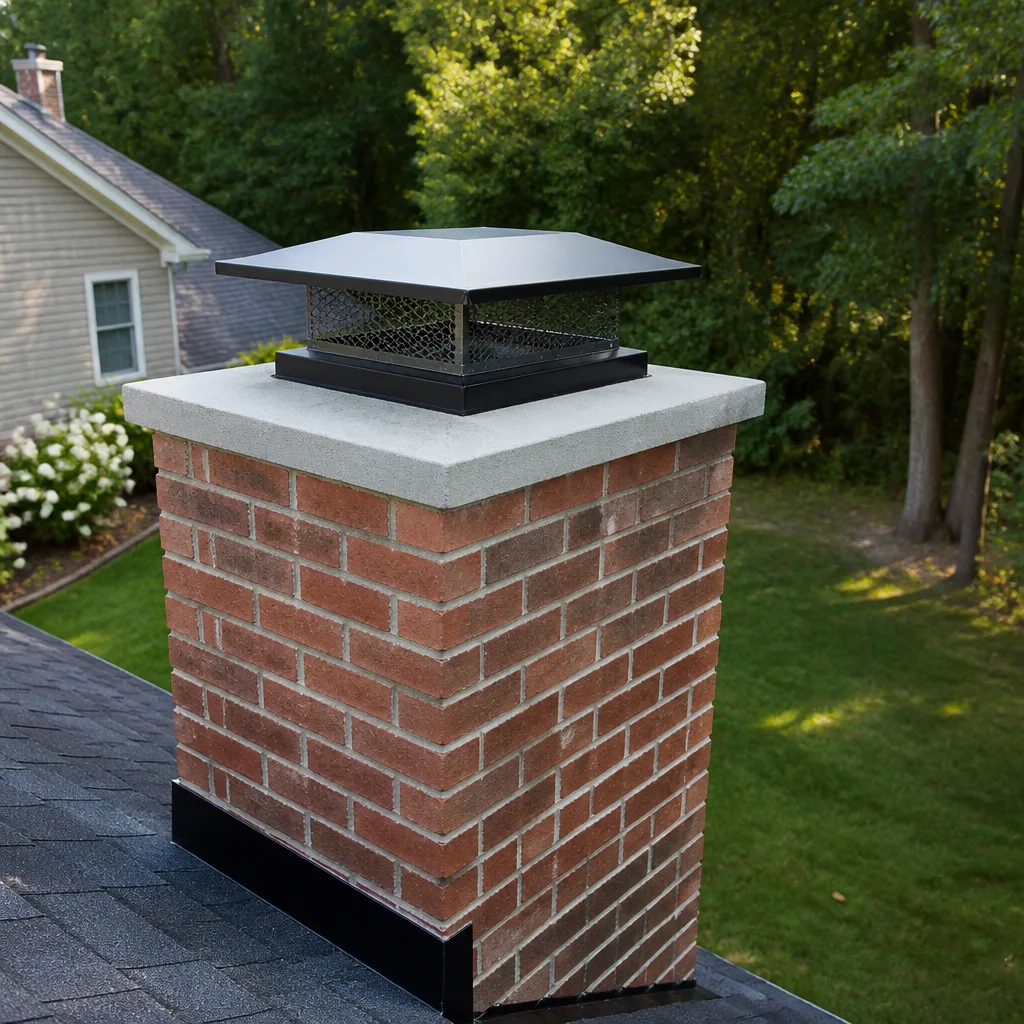 Caps & crowns
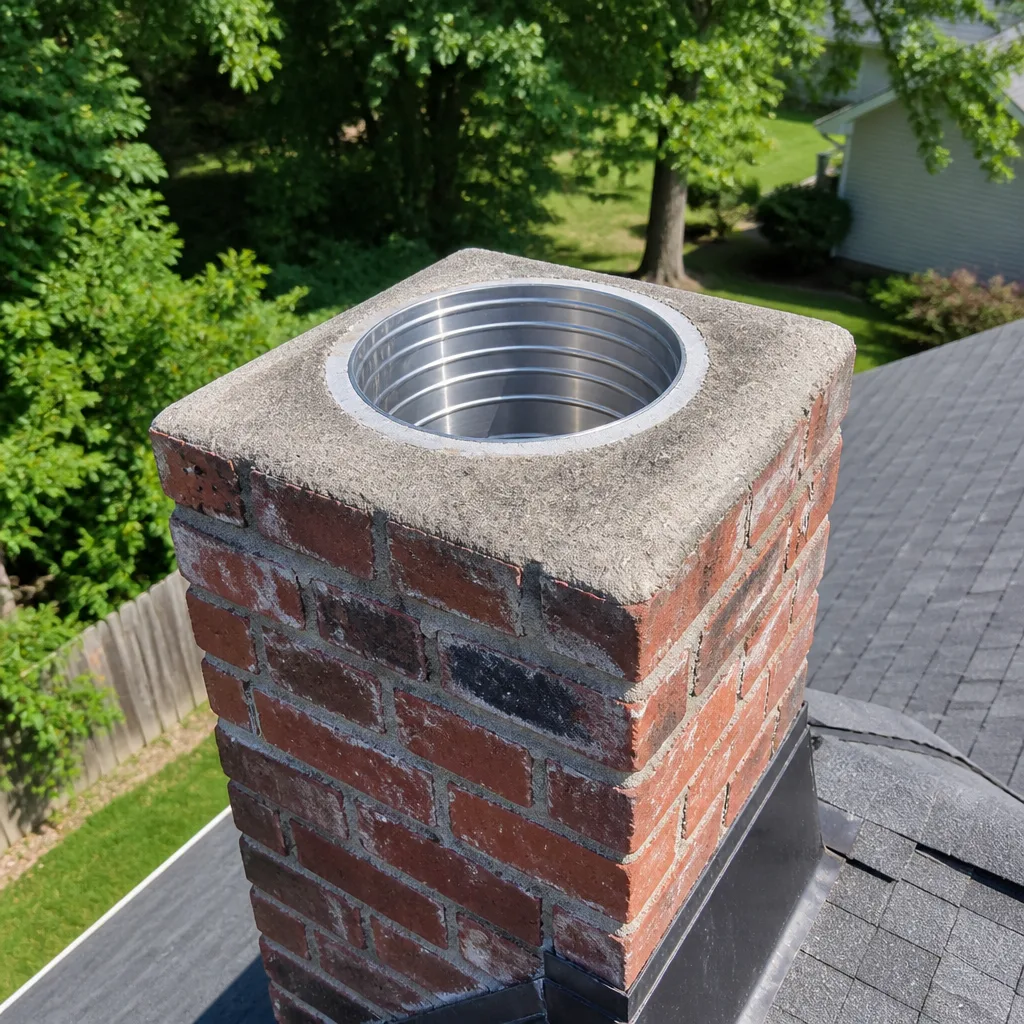 Flue relining
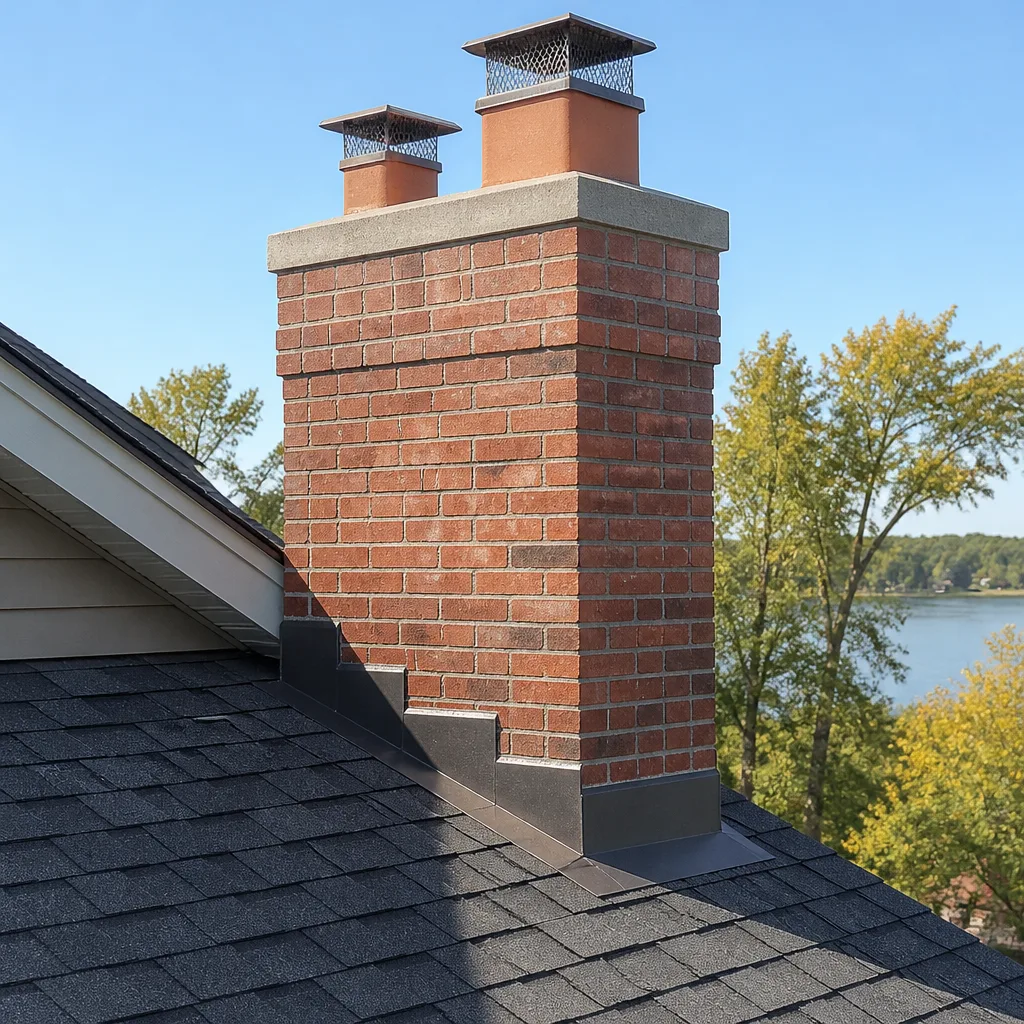 Masonry repair
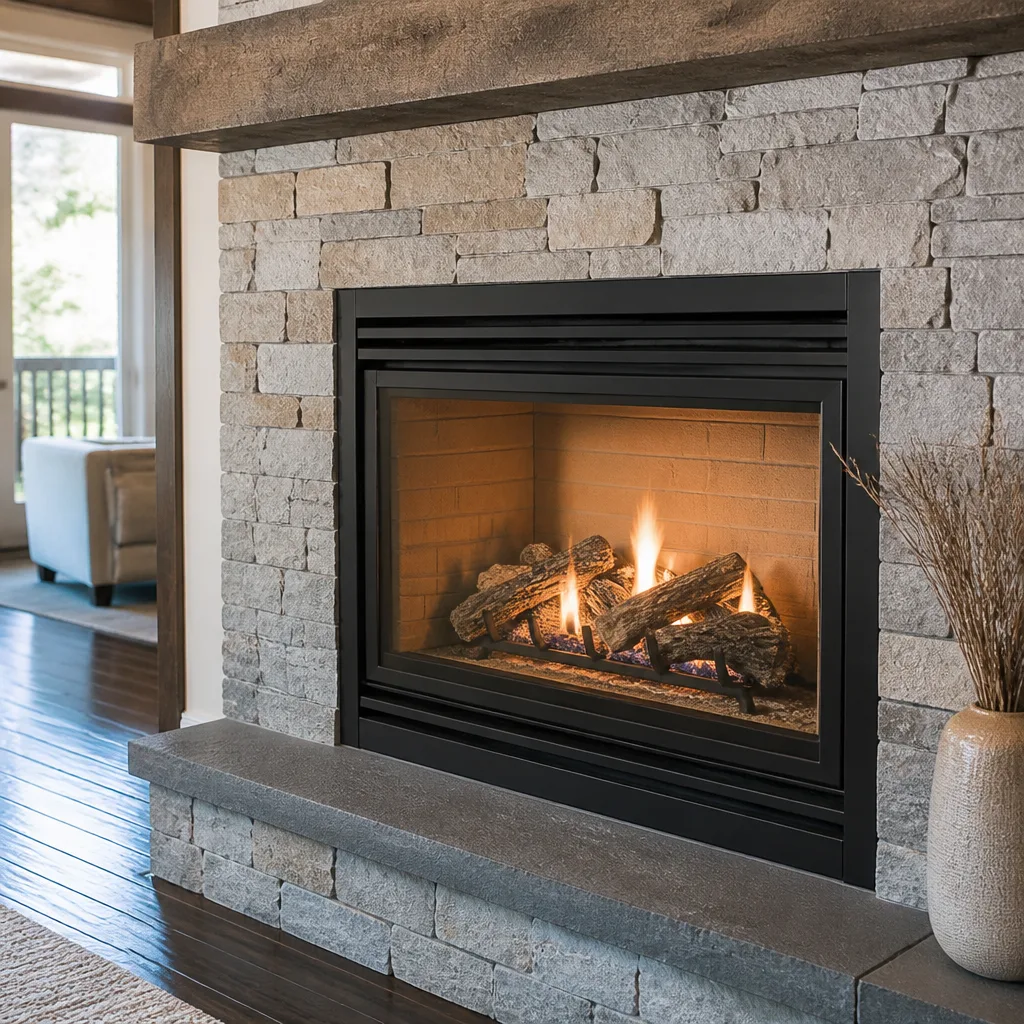 Gas fireplace service
Level 1 sweep and inspection to the NFPA 211 annual standard - flue, crown, cap, and flashing checked and photographed
Chimney sweep logs do not sweep chimneys. They loosen some creosote - which then falls where a brush and vacuum still have to collect it.
DIY vs Professional Chimney Cleaning: The West Anaheim Homeowner’s Decision Guide
You can buy the same brush a chimney sweep uses for around $40 online. What you can’t buy at that price is the ability to recognize a Stage 2 creosote deposit that has to be treated chemically before any brush touches it, or a cracked tile liner that makes the whole cleaning beside the point. That’s the real line between DIY and professional chimney work, and it has nothing to do with whether you’re capable of pushing a brush up a flue. It’s about whether you can tell what you’re looking at and whether the tools you own can actually fix it. This guide walks through the split by task, so you know what you can reasonably handle at home in West Anaheim and what genuinely needs a trained eye and professional equipment.
Quick Answer
In West Anaheim, a homeowner can safely handle ongoing maintenance between visits: clearing firebox ash, checking the damper by hand, and looking at the exterior cap and crown. Everything past that, which means rotary power sweeping for glazed creosote, camera inspection of the liner, and any resurfacing or repair, needs professional equipment and a trained eye. A brush on a rod cleans the visible flue; it doesn’t inspect the system, and it can’t treat the creosote that’s already hardened into a glassy layer.
Styles & brands we work with
- Sweep & inspection
- Caps & crowns
- Flue relining
- Masonry repair
- Gas fireplace service
Table of Contents
- The DIY versus pro split by task, not principle
- What you can legitimately maintain between professional visits
- Tasks that require professional equipment
- The liability and insurance dimension homeowners overlook
- Why a flue that “looks clean” can still have a structural problem
- A realistic cost-benefit comparison for a low-use Southern California fireplace
- Common mistakes to avoid
- When to call a professional
- Frequently asked questions
The DIY versus pro split by task, not principle
The internet argument about chimney cleaning usually frames it as a capability question. Can a homeowner clean a chimney? Physically, yes. The flue is a vertical tube; a brush on a flexible rod goes up and comes back down. But that framing misses what a cleaning is supposed to accomplish. Professional sweeping isn’t just scrubbing. It’s removing creosote, confirming the flue is structurally sound enough to keep using, and giving the homeowner a clear read on whether the system is safe to fire. If those three things don’t happen, the brushwork is theater.
So we draw the line by task. Some jobs are simple enough to handle at home with basic tools. Others need equipment and reference points a homeowner won’t have on hand. Here’s the split, roughly in order of complexity:
- Firebox ash removal and grate cleanup – homeowner territory. Cold ashes, a metal scoop, a metal bucket. No special skill required.
- Damper open/close check by hand – homeowner territory. The damper should move without sticking, with the plate visible and sealing when closed. If it’s stiff or won’t seat, stop and get it looked at.
- Exterior cap and crown visual check – homeowner territory, with binoculars from the ground. You’re looking for missing cap screens, rust-through, and obvious cracks in the crown wash.
- Standard flue brushing – homeowner can, but a professional does it faster, cleaner, and with a camera to check what came off and what didn’t.
- Rotary power sweeping – professional territory. This is the only reliable way to remove glazed, hardened creosote at the flue walls.
- Liner camera inspection – professional territory. You can’t see past the first few feet with a flashlight.
- Smoke chamber resurfacing and liner restoration – professional territory without exception. This is rebuilt with specialty products like HeatShield or Cerfractory-type materials, and it’s not a homeowner task.
Most West Anaheim homes have a fireplace that gets used a few dozen times a year, if that. That low-use pattern is exactly why homeowners get complacent, and exactly why a real cleaning plus a structural read matters once a year. The brushwork is the easy part. The judgment is what you’re paying for.
What you can legitimately maintain between professional visits
If you’re going to own a fireplace, own the small stuff. The tasks below are safe, useful, and they extend the life of the system between professional sweeps. None of them require a permit, a power tool, or a ladder.
- Empty the firebox of cold ash. Wait at least 48 hours after the last burn before you touch the ash, and use a metal scoop into a metal container with a lid. Ash holds heat far longer than people expect. Store the container outside, away from the house, until it’s fully cold.
- Check the damper by hand. Open and close it with the firebox cold. The plate should swing or rotate freely and seat flush when shut. A damper that sticks or hangs slightly open is letting heated room air go straight up the flue when the fireplace isn’t in use.
- Inspect the exterior cap and crown from the ground. A pair of binoculars is enough. Look for a missing or torn spark screen, rust-through on the cap body, and visible cracks in the crown around the flue. A cap that’s come loose from its mount is a real problem; schedule it.
- Look at the firebrick in the firebox. Hairline surface cracks in firebrick are normal. Cracks that go all the way through, shifting, or missing mortar joints are not. Note what you see and pass it to the sweep.
- Keep a log of burns. A simple note on how many fires you’ve burned this season is a more useful scheduling tool than a calendar reminder. Chimney cleaning intervals are set by creosote accumulation, which comes from burn volume, fuel quality, and how hot the fires run.
That’s the homeowner list. Note that none of these tasks involve reaching into the flue above the damper, climbing onto the roof, or handling anything you can’t see. Anything past the firebox and the visible damper is a professional scope, in West Anaheim or anywhere.
Tasks that require professional equipment
Three specific jobs separate a real chimney sweep from a homeowner with a brush. Each one needs tools you won’t find at a hardware store, and each one answers a question the brush alone can’t.
Rotary power sweeping for glazed creosote. Stage 3 creosote is the hard, glassy, tar-like deposit that forms when fires run too cool or the wood is green. A hand brush skates right over it. Removing it takes a rotary whip or chain driven by a power head, sometimes paired with a chemical creosote remover applied before the sweep. Done wrong, a rotary sweep can crack a tile liner. Done right, it lifts the glazing and leaves the liner intact. That’s trade work, not a Saturday project.
Liner camera inspection. The flue is a long dark tube with offsets, tile joints, and a smoke shelf at the bottom. A flashlight from the firebox shows you the first three or four feet. A camera on a reel shows the whole run, including the tile joints where cracks and gaps start. This is where we catch most of the liner issues we see in West Anaheim, because the failures show up at the joints before they show up anywhere else.
Smoke chamber resurfacing. The smoke chamber sits above the damper and below the flue, and it’s the parging shelf where smoke slows down and creosote deposits. Over time the original parging breaks down. A sweeping-only company will note the issue and hand you off to a mason. A full-system chimney specialist resurfaces the smoke chamber directly with products like HeatShield or similar refractory materials, so the chamber is sealed and the smoke path is smooth again. We handle this in-house, which means you don’t end up coordinating a sweep and a separate masonry contractor.
The through-line here is equipment. A rotary power head, a flue camera with a reel, and specialty refractory products are professional-grade tools. When you hear a chimney company talking about product lines like HeatShield, Gelco, Olympia Chimney, or Famco, that’s usually a signal they’re doing more than sweeping. They’re set up for restoration and repair, which is what a full chimney system actually needs.
The liability and insurance dimension homeowners overlook
Here’s the part most West Anaheim homeowners don’t think about until it matters. If a chimney fire happens, the first question your insurer’s adjuster will ask is: when was this chimney last cleaned and inspected, and by whom? If the answer is “I brush it out myself once a year,” the claim doesn’t automatically fail, but the burden of proof shifts hard onto you. You’ll need to demonstrate the chimney was maintained to a reasonable standard. A brush doesn’t generate a record; a professional sweep does.
In our experience, the insurance angle plays out in a few specific ways:
- Documentation. A professional sweep leaves a written record with a date, findings, and what was done. That’s the evidence your insurer wants. A homeowner with no paperwork has no record of regular maintenance.
- Standard of care. Most homeowners policies are written with the expectation of reasonable maintenance. A flue that fails from neglect, whether it was brushed or not, can become a coverage dispute. A swept and inspected flue has a much cleaner line back to ordinary use.
- Undetected defects. If a crack in the liner or a gap at the smoke chamber was missed by a DIY cleaning, the fire that starts through that defect looks to the insurer like a maintenance failure. A camera inspection is how you prove the chimney was structurally sound when it was last serviced.
- Appraisal and sale. If you ever sell the home, a formal inspection from a chimney specialist carries weight with both the buyer’s inspector and the buyer’s insurer. A homeowner’s own notes about brushing the flue don’t carry that weight.
None of this is a scare tactic. It’s the logic of insurance: coverage follows documentation and reasonable care. If you own a fireplace and you’re brushing it yourself, the simplest fix is a professional sweep and inspection once a year, which gives you a dated record and a structural read you can hand to your insurer if you ever need to.
Why a flue that “looks clean” can still have a structural problem
This is the most common misunderstanding we run into. Cleaning and inspection are two different jobs. Cleaning removes deposits. Inspection assesses the system. A flue can come out of a brush looking spotless on camera and still have a crack at the fourth tile joint, a gap at the smoke chamber, or a cap that’s no longer sealed to its mount. The brush never touched any of those.
Here’s how the two jobs differ in scope:
- The brush sees the flue walls. It scrubs creosote from the interior tile surface. It does not evaluate the joints, the crown, the cap, or the smoke chamber.
- The camera sees the whole flue. A flue camera on a reel rolls through the entire run and shows the tile joints, the offset, the smoke shelf, and the termination point. That’s the read that catches structural issues early.
- The exterior inspection sees the roof-end components. The cap, crown, flashing, and top of the flue. Cracks, gaps, and loose components here go unnoticed in a flue-only cleaning.
A flue cleaning without an inspection tells you what came off the walls. It tells you nothing about whether the flue is safe to keep firing. That’s why we inspect before we recommend. If you want a clear safety read on your system, a formal chimney sweep with a camera inspection attached is the standard, and standalone inspection is available for real estate, insurance, and peace-of-mind purposes.
The structural failures we catch most in West Anaheim homes are quiet ones. A hairline crack in a tile liner hidden behind a clean flue wall. A crown with a crack that has let moisture into the chimney structure. A rusted cap screen that’s letting birds and debris in. None of these are obvious from the firebox. All of them are inexpensive to fix once caught early, and expensive once they’ve been ignored for a season or two.
A realistic cost-benefit comparison for a low-use Southern California fireplace
Let’s put the dollars and time side by side honestly. A professional chimney sweep is a recurring cost. A DIY sweep is a one-time tool purchase and an hour or two of your time each season. On paper that sounds cheap. In practice, the math looks different once you count the equipment, the time, and what you can’t do with a brush.
Here’s the comparison that matters for a typical West Anaheim fireplace:
- Professional annual sweep: The recurring cost is a per-job professional service, set by a written estimate. It includes the sweep, a camera inspection, and a written record of what was found. The estimate is free before any work is booked.
- DIY brush and rod: Modest one-time cost, but it only handles the standard brush sweep. It doesn’t remove glazed creosote, and it doesn’t inspect anything.
- Rotary power sweep, if you needed one: Not a realistic DIY purchase for one fireplace. The tool is expensive and a wrong technique can crack a tile liner.
- Camera inspection equipment: Not a realistic DIY purchase. A camera on a reel is a trade tool that gets used every week.
- Smoke chamber resurfacing and liner restoration: Specialty refractory products, not a homeowner job under any circumstances.
The honest read for a low-use West Anaheim fireplace: an annual professional sweep and inspection is the low-cost option, not the expensive one. Because the system gets used a few dozen times a year, the creosote layer stays thin, and thin layers are cheap to remove. What’s expensive is catching a problem two seasons after a brush-only sweep didn’t see it. A failed liner or a smoke chamber that needs resurfacing is a much bigger bill than a yearly sweep, and both are preventable when the system is inspected every year.
There’s also the matter of who has the reference points. A professional sweep looks at dozens of chimneys a month and knows what a normal flue looks like in this climate. You look at one chimney a year and don’t. That asymmetry is the reason a sweep is worth the annual cost.
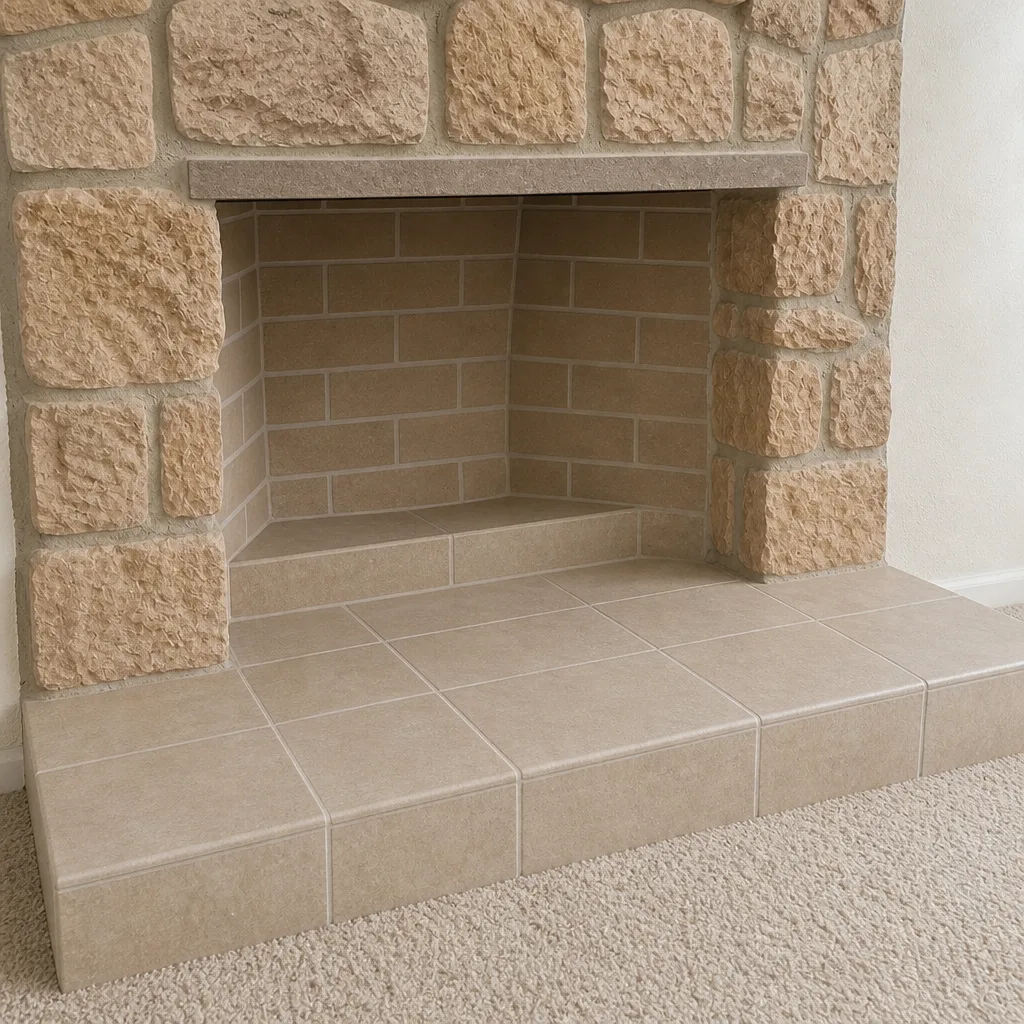
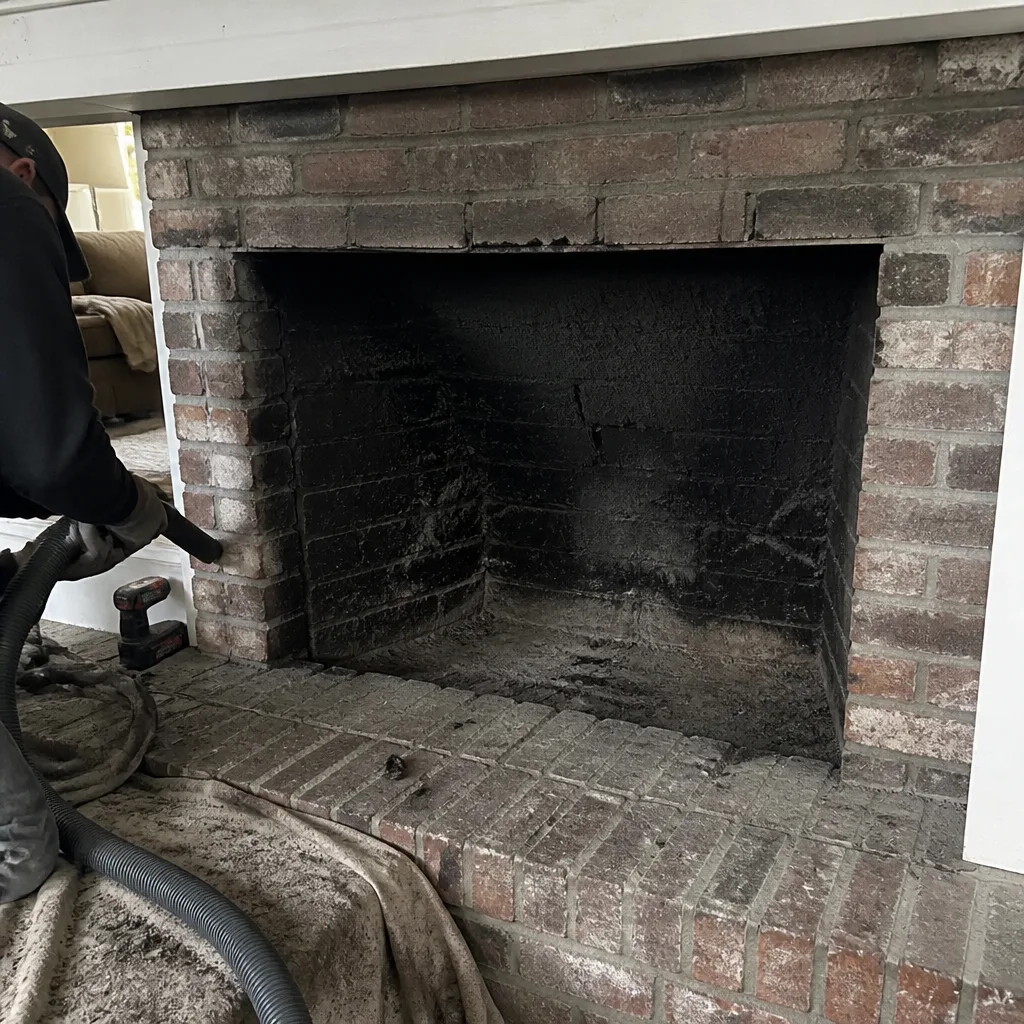
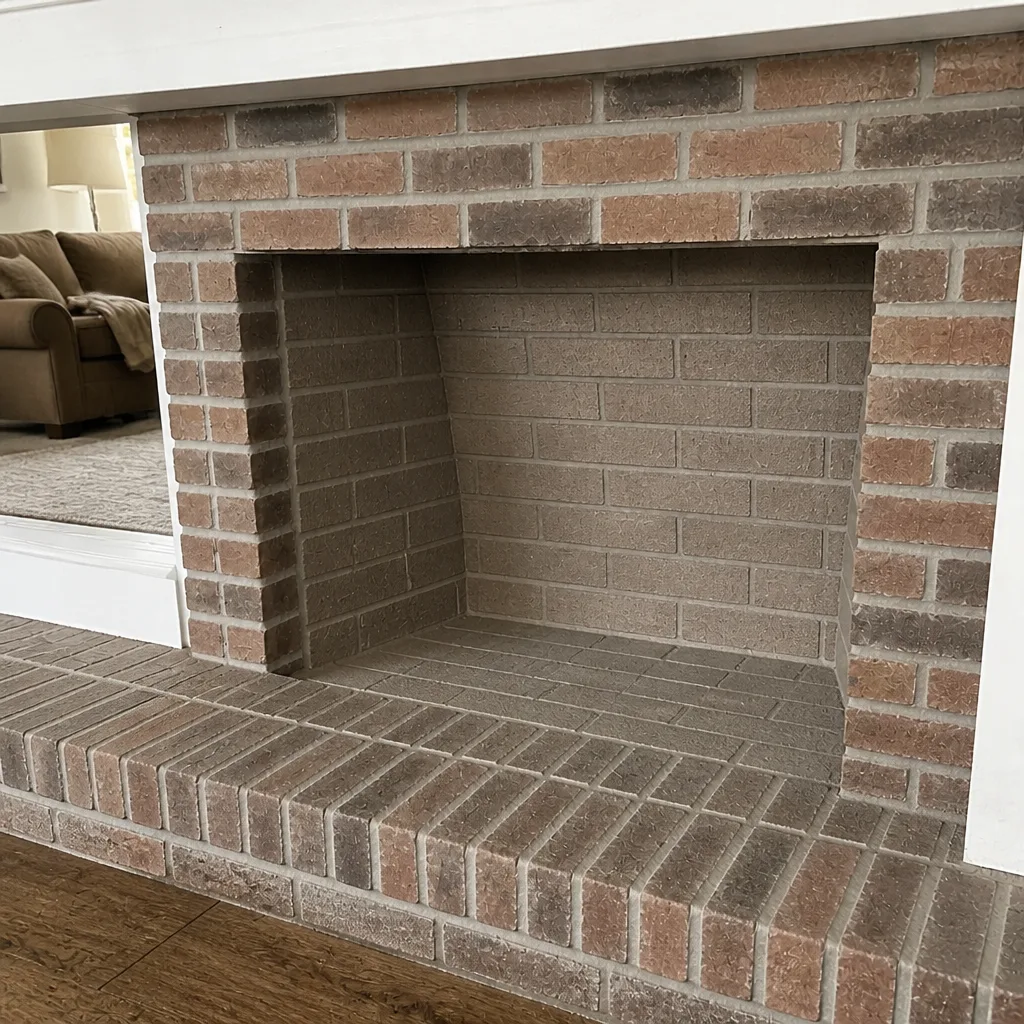
See the difference
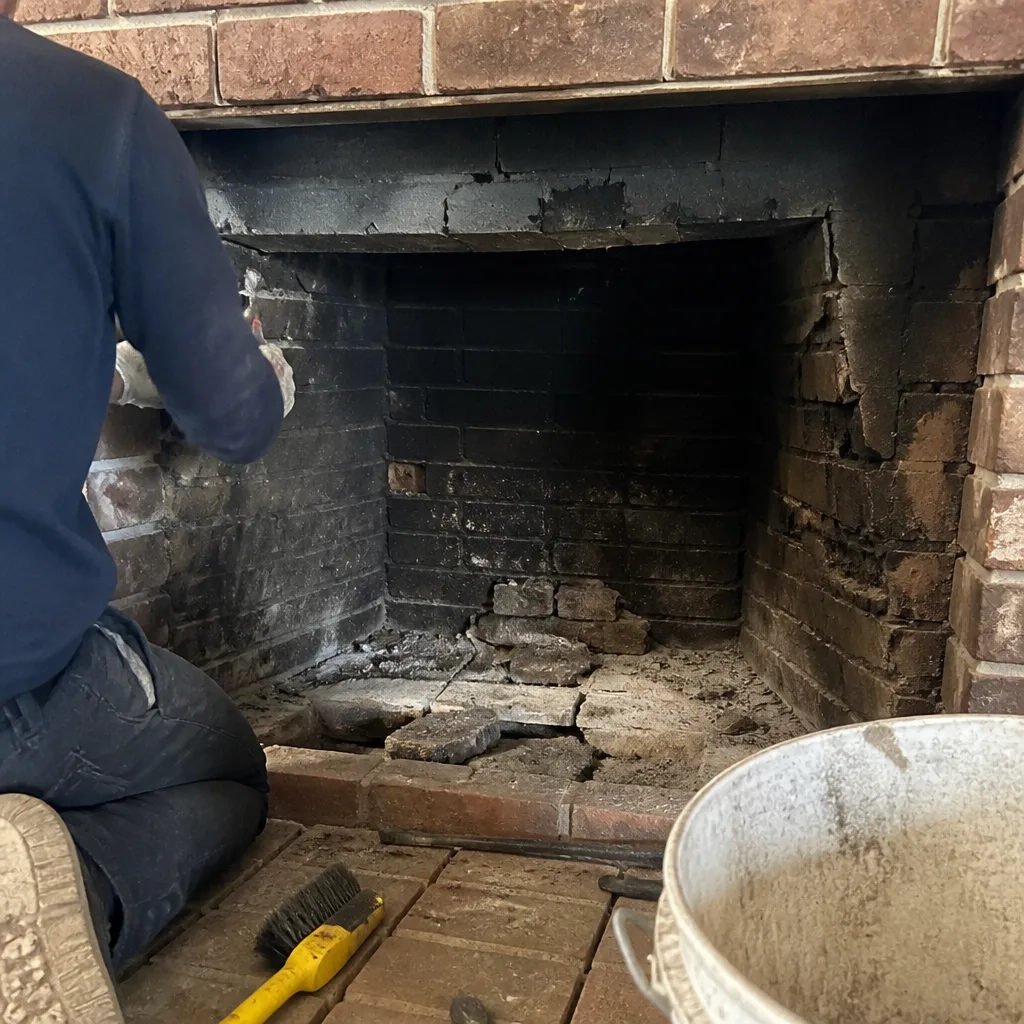 Before
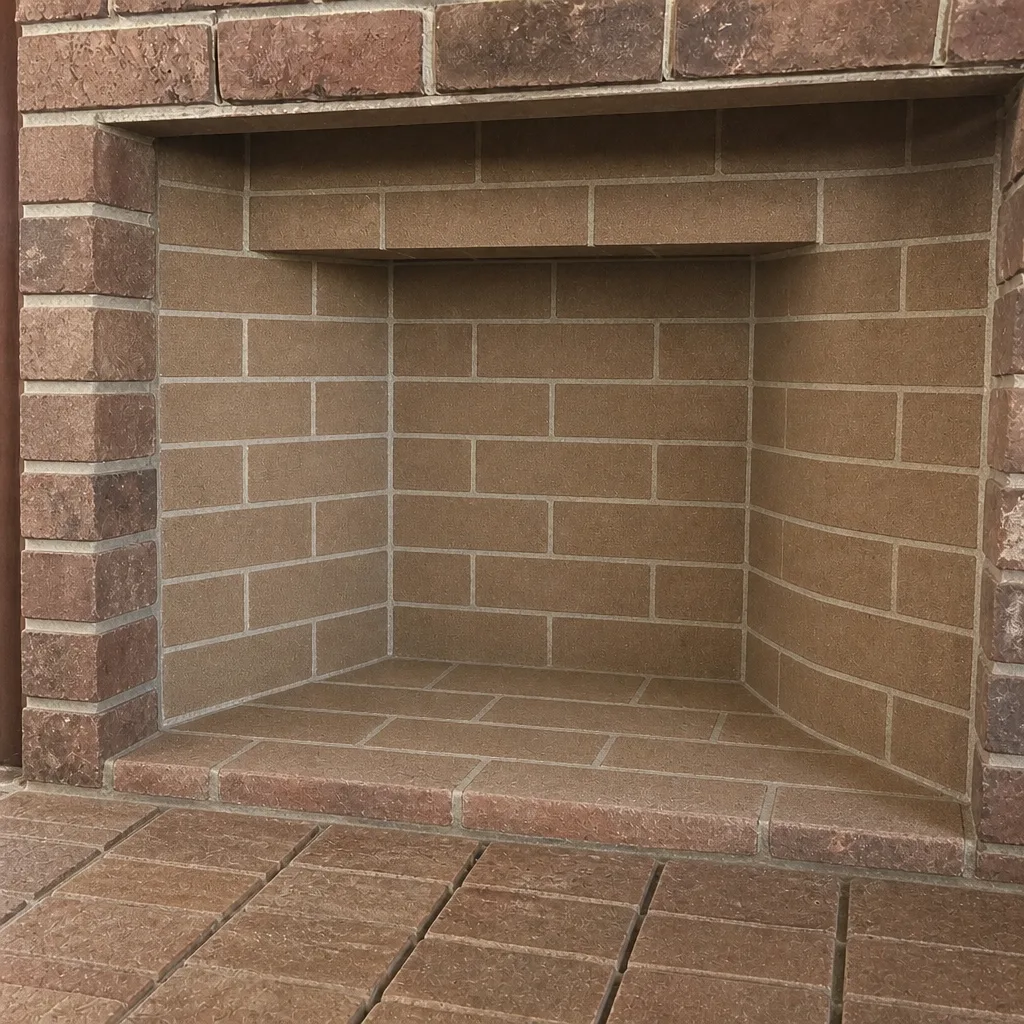 After
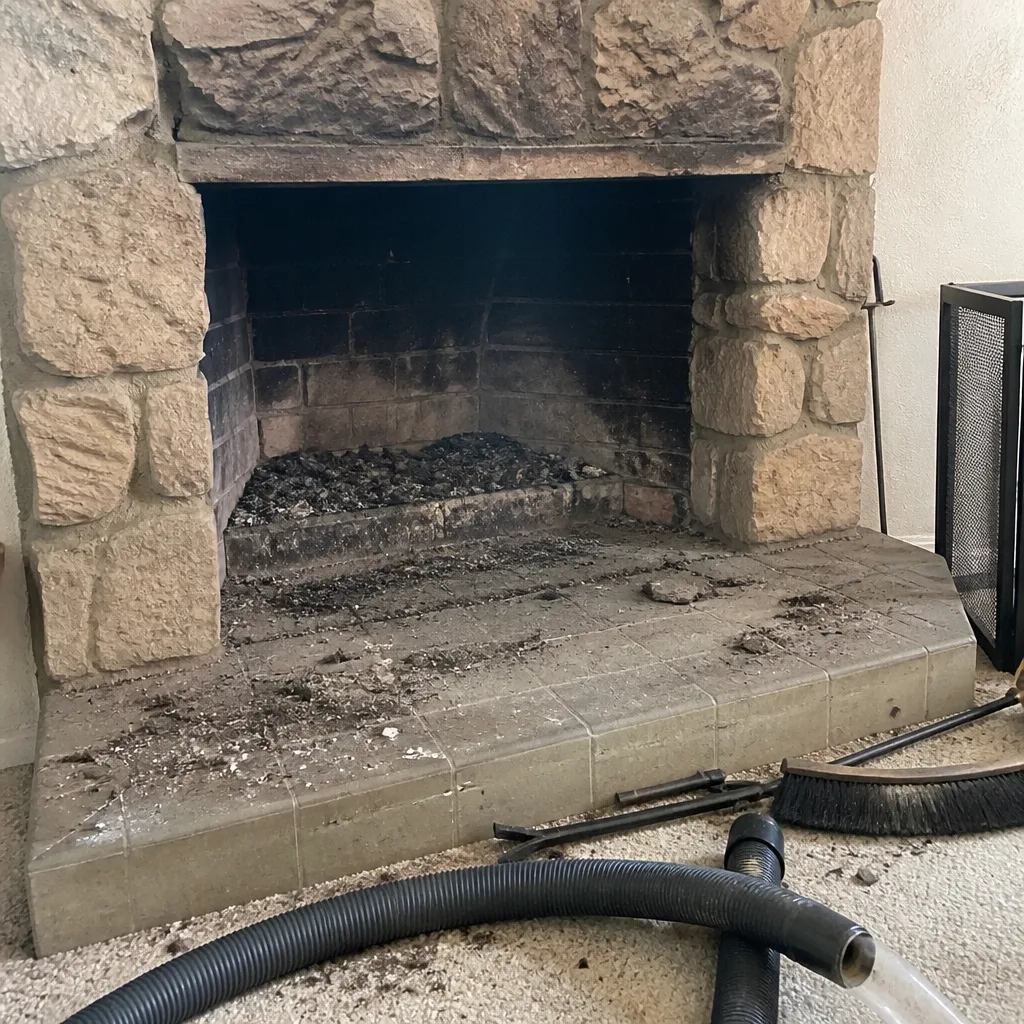 Before
 After
 Before
 After
How we approach a West Anaheim chimney job, step by step
If you’re weighing DIY against professional, it helps to know what a professional job actually looks like from the inside. Here’s the sequence we follow in West Anaheim and the surrounding neighborhoods around Beach Boulevard, Lincoln Avenue, and the older housing stock near Brookhurst and Katella.
- 1
Walk-through and system check. We look at the firebox, damper, hearth, and cap before anything goes up the flue. This is where we look at what the homeowner has noticed and what they haven’t.
- 2
Drop cloths and setup. The firebox and hearth get covered. A shop vac with a HEPA filter runs during the sweep so the room stays clean.
- 3
Sweep the flue. Brush and rod for standard deposits, rotary power sweep if the creosote is glazed or heavy. We pick the tool based on what’s on the walls, not the other way around.
- 4
Camera inspection of the liner. Full reel through the flue. We look at every tile joint, the smoke shelf, and the crown from the inside. Then we look at the cap and crown from the exterior.
- 5
Photo report and findings. We show the customer the camera footage and the photos with the findings written up. What we recommend is tied to what we saw. If it can safely wait, we say so.
- 6
Repairs or resurfacing, if needed. Cap and crown, liner work with HeatShield or DuraFlex, fireplace repair, or chimney repair. Because we carry the full set of services, the job doesn’t get bounced to a second contractor.
That last point matters more than it sounds. A sweep-only company that finds a cracked cap has to hand the customer off to a roofer or mason and the job stalls. A full-system chimney specialist closes the loop on sweep, cap, crown, liner, and repair with one call and one written estimate.
Common Mistakes to Avoid
- Assuming a clean-looking flue is a safe flue. A brushed flue still needs a camera inspection to check the tile joints above the firebox. We catch most liner issues in the joints, where a brush never touches.
- Burning green or unseasoned wood. Wet wood burns cool, which is exactly the condition that produces glazed Stage 3 creosote. If your wood was cut this year, it’s not ready for your fireplace.
- Skipping the cap check. The cap and crown are the first things to fail and the easiest to inspect from the ground. A rusted cap screen and a cracked crown are both cheap to fix early and expensive to fix late.
- Treating a firebox crack as cosmetic. Surface hairlines are fine. Through-cracks and shifting firebrick are not. Pass what you see to a professional before the next burn.
- Waiting for a chimney fire to schedule a sweep. A chimney fire is the outcome, not the trigger. The time to book a sweep is when the season is changing, before burning starts again.
- Going without a written record. An annual sweep with a written report is your best protection if you ever file a fire-related claim. A DIY sweep leaves no paperwork at all.
- Buying a rotary tool for one fireplace. Rotary sweeping is a skill as much as a tool, and a wrong pass can crack the liner. That’s a job to hand to a trained chimney technician, not a one-season purchase.
When to Call a Professional
Call a professional with any of the following: a glazed, glassy layer on the flue walls, a smell of creosote in the house even when the fireplace is cold, a damper that won’t seat, visible cracking or shifting in the firebox firebrick, a loose or rusted cap, a cracked crown, or any sign of a liner crack at a tile joint. Also call if it’s been more than a year since the last sweep and inspection, or if you’re buying or selling a home with a fireplace and need a formal inspection for the file. The local pro is licensed and insured as their state requires, and our technicians have up to 15 years of experience with the full system, not just the brush. Chimney Sweep West Anaheim offers free estimates in West Anaheim. Call (877) 792-7386 for an exact quote, or reach out for a formal inspection before you close on the house.
Frequently Asked Questions
Professional chimney cleaning in West Anaheim is priced per job by written estimate, and the estimate is free before any work is booked. The number depends on whether the flue needs a standard brush sweep or a rotary power sweep for glazed creosote, whether a camera inspection is part of the visit, and whether the cap, crown, or firebox need any work. For a low-use fireplace with a normal creosote layer, the standard sweep and inspection is the low-cost scenario. Request the written estimate and it will hold as the price for the job. Call (877) 792-7386 for an exact quote, or reach out to book the estimate.
You can safely clear firebox ash, check the damper by hand, and inspect the exterior cap and crown from the ground. What you shouldn’t do yourself is sweep the flue above the damper or attempt to remove glazed creosote. The sweep above the damper is where a chimney fire risk actually lives, and the glazed creosote needs a rotary power sweep and chemical treatment to remove safely. If you’re reaching up past the damper, that’s professional scope. Call (877) 792-7386 if you want a real read on your system, and we’ll tell you what’s appropriate to handle between visits.
A fireplace that sees regular use through the season should be swept and inspected once a year, and a low-use fireplace still needs an annual visit because the inspection is as important as the sweep. The sweep clears what’s on the walls; the inspection checks the liner, smoke chamber, cap, and crown. In West Anaheim, the annual sweep is best booked before the burning season, so the system is ready before fires start up again. Call (877) 792-7386 to get on the schedule.
That depends entirely on what the camera shows at the tile joints, and we can’t answer it honestly without running the reel through the flue. A liner with a hairline crack and no shifting may be a candidate for resurfacing with HeatShield rather than replacement. A liner with gaps or missing pieces is a replacement job with DuraFlex or a similar flexible liner. What we won’t do is recommend liner work without camera evidence you can see for yourself. If the liner can safely wait, we’ll say so. Call (877) 792-7386 for an inspection and a written report you can act on.
The flue wall gets brushed, but the glazed creosote stays, the tile joints don’t get inspected, and the smoke chamber doesn’t get checked. Those are the three places where problems develop in West Anaheim homes, and they’re invisible from the firebox. That leaves your system with an unknown safety read. Call (877) 792-7386 to book a sweep with a camera inspection, so you know the state of the system and you have a written record for your insurer.
We handle the cap, crown, and repair work as part of the same service. That’s one of the reasons we work with the full set of professional-grade brands: cap and crown, liner work, fireplace repair, and full chimney repair are all handled in-house. A formal fireplace repair and chimney cap & crown work is scheduled with the same visit as the sweep when it makes sense. One call covers sweep, cap, crown, liner, and repair. Call (877) 792-7386 for a free estimate on the combined job.
The Bottom Line
The DIY versus professional question isn’t about whether a homeowner can physically brush a flue. It’s about what a cleaning is supposed to accomplish and whether you have the tools and reference points to know if it worked. Clearing firebox ash, checking the damper, and inspecting the exterior cap from the ground are all safe homeowner tasks. Rotary power sweeping for glazed creosote, liner camera inspection, and smoke chamber resurfacing need a trained technician and professional-grade equipment. For a low-use West Anaheim fireplace, the annual professional sweep and inspection is the low-cost option, and it leaves you with a written record you can hand your insurer. The brush is the easy part. The judgment is what you’re paying for, and it’s what keeps a chimney safe to fire. Book an annual chimney sweep in West Anaheim and get the camera inspection with it, so you know the whole system, not just the flue wall.
Before the burning season is the right time to schedule a sweep and inspection, so the system is ready when fires start up again. Call (877) 792-7386. We answer 24/7. Fast dispatch from 7am to 7pm, Sunday through Friday. Estimates are free, and the written estimate sets the final price. If something on your Chimney Sweep West Anaheim service comes up short, we’ll show you the camera evidence before we recommend a repair, and we’ll tell you plainly when the work can safely wait.
Written by the team at Chimney Sweep West Anaheim.